Pump.fun top wallets: most of $752M in gains can't be copied
Bitquery found only 26% of $752.5M in big Pump.fun wallet gains looked like normal trading. Most came from transfers or wash loops copy traders can't follow.
CryptoGroup Newsroom · · 3 min read
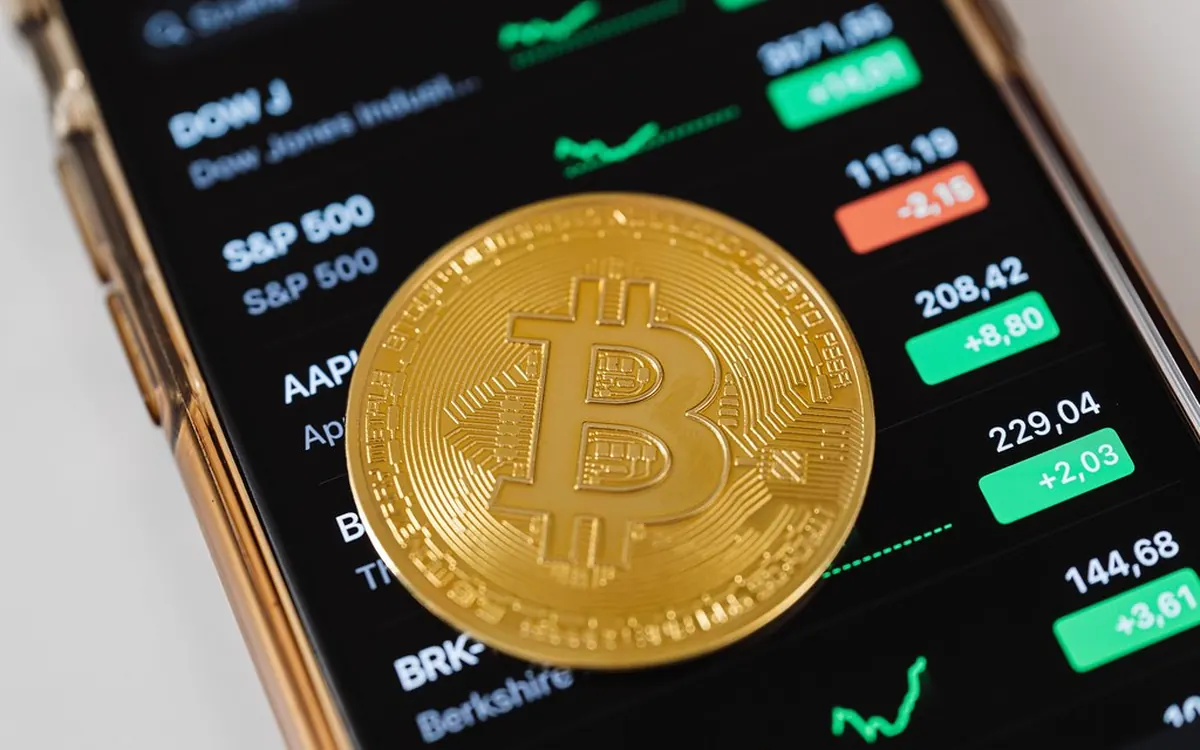
A leaderboard shows what a wallet sold, not what it cost to get there. For copy traders, that missing half is the whole trade.
Only about a quarter of the biggest memecoin wallet profits on Pump.fun looked like trading that someone else could actually copy, according to a 22 October study by blockchain data firm Bitquery, summarised by CryptoSlate. The rest came from tokens that arrived by transfer, from wallets linked to token creators or from apparent wash trading, none of which a copy-trading bot can see in time to follow.
What Bitquery measured
- Sample: 3,170 wallet-token positions with reported gains of at least $100,000 between October 2025 and August 2026, worth $752.5 million in total.
- Passed the checks: 26% of those gains looked like conventional market trading.
- Transferred tokens: 51% involved wallets selling tokens they had received from other addresses, so there was no visible purchase to copy. Of 1,579 such positions, 1,104 traced back to addresses linked to the token's creator.
- Coordinated patterns: another 13% showed signs of coordination; 10% could not be classified.
- Wash loops at the top: 15 of the 25 largest gains met Bitquery's criteria for wash loops. In one Arena trade, a wallet spent $4,223 and recorded about $4.92 million in sales, while a wallet it had funded with more than $1.4 million in SOL supplied 99% of the buying.
The trend is getting worse: transferred-token sales made up seven of every ten large wins in August, after staying below 100 cases a month until July.
Our take: the leaderboard is the product, not the proof
None of this means every winning wallet is a scam. Bitquery itself notes that people move tokens between their own wallets, so a missing purchase does not prove manipulation. But wallet trackers usually calculate profit as sales minus recorded purchases, and a wallet that received its tokens for free will look like a genius. Platforms such as GMGN already flag "Didn't buy" and "Sold > Bought" wallets; those labels deserve far more attention than the profit column.
The practical point is simple. Copy trading only works if you can enter at roughly the same price as the wallet you follow, and in more than half of these cases that entry never happened on the open market. Before mirroring anyone, read our explainer on how crypto copy trading works and where it fails, and keep the usual memecoin and rug pull warnings in mind. Pump.fun, meanwhile, keeps adding riskier products, such as its new perpetual futures through Hyperliquid.
This article is for information only and is not financial advice. Crypto assets are volatile; do your own research. Read our disclaimer
More from Altcoins
View all →Read next
Crypto week ahead: Fed, PCE, ECB, BoJ and $11B BTC expiry
A Fed decision, US inflation data, ECB and Bank of Japan meetings and a $10.97B bitcoin options expiry on Deribit all land between 28 and 30 October.
What is crypto copy trading? How it works and the risks
Crypto copy trading mirrors another trader's positions automatically. How exchange and on-chain copy trading work, the costs, how to vet a trader and the risks.

ECB's Cipollone: digital euro is about payments sovereignty
ECB board member Piero Cipollone says the digital euro would cut Europe's reliance on foreign payment firms. Staff pilot in 2027, launch as early as 2029.