What is a meme coin? How memecoins work and why they crash
Meme coins explained: what they are, how Dogecoin started the trend, how launchpads create tokens in minutes, why prices spike and crash, and how to spot a rug pull.
CryptoGroup Newsroom · · 6 min read
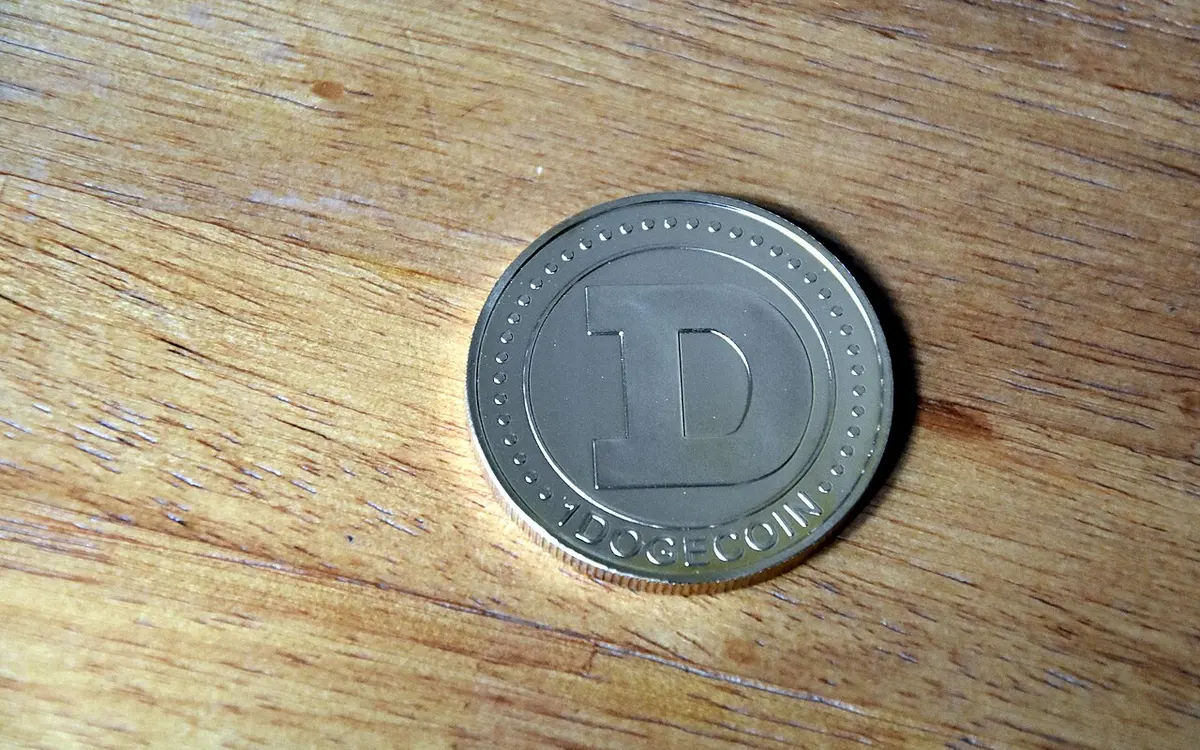
A meme coin (or memecoin) is a cryptocurrency created around an internet joke, an animal, a celebrity or a viral moment rather than a product or service. Most have no business behind them: their price depends on how many people are talking about them and buying in. That makes meme coins one of the most popular and the most dangerous corners of crypto. This guide explains how they work, why they swing so wildly and how to check one before you risk any money. It is educational, not investment advice.
Where meme coins came from
The first well-known meme coin, Dogecoin, was launched in December 2013 by software engineers Billy Markus and Jackson Palmer as a parody of the crypto craze, using the "Doge" Shiba Inu meme as its mascot. It runs on its own blockchain, has no maximum supply and adds new coins every year, which made it cheap to tip and send. Despite starting as a joke, it built a large community and still ranks among the biggest coins by market value; it now even has a developer and payments arm, Dogecoin Labs.
Later waves looked different. Shiba Inu (SHIB), launched in 2020 by an anonymous founder, was an Ethereum token rather than its own chain. From 2023 onwards, frog-themed PEPE and thousands of Solana tokens followed. In January 2024 the Solana launchpad Pump.fun made it possible for anyone to create a token in a couple of minutes, and the number of new meme coins exploded. Politicians joined in too: Donald Trump's TRUMP token launched days before his January 2025 inauguration, and Argentina's President Javier Milei promoted LIBRA in February 2025, which crashed within hours. A court dismissed the LIBRA case against Milei in October 2026.
How a meme coin is made
Most meme coins are not separate blockchains. They are tokens issued on an existing network, usually as an ERC-20 token on Ethereum (or a layer 2 such as Base) or an SPL token on Solana. Creating one takes a name, a ticker, an image and a supply number.
- Launchpads such as Pump.fun sell new tokens on a bonding curve: the price rises automatically as people buy. When demand passes a set level, the token "graduates" to a decentralized exchange.
- On a DEX, the token trades against a liquidity pool (for example token/SOL or token/ETH). Our explainer on what DeFi is covers how pools and swaps work.
- If the coin gets popular, centralized exchanges may list it, which brings in far more buyers.
There is usually no whitepaper, roadmap or team obligation. Some projects later add "utility" such as games or NFTs, but the price rarely depends on it.
Why meme coin prices spike and crash
A share has earnings and a bond pays interest; a meme coin has neither. Its value comes from attention: posts on X, Telegram groups, influencer promotions, celebrity mentions, exchange listings and news events. When attention rises, buyers rush in and the price can multiply in hours. When it fades, there is nothing to support the price.
Several features make the swings worse:
- Thin liquidity: a small pool means each large trade moves the price a lot.
- Concentrated supply: if a few wallets hold most tokens, their selling can crash the price.
- Snipers and bots: automated buyers often grab tokens in the first seconds of a launch and sell into the first wave of retail demand.
- Leverage: perpetual futures on meme coins, now offered by launchpads and DEXs, magnify both gains and liquidations.
Meme coins vs utility tokens
| Meme coin | Utility / platform token | |
|---|---|---|
| Purpose | Community, joke or trend | Pays fees, secures a network or runs an app |
| What drives price | Attention and sentiment | Usage plus sentiment |
| Team and roadmap | Often anonymous or none | Usually a known team and roadmap |
| Typical risks | Rug pulls, dumps, copycats | Competition, dilution, hacks |
| Examples | DOGE, SHIB, PEPE | ETH, SOL |
The main risks
- Rug pulls: creators or insiders sell their large share, or pull the liquidity, leaving buyers with tokens that cannot be sold at any useful price.
- Copycats and fake tickers: when something goes viral, dozens of tokens with the same name appear. The GTA 6 "DacityCoin" clones are a recent example.
- Honeypots: some contracts let you buy but block or heavily tax selling.
- Celebrity and political promotions: endorsements can be paid, deleted or followed by insiders selling into the hype.
- Phishing and fake airdrops: "free token" claims are a common way to drain wallets; see how to spot crypto scams.
How to check a meme coin before buying
- Get the contract address from an official source, not from a reply or a DM, and compare it with what a block explorer shows.
- Look at holder concentration on the explorer: a handful of wallets holding most of the supply is a red flag.
- Check liquidity: how big is the pool, and is the liquidity locked or burned?
- Check permissions: on Solana, see whether mint and freeze authority have been revoked; on Ethereum, whether the owner can change taxes or block transfers.
- Test with a tiny amount and a separate "hot" wallet, and revoke token approvals you no longer need. Keep long-term savings in a hardware wallet, away from wallets you use for trading.
Frequently asked questions
What is a meme coin in simple terms?
A crypto token created around a joke, meme, animal, celebrity or trend. It usually has no product or income behind it, so its price depends on attention and demand.
What was the first meme coin?
Dogecoin, launched in December 2013 by Billy Markus and Jackson Palmer as a light-hearted parody of bitcoin, with the Shiba Inu Doge meme as its logo.
Are meme coins a scam?
Not all of them, but scams are common. Rug pulls, honeypot contracts, copycat tokens and insider dumps happen often, and most new meme coins lose nearly all their value.
How do people create meme coins?
Usually through a launchpad such as Pump.fun on Solana or a token contract on Ethereum or Base. It takes minutes and very little money, which is why so many appear every day.
Can you make money with meme coins?
Some early buyers do, but prices are driven by hype and can collapse within hours. Treat them as extremely high-risk speculation, not as investments with an underlying value.
This article is for information only and is not financial advice. Crypto assets are volatile; do your own research. Read our disclaimer
More from Altcoins
View all →Read next
Kraken drops Monero withdrawal questionnaires, keeps XMR
Kraken withdrew emails asking Monero buyers what they planned to do with withdrawn XMR. Co-CEO Arjun Sethi says fund-source checks stay; that question was wrong.

US extradites Chinese national in $36.9M Cambodia crypto scam
Zheng Zhao, 44, was extradited from the Netherlands to Los Angeles over a Cambodian crypto scam that took $36.9M from 174 Americans via a Bahamas bank.
SEC puts tokenization on its 2027 exam priority list
The SEC's fiscal 2027 exam priorities name tokenized securities, quantum computing and 'super intelligence' as risks to watch. Crypto again gets no section.