What is Polkadot (DOT)? How it works, staking and risks
Polkadot explained: how its relay chain and rollups share security, what the DOT token is used for, the new 2.1 billion supply cap, staking and the main risks.
CryptoGroup Newsroom · · 7 min read
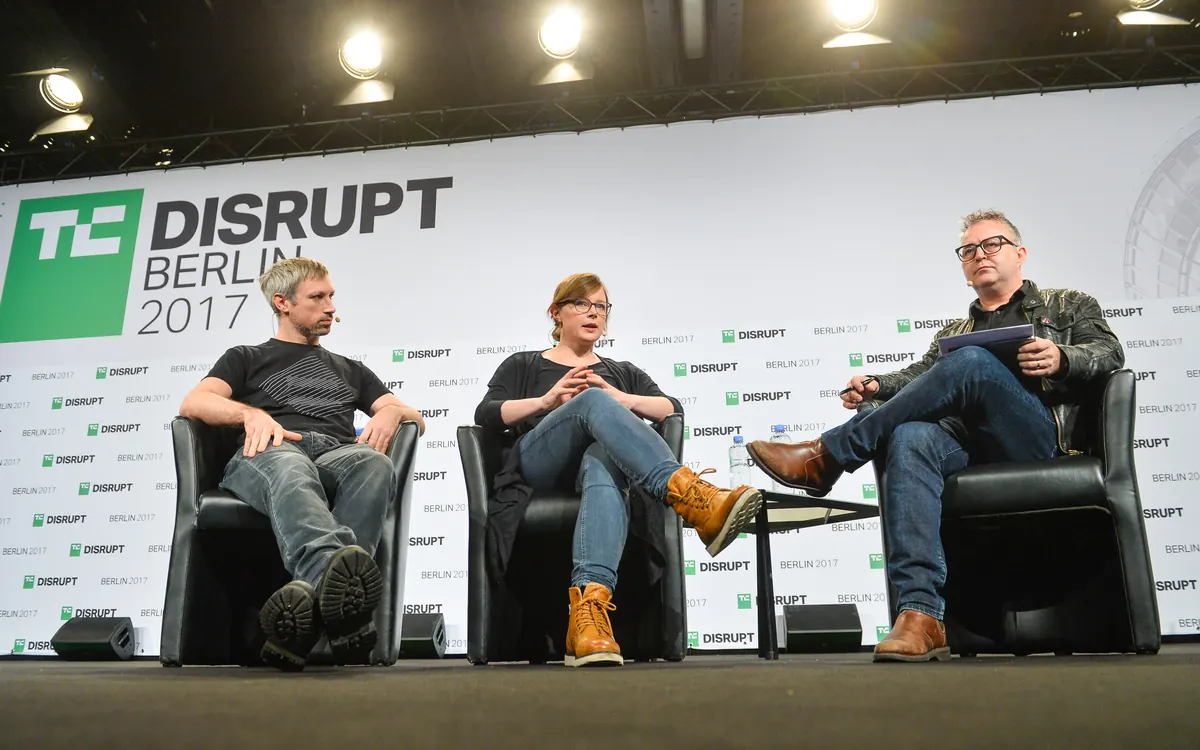
Polkadot is a blockchain network built to run many blockchains side by side. Instead of one chain doing everything, a central relay chain provides security and coordination, and specialised chains plug into it to handle their own apps. Its coin, DOT, is used to stake, vote and pay for space on the network. This guide explains how Polkadot works, what DOT does, how its supply changed in 2026 and what to watch out for.
Polkadot in one paragraph
Most blockchains, like early Ethereum, process every transaction on a single chain. Polkadot splits the work: dozens of connected chains run in parallel, each optimised for something different (DeFi, gaming, identity, smart contracts), while the relay chain's validators check all of them. The connected chains get strong security without recruiting their own validators, and they can pass messages and tokens to each other natively.
Who created Polkadot
Polkadot was designed by Gavin Wood, a co-founder of Ethereum who wrote its technical "Yellow Paper" and is credited with coining the term "Web3". He published the Polkadot white paper in 2016. Development is led by Parity Technologies, the company Wood co-founded, and funded largely by the Swiss-based Web3 Foundation, which ran the DOT token sale in 2017.
The main network launched in May 2020, and DOT became transferable in August 2020. A sister network, Kusama, runs the same technology with faster, less cautious settings and serves as a test bed where new features usually appear first.
How Polkadot works
- Relay chain: the core of the network. It holds the validator set, finalises blocks and makes sure every connected chain follows its own rules. It is deliberately kept simple and does not run user apps itself.
- Parachains (rollups): independent blockchains that connect to the relay chain. Each can have its own design, token and fees. Polkadot's own materials increasingly call them rollups, because their blocks are checked by relay-chain validators rather than by their own.
- Shared security: every connected chain is secured by the same pool of staked DOT, so a small project gets the protection of the whole network.
- XCM: Polkadot's cross-chain messaging format, which lets chains send tokens and instructions to each other without a separate third-party bridge.
- Polkadot Hub: the system chain (formerly Asset Hub) where balances, staking and governance have been moving from the relay chain, and where smart contracts are being added.
Projects used to win a connection "slot" in parachain auctions, locking up large amounts of DOT for up to two years. Since 2024 that model has been replaced by Agile Coretime: teams buy processing time ("cores") on the relay chain in a regular sale, for as long as they need it.
What the DOT token is used for
- Staking: DOT holders secure the network through nominated proof of stake. Validators run the nodes; nominators back validators they trust with their DOT and share the rewards. Polkadot's website puts the share of supply staked at about 51%.
- Governance: under OpenGov, any holder can submit or vote on proposals, from runtime upgrades to treasury spending. Locking DOT for longer gives a vote more weight. Polkadot says 474 referenda ran in 2025.
- Coretime: projects pay in DOT to run their chains on the relay chain.
- Fees and minimum balances: DOT pays transaction fees, and each account must keep a small minimum balance (the "existential deposit") to stay active.
DOT supply: the 2.1 billion cap
For most of its life DOT had no maximum supply, and about 120 million DOT was created each year to fund staking rewards and the treasury. That changed when holders approved Referendum 1710 in 2025, with 81% support according to Polkadot. Since 14 March 2026:
- total supply is capped at 2.1 billion DOT;
- new issuance fell to roughly 56 million DOT a year, a cut of more than half;
- issuance steps down again every two years as total supply approaches the cap.
A cap does not guarantee a higher price, but it makes the coin's long-term dilution predictable.
Polkadot vs Ethereum
| Polkadot | Ethereum | |
|---|---|---|
| Consensus | Nominated proof of stake | Proof of stake |
| How it scales | Many parallel chains secured by the relay chain | Layer 2 rollups that post data to Ethereum |
| Smart contracts | On specific chains and Polkadot Hub | On the main chain and its layer 2s |
| Cross-chain messages | Built in (XCM) | Via bridges and rollup messaging |
| Supply | Capped at 2.1 billion DOT since March 2026 | No fixed cap; part of fees is burned |
| Governance | On-chain voting (OpenGov) | Off-chain, through developer process |
Both networks are trying to solve the same problem, scaling without giving up security, from opposite ends. Ethereum keeps one main chain and pushes activity to layer 2 networks; Polkadot was built for many chains from day one. Ethereum has far more users, apps and money locked in DeFi.
How to stake DOT
- Nominate validators directly from a wallet that supports Polkadot staking. Pick validators with a solid track record and reasonable commission. Bonded DOT cannot be moved until you unbond it.
- Join a nomination pool if you hold a smaller amount; the pool does the nominating for you.
- Use an exchange's staking product, which is simpler but means the exchange holds your coins.
Since July 2026 (Referendum 1910), nominators are no longer slashed for their validators' mistakes and can unbond in about one to two days instead of up to 28. Rewards vary with the total amount staked. Our general guide to crypto staking explains the trade-offs.
Risks to know
- Price risk: DOT traded around $1.03 on 25 October 2026, with a market value of about $1.8 billion (CoinGecko), down from roughly $55 at the November 2021 peak.
- Wallet security: in October 2026 the third-party Fearless Wallet extension was found leaking private keys for 20 months. Use maintained wallets, keep your seed phrase offline and consider a hardware wallet for larger amounts.
- Competition and adoption: Polkadot competes with Ethereum's layer 2s, Cosmos, Solana and others for developers and users, and activity on many of its chains is modest.
- Complexity: relay chain, Hub, rollups and coretime are a lot to follow, which makes mistakes such as sending to the wrong chain more likely.
Where Polkadot is heading
Gavin Wood's next big proposal is JAM (Join-Accumulate Machine), a redesign of the relay chain into a more general computing platform, described in his "Gray Paper". Meanwhile the network is finishing its move of core functions to Polkadot Hub and adding smart contracts there. For safe storage basics, see how to store crypto safely.
Frequently asked questions
What is Polkadot in simple terms?
A blockchain network that lets many specialised blockchains run in parallel and share one set of validators for security. Its DOT token is used for staking, governance and buying space on the network.
Who founded Polkadot?
Ethereum co-founder Gavin Wood designed Polkadot and published its white paper in 2016. Parity Technologies and the Web3 Foundation led development, and the main network launched in 2020.
Does DOT have a maximum supply?
Yes, since 14 March 2026. Referendum 1710 capped total supply at 2.1 billion DOT and cut yearly issuance to roughly 56 million DOT, with further step-downs every two years.
How long does it take to unstake DOT?
Since July 2026, nominators can unbond in roughly one to two days instead of up to 28 days. Validators and some other locked balances follow different rules.
This article is for information only and is not financial advice. Crypto assets are volatile; do your own research. Read our disclaimer
More from Altcoins
View all →Read next

Circle Match: USDC redeemers now pay a rebate to minters in hourly auctions
Circle's new Match service pairs institutions cashing out of USDC with those minting it. Redeemers pay one fee capped at the Express rate; minters get it.
Tether's mining kit wins Bitmain, MicroBT and 13 other backers
Fifteen miners, ASIC makers and pools will build integrations for Tether's open-source MDK. The goal is software and AI agents that run any mining fleet.

What is liquidation in crypto? Liquidation price explained
What liquidation means in crypto trading: how margin and the liquidation price work, a worked example, cascades, insurance funds, DeFi loans and how to cut risk.