Interpol's Serengeti III: 1,462 arrests, crypto mines shut
Interpol says Operation Serengeti III across 21 countries recovered $105M, and Angolan police seized 2,000+ mining rigs. Five takeaways for crypto users.
CryptoGroup Newsroom · · 3 min read

On this page
Police in 21 countries arrested 1,462 suspects and recovered more than $105 million in an Interpol-coordinated crackdown on cybercrime in Africa, the organisation said on Thursday, Oct. 22. Operation Serengeti III ran from June 29 to August 31, 2026 and, among other things, closed two illegal crypto mining centres in Angola. Here is what stands out, based on Interpol's announcement and Decrypt's report.
The scale of the sweep
- 1,462 suspects arrested and 10,909 malicious networks disrupted.
- 65,929 victims identified, with losses linked to the networks of more than $385 million.
- Targets: ransomware, online scams, business email compromise (BEC), digital extortion and other cyber-enabled fraud.
- Before the operation, investigators from 20 African countries and the United States received intelligence on suspicious domains, IP addresses and command-and-control servers.
Angola: two illegal mining centres closed
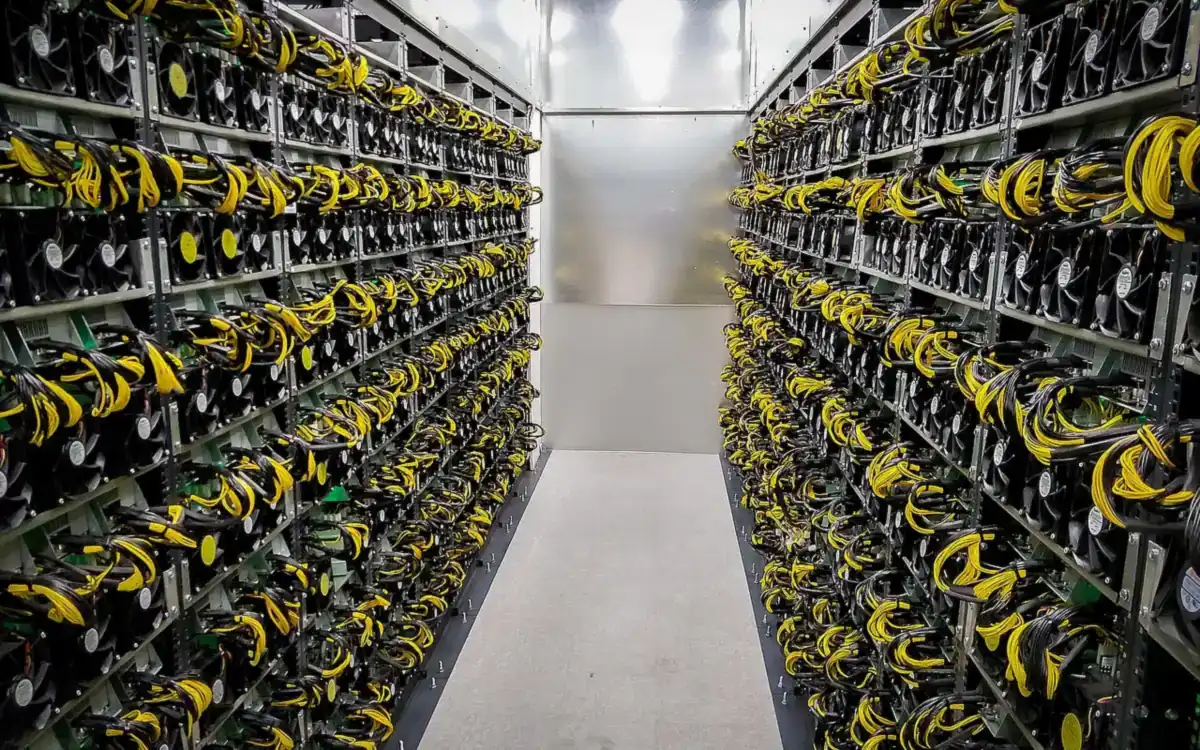
Angolan investigators shut down two illegal cryptocurrency mining centres, arrested nine people and seized more than 2,000 mining devices plus six illegal power transformation stations. Interpol valued the seized electrical equipment alone at over $1 million. Illegal mining usually means rigs hooked up to stolen or unpaid electricity; proof-of-work mining is profitable only when power is cheap, which is why rogue operators tap the grid. Our guide to proof of work vs proof of stake explains why mining is so energy-hungry.
Nigeria: crypto used to move fraud money
In one Nigerian case, a suspect was arrested over an international investment scheme promoted through messaging apps. Investigators traced more than $2.4 million in suspected proceeds, much of it laundered through crypto transactions. Another Nigerian suspect allegedly ran a phishing and BEC operation that collected about 2.1 million email addresses.
Uganda: fake trading platforms aimed at pensioners
Ugandan police dismantled two transnational fraud rings and arrested 365 foreign nationals. Interpol says the groups ran a rotating call-centre model with scripts, fake trading platforms and fraudulent websites that persuaded pensioners in Asia to invest in opportunities that did not exist. Authorities also hit a malicious loan app in Tanzania, a vehicle-import scam in Gabon and arrested 30 suspects in the Republic of Congo.
What it means for crypto users
The Ugandan rings used the same playbook we see in crypto investment scams: a polished "platform", a friendly caller and promised returns that never existed. Our checklist on how to spot crypto scams covers the warning signs, and the NovaTech case in New York shows how much such schemes can take. Private partners including Group-IB, Kaspersky, blockchain analytics firm Uppsala Security and Meta supported the operation, and Interpol says several investigations remain open.
This article is for information only and is not financial advice. Crypto assets are volatile; do your own research. Read our disclaimer
More from Security
View all →Read next

What are prediction markets? How event contracts work
What prediction markets are, how yes/no contract prices work as probabilities, Kalshi vs Polymarket, fees, legal fights in the US and the main risks.
What is a mining pool? How pooled bitcoin mining works
What a bitcoin mining pool is, how shares and payouts work, PPS vs FPPS vs PPLNS compared, decentralization concerns and how to choose a pool.

South Korea to treat stablecoins as payments under forex law
The Bank of Korea and the government aim to draft a Foreign Exchange Transactions Act amendment this year that would regulate stablecoins as a means of payment.