Proof of work vs proof of stake: how crypto networks agree, compared
Proof of work uses mining hardware and electricity; proof of stake uses locked-up coins. Compare security, energy use, rewards, risks and which coins use each.
CryptoGroup Newsroom · · 4 min read
Quick verdictProof of work ties security to real-world energy and hardware; proof of stake ties it to coins at risk. Both work at scale — the trade-offs are energy, decentralization and complexity.
Jump to the verdict ↓On this page
Every blockchain needs a way for thousands of independent computers to agree on one shared history without trusting each other. That method is called a consensus mechanism, and the two dominant ones are proof of work (PoW) and proof of stake (PoS).
Bitcoin runs on proof of work. Ethereum switched from proof of work to proof of stake in The Merge in September 2022. This guide explains how each works and how they compare. It is educational, not investment advice. For the bigger picture of the two largest networks, see Bitcoin vs Ethereum.
How proof of work works
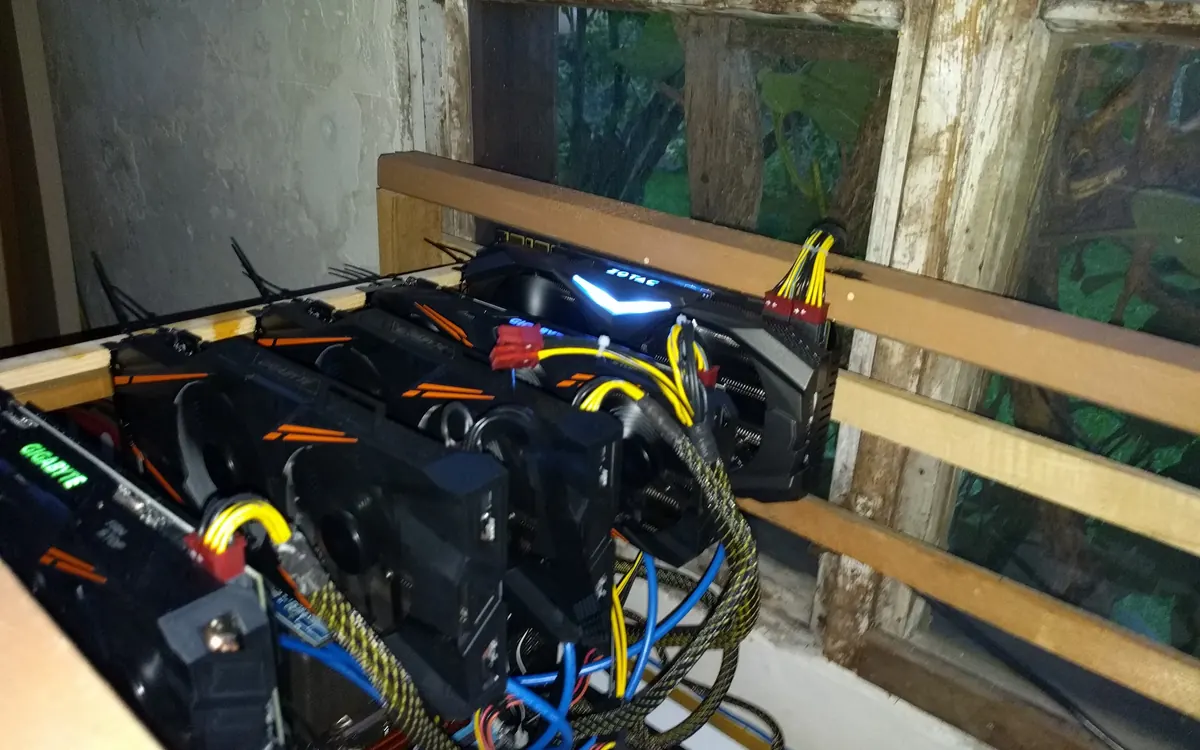
In proof of work, miners compete to add the next block. They bundle pending transactions and repeatedly run a hash function until they find a result below a target set by the network. The first to succeed broadcasts the block and earns the block reward plus fees.
- Finding a valid hash takes enormous trial and error, so producing a block costs real electricity and hardware.
- Checking that a block is valid is cheap for everyone else.
- The network adjusts difficulty so blocks arrive at a steady pace — about every 10 minutes on Bitcoin.
To rewrite history, an attacker would need more computing power than the honest miners combined (the famous "51% attack"), which on a large network means buying and powering an enormous amount of specialized equipment.
How proof of stake works
In proof of stake, validators lock up (stake) the network's own coin as collateral. The protocol picks validators to propose and attest to blocks, and they earn rewards for doing it correctly.
- Running a solo Ethereum validator requires 32 ETH; smaller holders usually join through staking pools or services.
- Validators that break the rules — for example, signing two conflicting blocks — can be slashed, losing part of their stake.
- Ethereum produces a block slot every 12 seconds.
Security comes from economics: attacking the chain means acquiring and risking a huge amount of the coin itself, which the protocol can destroy if misused.
Side-by-side comparison
| Proof of work | Proof of stake | |
|---|---|---|
| Who produces blocks | Miners with hashing hardware | Validators with staked coins |
| What secures it | Electricity and hardware spent | Coins locked as collateral |
| Energy use | High by design | Very low by comparison |
| Punishment for cheating | Wasted energy and costs | Slashing of staked coins |
| Examples | Bitcoin, Litecoin, Dogecoin | Ethereum, Solana, Cardano |
Pros and cons
Proof of work
+ Pros
- Simple, battle-tested model — Bitcoin has run on it since 2009
- Security is anchored in physical resources outside the system
- Anyone can mine without first owning the coin
− Cons
- Large electricity consumption draws environmental criticism
- Mining tends to concentrate in big pools and cheap-power regions
- Specialized hardware (ASICs) becomes obsolete quickly
Proof of stake
+ Pros
- Uses a tiny fraction of the energy — Ethereum's Merge cut its energy use by well over 99%, per the Ethereum Foundation
- Holders can earn staking rewards
- Misbehaviour is punished directly through slashing
− Cons
- More complex protocol with more moving parts
- Large staking providers and exchanges can concentrate influence
- Staked coins may be locked or subject to withdrawal queues
Which one is "better"?
Neither is strictly better. Proof of work's supporters value its simplicity and the fact that security is tied to real-world cost. Proof of stake's supporters point to its far lower energy use and faster, more flexible design. Most new smart-contract networks launched in recent years use some form of proof of stake, while Bitcoin's community has shown no sign of moving away from proof of work.
For you as a user, the mechanism mostly affects how new coins are issued, whether you can earn staking rewards, and the network's environmental footprint — not how you buy or store the coin. For that, see how to store crypto safely.
Our verdict
Both are proven — pick the network for its use case, not just its consensus
Proof of work (Bitcoin) trades high energy use for a simple, resource-backed security model. Proof of stake (Ethereum and most newer chains) trades some complexity and concentration risk for efficiency and staking rewards. Understanding the difference helps you judge a project's security claims and what "staking" really means before you take part.
This article is for information only and is not financial advice. Crypto assets are volatile; do your own research. Read our disclaimer
More from Ethereum
View all →Market update
Ether margin longs on Bitfinex climb as prices stall
Read next

Goldman, Wells Fargo, Morgan Stanley bet on tokenization
Q3 earnings calls showed how Goldman Sachs, Wells Fargo and Morgan Stanley each expect to profit from tokenization: more trading, faster payments, more advice.

Fidelity's Solana health check: reliable, but too concentrated
Fidelity's FCAT says Solana has gone two years without a major outage, yet 18 validators, one host and two EU cities hold an outsized share of its stake.

Vitalik: bitcoin mining runs on power, AI on hardware
Vitalik Buterin's cost tables show bitcoin mining split about 50/50 between hardware and electricity, while AI inference spends roughly 76% on hardware.