How to store USDT safely: wallets and networks compared
Where to keep Tether (USDT): exchange, software or hardware wallet, how to pick the right network (Tron, Ethereum, Solana, TON) and avoid costly mistakes.
CryptoGroup Newsroom · · 7 min read
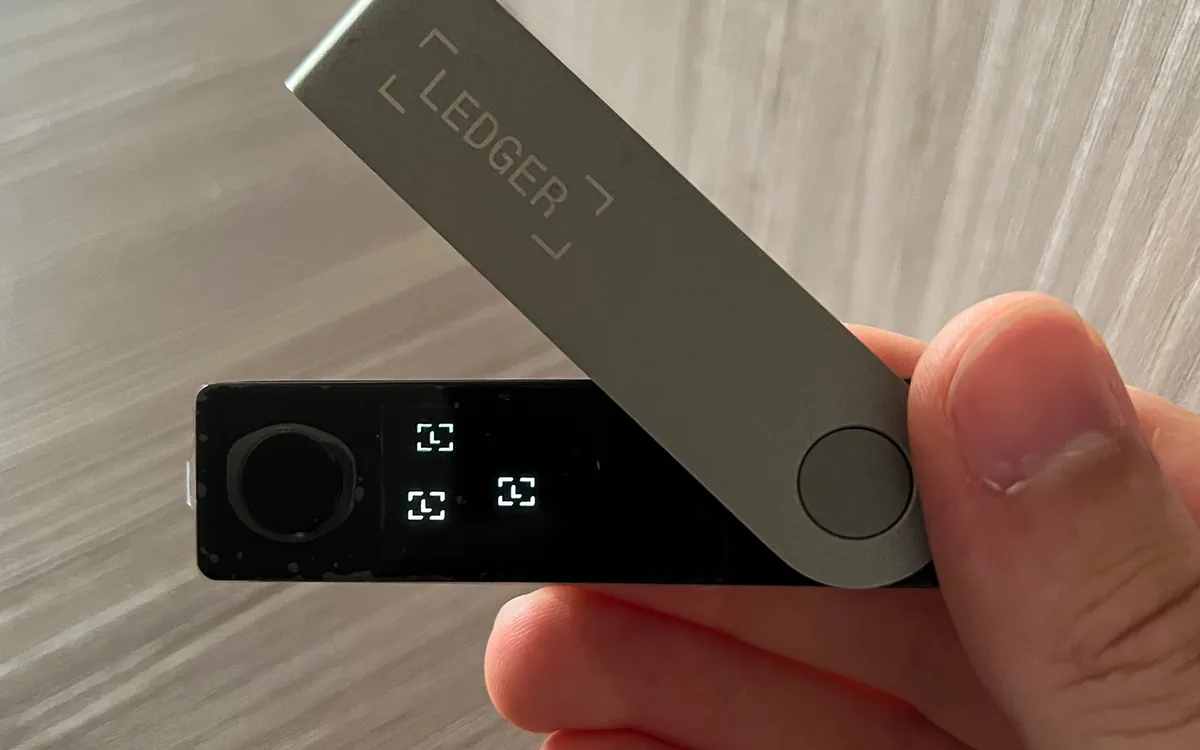
Quick verdictUse an exchange only for USDT you are about to trade, a reputable self-custody wallet for everyday amounts, and a hardware wallet for savings — and always match the network on both ends of a transfer.
Jump to the verdict ↓On this page
USDT (Tether) is the most widely used dollar stablecoin, and storing it safely comes down to two decisions: who holds the keys, and which blockchain your USDT lives on. Get the first wrong and you depend on someone else's security; get the second wrong and a transfer can vanish into an address you can't access. This guide walks through both, in plain language. If stablecoins are new to you, start with what a stablecoin is.
First, understand that USDT lives on many networks
Tether issues USDT on several blockchains. The token is meant to be worth $1 on each of them, but the coins on one chain are separate from the coins on another. The most common versions are:
- Tron (TRC-20) — very popular for transfers between exchanges and for payments because fees are usually low. Addresses start with T.
- Ethereum (ERC-20) — the original large market for USDT and widely used in DeFi. Addresses start with 0x. Fees rise when the network is busy.
- Solana and TON — fast and cheap, and growing in apps and wallets (TON is built into Telegram's ecosystem).
- Ethereum-compatible networks such as Arbitrum, Polygon or BNB Chain also carry USDT, and they use the same 0x address format as Ethereum — which is exactly why mistakes happen.
Tether has wound down support on some older networks over the years, so check the issuer's current list before using a less common chain.
| Tron | Ethereum | Solana | TON | |
|---|---|---|---|---|
| Token standard | TRC-20 | ERC-20 | SPL | Jetton |
| Address looks like | Starts with T | Starts with 0x | Base58 string | Starts with UQ or EQ |
| Coin needed for fees | TRX | ETH | SOL | TON |
| Typical fee level | Low | Higher, varies with congestion | Very low | Low |
The golden rule: match the network
When you withdraw USDT from an exchange, it asks you to choose a network. That network must be the same one your receiving wallet uses. Sending ERC-20 USDT to a Tron address will normally fail at the form stage, but sending between two 0x networks (say, Ethereum to BNB Chain) may go through — and the coins arrive on a chain your wallet or exchange may not watch. Recovery, if possible at all, depends on whoever controls the receiving address.
Two habits prevent most losses:
- Send a small test first and confirm it arrived before moving the rest.
- Keep a little of the network's native coin in the wallet. USDT on Tron can't move without TRX for fees (paid as "energy" and "bandwidth"); USDT on Ethereum needs ETH.
Option 1: keep USDT on an exchange
The simplest choice. The exchange holds the keys, you log in with a password and two-factor authentication, and support can help if you lose access.
+ Pros
- Nothing to install or back up
- Instant trading and conversion to other coins or fiat
- Account recovery through the platform
− Cons
- You rely on the exchange's security and solvency
- Withdrawals can be paused or restricted
- Availability of USDT depends on local rules
Rules matter here: in the EU, major exchanges restricted USDT for European users after MiCA's stablecoin rules took effect, because USDT is not authorised under the regime (see what MiCA is). Whatever the platform, use an authenticator app or security key rather than SMS codes.
Option 2: a self-custody software wallet
Mobile and browser wallets let you hold the keys yourself. Choose one that supports the network you need (not every wallet supports Tron or TON), download it only from the official site or app store, and write down the recovery phrase on paper — never in a screenshot, cloud note or chat. Our guide to what a seed phrase is explains why that phrase is everything.
Software wallets are convenient for everyday amounts, but the phone or computer is online, so malware and phishing sites are the main risks. Review and revoke old token approvals you granted to DeFi apps, since a malicious approval can let a contract move your USDT.
Option 3: a hardware wallet for savings
A hardware wallet keeps the keys on a dedicated device and asks you to confirm every transfer on its own screen. That makes it the strongest everyday option for larger balances. Most major devices support USDT on Ethereum; support for Tron, Solana and TON varies by model and companion app, so check before you buy. Buy directly from the maker, never second-hand. More detail: what a hardware wallet is and how to store crypto safely.
Scams that target USDT holders
Other common traps: fake "USDT mining" or staking apps promising daily returns, support impostors asking for your recovery phrase, and "investment" platforms that show gains but block withdrawals. Our guide on how to spot crypto scams covers the warning signs.
Risks no wallet can remove
- Issuer risk. USDT is a claim on Tether, not a bank deposit, and it is not covered by deposit insurance. Tether publishes regular reserve attestations; read them with that in mind.
- Freezes. Tether can freeze USDT held at specific addresses, for example at the request of law enforcement. Self-custody does not change that.
- Peg risk. Stablecoins have briefly traded below $1 during market stress.
Quick checklist
- Decide how much you need to keep liquid on an exchange, and move the rest out.
- Pick one network and a wallet that supports it; keep some of its fee coin.
- Back up the recovery phrase offline and test a restore with a small balance.
- Send a test transaction before every new large transfer.
- Never share your phrase, and double-check every address.
Frequently asked questions
What is the safest way to store USDT?
For larger amounts, a hardware wallet that supports the network your USDT is on, with the recovery phrase backed up offline. Keep only what you trade on an exchange.
Which network is best for USDT: TRC-20 or ERC-20?
Tron (TRC-20) is usually cheaper for transfers; Ethereum (ERC-20) has the widest DeFi support but higher fees. The best network is the one both the sender and the receiver support.
Why can't I send my USDT on Tron?
Transfers on Tron need TRX to pay for network resources. Add a small amount of TRX to the same wallet and try again.
Can USDT be frozen in my own wallet?
Yes. Tether can freeze USDT at specific addresses, usually at the request of law enforcement, even if you hold the keys yourself.
What happens if I send USDT on the wrong network?
If the address format is the same (for example two 0x networks), the coins usually land on the other chain. Whether they can be recovered depends on who controls the receiving address.
Our verdict
Exchange for trading, hardware wallet for savings, matching network always
Keep on an exchange only the USDT you're about to trade, use a reputable self-custody wallet for day-to-day amounts, and move savings to a hardware wallet. Before every transfer, check that both sides use the same network and that you have that network's coin for fees.
This article is for information only and is not financial advice. Crypto assets are volatile; do your own research. Read our disclaimer
More from Security
View all →Read next

Cardano Foundation to EU: no separate MiCA rules for DeFi, staking
In its MiCA review submission, the Cardano Foundation argues DeFi and staking should be regulated by function and risk, not by the technology behind them.

Chainlink, Cardano and 4 others ask SEC to codify digital commodities
Six blockchain groups behind LINK, ADA, HBAR, APT, AVAX and XLM ask the SEC to write its digital commodity category into Regulation Crypto Assets.
Bitcoin hits $84,600 as SpaceX earnings lift US stocks
Bitcoin rose almost 2% to $84,600, its highest since Oct. 7, as SpaceX's Q3 beat lifted the Nasdaq and nearly $110M of crypto shorts were liquidated in four hours.