Phantom wallet brings Kalshi prediction markets to US users
Phantom is rolling out Kalshi event contracts inside its wallet app for US users, funded with its CASH stablecoin, with some markets blocked in three states.
CryptoGroup Newsroom · · 3 min read

Crypto wallet Phantom has started offering Kalshi's prediction markets to users in the United States, letting them trade event contracts without leaving the wallet app. The rollout began on Friday, Oct. 23, and will widen over the coming weeks, The Block reported in an exclusive.
How it works
- Account: users must pass Kalshi's identity checks (KYC) before trading.
- Funding: trades are paid for with CASH, Phantom's dollar-pegged stablecoin, from a Phantom Cash account. Phantom says more payment options are coming.
- Settlement: funds move to Kalshi and are converted into dollars for settlement; cash-outs and winnings return to the user's Cash balance.
- Fees: Phantom quoted $0.02 per contract, plus a small network fee for moving money to Kalshi. A fee breakdown is shown before each trade or cash-out.
- Catalogue: Kalshi is opening its full list of markets to Phantom, which decides which ones to display.
Three states get a reduced menu
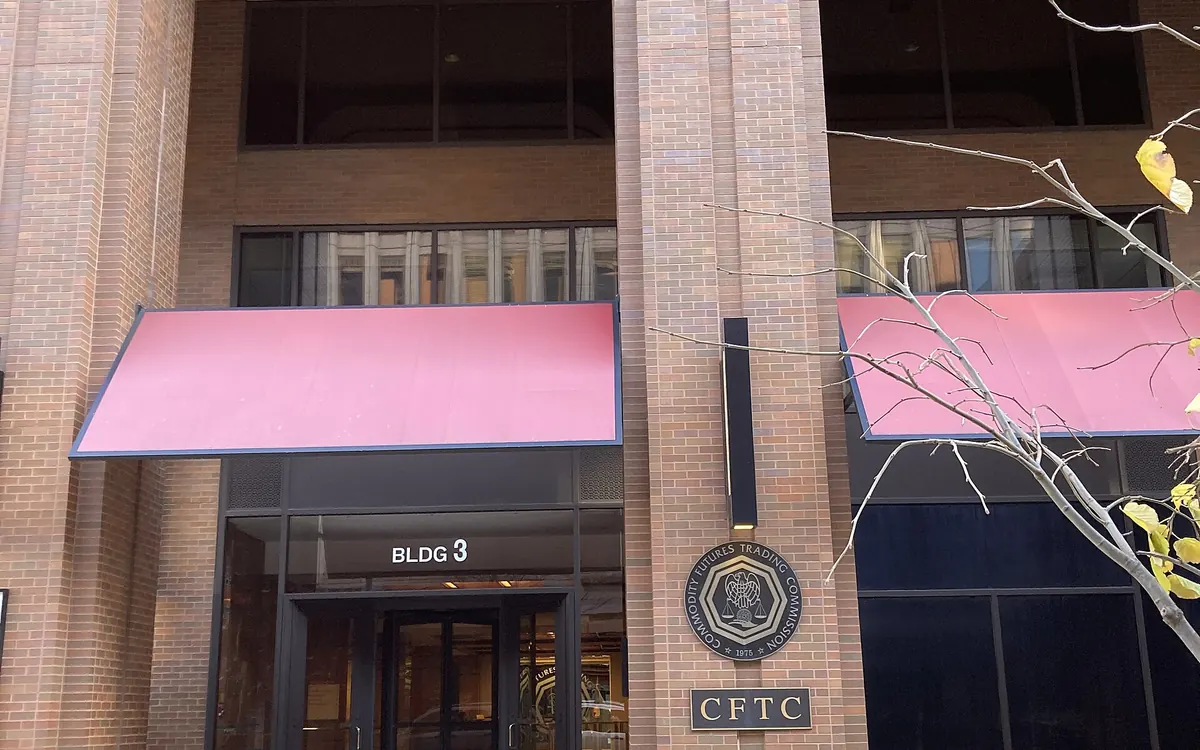
Several US states argue that Kalshi's sports and other contracts are gambling under state law, while Kalshi says federal oversight by the Commodity Futures Trading Commission (CFTC) takes precedence. Phantom says it will follow state restrictions while the cases continue:
- Michigan: sports markets blocked.
- Nevada: sports, elections, politics and entertainment blocked.
- Washington: all of the above plus culture, science and tech, mentions and geopolitics.
Phantom general counsel Kevin Jacobs told The Block the company is "confident and comfortable" going ahead, saying the CFTC's jurisdiction "is clear". In March the CFTC gave Phantom a conditional no-action letter, sparing it from registering as a broker, and last month it extended similar relief to other software providers. Jacobs expects the Supreme Court to have the final word on the state-versus-federal fight, which is already splitting appeals courts, as our report on Crypto.com and Novig suing Missouri explains.
Why it matters
Kalshi has handled more than $291 billion in trading volume this year, according to The Block's data, and October had reached $55.33 billion with nine days left, on course to beat September's record of $59.32 billion. Distribution through a large self-custody wallet adds a crypto-native funnel next to brokers such as Robinhood, and it mirrors the trend of funding bets with stablecoins seen in Underdog's deal with zerohash.
New to the product category? Our explainer what are prediction markets covers how contract prices work as probabilities and where the legal risks lie, and what is a stablecoin explains the tokens used to fund trades.
Frequently asked questions
Can anyone in the US use Kalshi markets in Phantom?
Access is rolling out gradually from Oct. 23. Users must complete Kalshi's KYC, and some market categories are hidden in Michigan, Nevada and Washington.
What does it cost to trade?
Phantom quoted a fee of $0.02 per contract plus a small network fee for moving funds to Kalshi. A breakdown is shown before each trade.
What currency is used?
Trades are funded with Phantom's dollar-pegged CASH stablecoin. Kalshi settles in dollars, and winnings return to the user's Phantom Cash account.
This article is for information only and is not financial advice. Crypto assets are volatile; do your own research. Read our disclaimer
More from Exchanges
View all →Read next
What are prediction markets? How event contracts work
What prediction markets are, how yes/no contract prices work as probabilities, Kalshi vs Polymarket, fees, legal fights in the US and the main risks.

Interpol's Serengeti III: 1,462 arrests, crypto mines shut
Interpol says Operation Serengeti III across 21 countries recovered $105M, and Angolan police seized 2,000+ mining rigs. Five takeaways for crypto users.
What is a mining pool? How pooled bitcoin mining works
What a bitcoin mining pool is, how shares and payouts work, PPS vs FPPS vs PPLNS compared, decentralization concerns and how to choose a pool.