How to buy USDT (Tether) safely: a step-by-step guide
How to buy USDT safely: exchange, P2P or app, verification, paying by bank or card, choosing TRC-20 or ERC-20 for withdrawal, fees, EU limits and common scams.
CryptoGroup Newsroom · · 7 min read
On this page
USDT (Tether) is the most widely used stablecoin, a token designed to stay worth about $1. People buy it to move money across borders, to park funds between crypto trades or to hold a digital dollar where the local currency is weak. Buying it is simple, but the details (where you buy, how you pay and which network you withdraw on) decide whether you overpay or lose money. If you want the background first, read what USDT is and how it works.
Pick how you want to buy
There is no "USDT shop". You buy it from someone who already has it, through one of these routes:
| Exchange (order book) | P2P marketplace | Broker app or wallet on-ramp | Crypto ATM | |
|---|---|---|---|---|
| How you pay | Bank transfer, card | Bank transfer to the seller, local apps | Card, Apple/Google Pay | Cash or card |
| Typical cost | Lowest: trading fee plus spread | Seller's markup | Higher, fee built into the price | Highest |
| Verification | Full KYC | Full KYC on the platform | KYC by the provider | Varies; ID above limits |
| Main risk | Platform failure, account freeze | Payment fraud by the other side | High fees | Fees, scams pushing victims to ATMs |
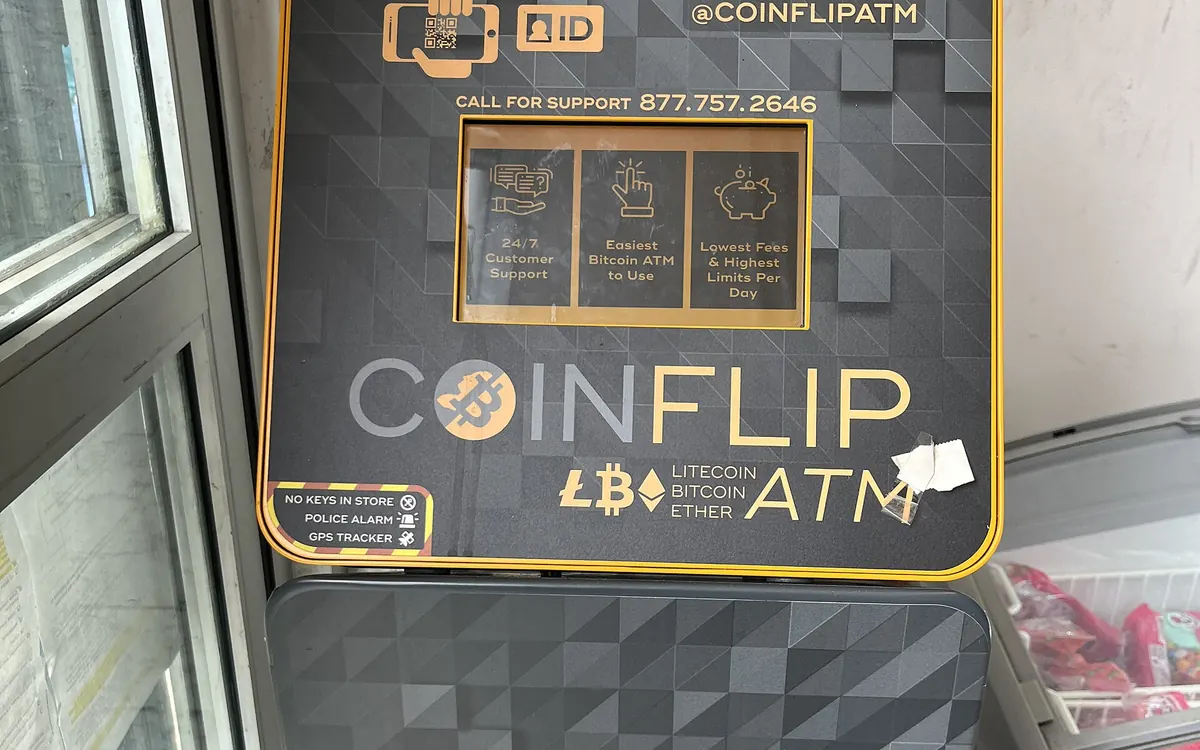
For most people the best balance of price and safety is a large, regulated exchange. P2P is common where bank links to exchanges are limited, but it adds counterparty risk. Card on-ramps are convenient for small amounts. ATMs are the most expensive option and are a favourite tool of scammers, so avoid them unless you know the operator.
Choose a licensed exchange
Check that the platform is authorised where you live: in the EU, look it up in the MiCA register; elsewhere, check your financial regulator's public list. Then compare:
- Pairs: does it offer USDT against your currency directly (for example USDT/EUR or USDT/UAH), or only via another coin?
- Deposit methods and fees: bank transfer, card, local payment systems.
- Withdrawal networks: which USDT networks it supports, and the flat withdrawal fee on each.
- Security: authenticator-app or passkey 2FA, address allow-lists, and a public proof of reserves report.
If you live in the EU: USDT is not authorised under MiCA's stablecoin rules, so major exchanges have restricted buying it for users in the European Economic Area. You may still be able to sell or withdraw old balances, but for new purchases the regulated options are USDC or euro stablecoins. Compare them in USDT vs USDC and read what MiCA is.
Create and verify your account
Sign up on the official website or app (type the address yourself; search ads for crypto exchanges are a common phishing trap). Expect to upload an ID document and a selfie, and sometimes proof of address or source of funds. Turn on 2FA with an authenticator app or security key before you deposit anything, and set a unique password.
Fund the account
- Bank transfer (SEPA, wire or local instant payments) is usually free or cheap but can take minutes to a day.
- Card payments land instantly but often cost several percent in fees, and some banks block or treat them as cash advances.
- P2P: you pay the seller directly by bank transfer while the platform holds their USDT in escrow. Only release or mark a payment as sent after it really is, pay only from an account in your own name, and never move the deal into private chat.
Place the order
On a simple "buy" screen the price includes a spread; on the trading screen you can use the USDT pair directly. A market order fills right away at the best available price; a limit order lets you name the price and wait. For a stablecoin the price should be very close to one dollar in your currency; if a seller offers a deep discount, assume a scam. Check the total cost (fee plus spread) before you confirm.
Withdraw on the right network
You can leave USDT on the exchange if you plan to trade soon. For anything else, consider moving it to a wallet you control; our guide to storing USDT safely compares the options. When you withdraw, the exchange asks for a network. Common choices:
| Network | Address looks like | Coin needed for fees | Typical use |
|---|---|---|---|
| Tron (TRC-20) | Starts with T | TRX | Cheap transfers, P2P, exchange deposits |
| Ethereum (ERC-20) | Starts with 0x | ETH | DeFi, institutional custody |
| BNB Chain (BEP-20) | Starts with 0x | BNB | Binance ecosystem apps |
| Solana | Base58 string | SOL | Fast, low-fee apps |
The receiving side must expect the same network. Several networks share 0x addresses, so a transfer can go through and still land somewhere your wallet does not watch. Unsure which to pick? Read TRC-20 vs ERC-20. Always send a small test amount first, and keep a little of the network's own coin in the wallet, or you will not be able to move the USDT later.
Avoid the common USDT scams
- "Too good" P2P rates or sellers asking you to pay outside the platform.
- Fake "flash USDT" or "unlimited Tether" software: tokens that cannot be spent or that drain your wallet.
- Cash meet-ups and street exchangers with no legal recourse.
- "Support" agents who ask for your recovery phrase or tell you to move funds to a "safe wallet".
- Investment offers promising fixed daily returns in USDT.
More patterns, and how to check them, are in how to spot crypto scams.
Keep records for tax
Buying USDT with your own money is usually not a taxable event, but swapping it for other coins or spending it can be, depending on your country. Save the trade history and withdrawal records from day one.
Frequently asked questions
Can I buy USDT directly from Tether?
Only if you are a verified customer that meets Tether's high minimums, which in practice means businesses and institutions. Everyone else buys on exchanges, P2P marketplaces or through wallet apps.
What is the cheapest way to buy USDT?
Usually a bank transfer to a regulated exchange and a purchase on its USDT trading pair, followed by withdrawal on a low-fee network such as Tron if your wallet supports it. Card and ATM purchases cost more.
Which network should I choose when I buy USDT?
The network your receiving wallet or exchange supports. TRC-20 is common for cheap transfers, ERC-20 for Ethereum apps. You also need that network's coin, such as TRX or ETH, to pay fees.
Can I buy USDT in the EU?
Regulated exchanges in the EU have restricted USDT purchases because it is not authorised under MiCA. USDC and euro stablecoins are the compliant alternatives.
How long does it take to buy USDT?
Once your account is verified, a card purchase is instant and a bank transfer can take from minutes to a business day. Withdrawals on Tron or Solana usually arrive within minutes.
This article is for information only and is not financial advice. Crypto assets are volatile; do your own research. Read our disclaimer
More from DeFi
View all →Read next

Coinbase: vendor Amplitude breach exposed some user contacts
Coinbase denies being hacked: a breach at analytics vendor Amplitude exposed contact details of a small subset of users. Funds are safe; watch for phishing.
Datavault AI plunges 50% as it can't withdraw its bitcoin
Datavault AI stock fell nearly 50% after it said BTC credited on Biconomy since 2025 can't be withdrawn. It will restate results, cutting assets by $92.2M.

Bessent: crypto will be a new 'umbrella' for the US dollar
At Ripple's Swell, Treasury Secretary Scott Bessent said stablecoins can reinforce the dollar and that agencies can act after the Clarity Act failed.