Datavault AI plunges 50% as it can't withdraw its bitcoin
Datavault AI stock fell nearly 50% after it said BTC credited on Biconomy since 2025 can't be withdrawn. It will restate results, cutting assets by $92.2M.
CryptoGroup Newsroom · · 3 min read
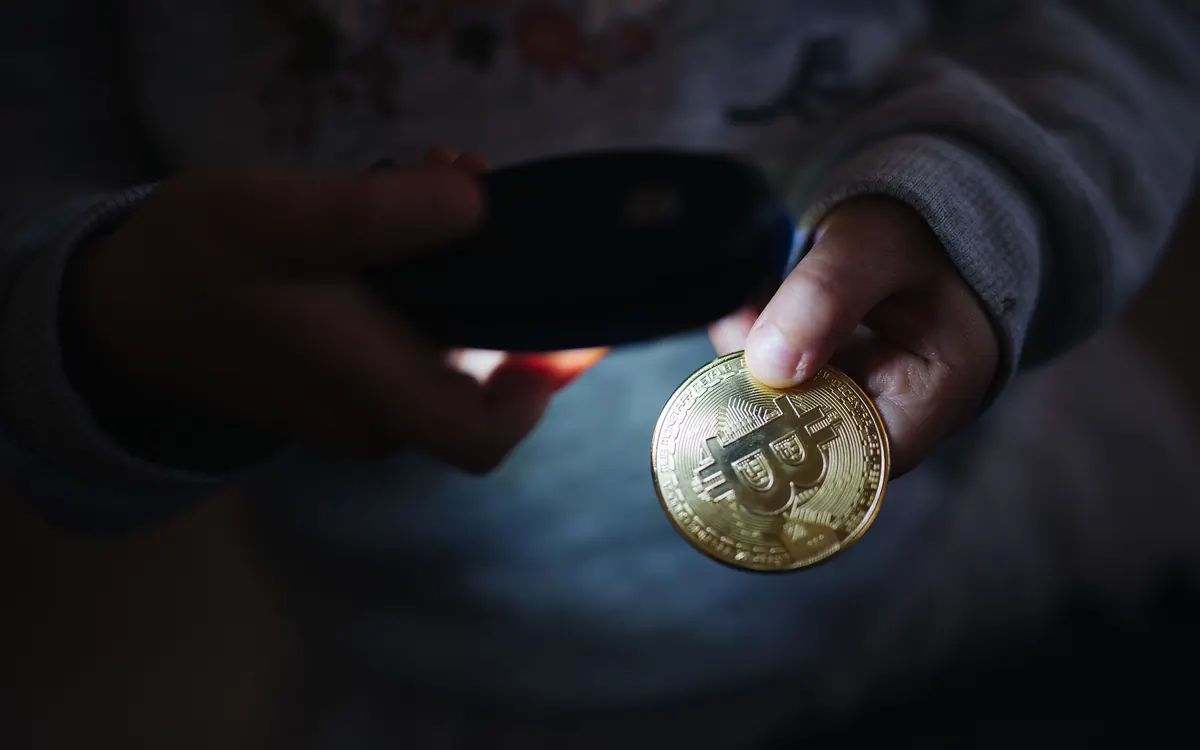
Shares of Datavault AI, a Nasdaq-listed company that held bitcoin on its balance sheet, nearly halved on Tuesday after it disclosed that it has been unable to withdraw that bitcoin from crypto exchange Biconomy since June. The stock closed at $0.067, down 49.55%, on about 244 million shares traded, and the company said it will restate its financial results, CoinDesk reports, citing a regulatory filing.
How Datavault got the bitcoin
In September 2025, Scilex Holding Company agreed to buy $150 million of Datavault shares and warrants and to pay in bitcoin. Scilex credited 1,309.04 BTC to Datavault's account at Biconomy through off-chain transfers: the balances changed in the exchange's internal ledger, but no transaction was recorded on Bitcoin's blockchain. Datavault later sold 491.4 BTC back to Scilex for about $40.5 million in cash.
Biconomy also sat at the start of the chain. According to Scilex's June report, it sold $200 million of shares in its subsidiary Semnur to Biconomy for bitcoin, then used $150 million of that to buy the Datavault securities.
What went wrong
When Datavault asked in June to move the coins to an outside account, the withdrawal was not completed, and it was still pending as of Monday's filing. CoinDesk said Biconomy had not replied to questions about the request or the bitcoin backing the account.
The accounting fix
Datavault now says the bitcoin credited through the deal should have been booked as an amount Scilex owed it for the shares, which reduces shareholders' equity, rather than as crypto assets it owned. The change cuts reported assets by $92.2 million at the end of 2025 and $49 million as of June 2026. The company had treated those balances as money it could draw on to fund operations and now has to revisit that assumption.
Why it matters for bitcoin treasuries
Many bitcoin treasury companies pitch BTC as a hard, liquid reserve. This case shows that an exchange balance is only a claim on the platform: if the coins never moved on-chain, owning them depends on the exchange honouring withdrawals. That is the core trade-off in custodial vs non-custodial wallets, and why investors increasingly ask for on-chain proof of reserves or qualified custodians.
Frequently asked questions
What is an off-chain bitcoin transfer?
A transfer recorded only in an exchange's internal books. The exchange changes two account balances, but no transaction appears on the Bitcoin blockchain, so the recipient depends on the exchange to withdraw the coins later.
Has Datavault lost the bitcoin?
The company has not said the coins are lost. It says a withdrawal requested in June has not been completed and that it will restate how the bitcoin was recorded.
This article is for information only and is not financial advice. Crypto assets are volatile; do your own research. Read our disclaimer
More from Bitcoin
View all →Read next

Coinbase: vendor Amplitude breach exposed some user contacts
Coinbase denies being hacked: a breach at analytics vendor Amplitude exposed contact details of a small subset of users. Funds are safe; watch for phishing.

Bessent: crypto will be a new 'umbrella' for the US dollar
At Ripple's Swell, Treasury Secretary Scott Bessent said stablecoins can reinforce the dollar and that agencies can act after the Clarity Act failed.
How to buy USDT (Tether) safely: a step-by-step guide
How to buy USDT safely: exchange, P2P or app, verification, paying by bank or card, choosing TRC-20 or ERC-20 for withdrawal, fees, EU limits and common scams.