What is MiCA? The EU crypto rules explained
MiCA is the EU's crypto rulebook: licences for exchanges, strict stablecoin rules and token white papers. What it covers, what it doesn't and what it means.
CryptoGroup Newsroom · · 6 min read
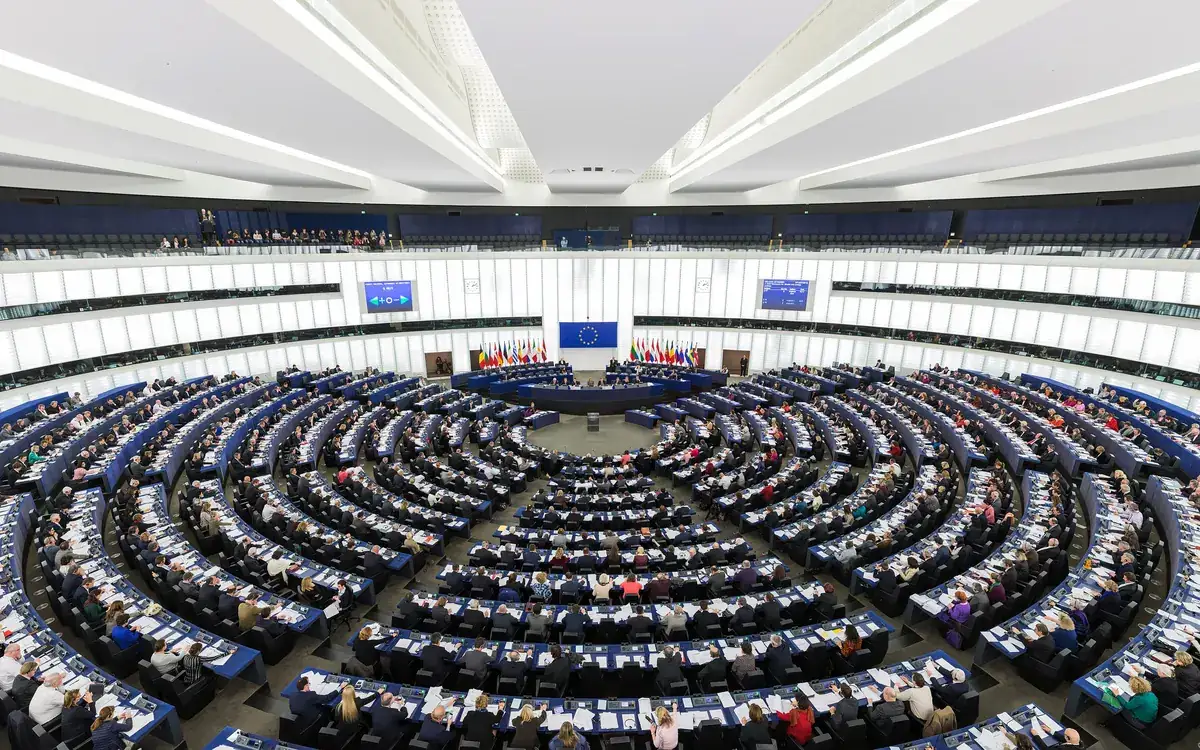
MiCA, short for Markets in Crypto-Assets, is the European Union's rulebook for crypto. It replaces a patchwork of national rules with one regime for the whole bloc: who may run a crypto exchange or wallet service, what token issuers must disclose, and how stablecoins must be backed. Officially it is Regulation (EU) 2023/1114. This explainer covers what it does, what it leaves out, and what it means if you use crypto in Europe. It is educational and not legal or investment advice.
Why the EU created MiCA
Before MiCA, each EU country treated crypto differently. Some had registration rules for anti-money-laundering only, others had none, and a firm licensed in one country could not automatically operate in another. The collapse of firms such as FTX in 2022 also showed how little protection customers had. The European Commission proposed MiCA in 2020 as part of a wider digital finance package. The European Parliament approved it in April 2023, and it was published in the EU's Official Journal in June 2023.
When it took effect
- June 30, 2024: the stablecoin rules (for e-money tokens and asset-referenced tokens) started to apply.
- December 30, 2024: the rest of MiCA applied, including licensing for crypto service providers.
- Transition period: firms already operating under national rules could keep going while they applied, for up to 18 months, so no later than July 1, 2026. Some countries chose shorter windows.
The three types of tokens
MiCA sorts crypto-assets into three groups:
- E-money tokens (EMTs): stablecoins pegged to a single official currency, such as euro or dollar coins. USDC is an example.
- Asset-referenced tokens (ARTs): tokens that track a basket of currencies, commodities or other assets.
- Other crypto-assets: everything else, including bitcoin, ether and most utility tokens.
New tokens offered to the public in the "other" group need a white paper, a standard disclosure document that explains the project, its risks and the rights of holders. The people behind it are responsible for what it says. Bitcoin has no issuer, so there is no white paper requirement on the coin itself, but firms that trade or hold it for customers are still regulated.
How MiCA treats stablecoins
Stablecoins get the toughest rules, because they are meant to work like money. If you are new to them, start with our guide on what a stablecoin is.
- Who can issue: EMTs may only be issued by banks or licensed electronic money institutions.
- Reserves: issuers must hold reserve assets backing the tokens, kept separate and mostly in safe, liquid form.
- Redemption: holders have a legal claim on the issuer and can redeem at face value at any time.
- No interest: issuers may not pay interest to holders.
- Large tokens: stablecoins that grow very big can be classified as "significant" and come under the European Banking Authority (EBA). In October, the EBA named USDC the first significant e-money token.
MiCA also lets authorities limit the use of large stablecoins tied to non-EU currencies as a means of payment. Tokens whose issuers have not been authorized cannot be offered to the public in the EU, which is why several exchanges restricted USDT for European users.
Licences for crypto firms (CASPs)
Firms that provide crypto services to EU customers are called crypto-asset service providers, or CASPs. Covered services include:
- holding crypto for customers (custody);
- running a trading platform;
- exchanging crypto for money or for other crypto;
- executing, receiving or passing on orders;
- placing tokens, giving advice and managing portfolios;
- transferring crypto on behalf of customers.
A CASP applies to the regulator in one member state. Once approved, it can passport its licence across all 30 countries of the European Economic Area (the 27 EU states plus Iceland, Liechtenstein and Norway). In return it must meet rules on minimum capital, governance, keeping customer assets separate from its own, handling complaints, managing conflicts of interest and explaining fees and risks clearly. MiCA also bans insider dealing and market manipulation in crypto markets.
How to check whether a firm is licensed
The European Securities and Markets Authority (ESMA) publishes a register of authorized CASPs, stablecoin issuers and token white papers, plus a list of firms flagged as non-compliant. As of the latest update it listed 375 licensed providers; see our report on BingX and YouHodler joining the register. Before you sign up with an exchange, it is worth checking that its EU entity appears there, and our comparison of centralized vs decentralized exchanges explains the trade-offs between the two models.
What MiCA does not cover
- Most NFTs: unique, non-interchangeable tokens are generally outside MiCA.
- Fully decentralized services: protocols with no company or intermediary running them are largely not covered.
- Tokenized securities: crypto-assets that count as financial instruments, such as tokenized shares, fall under existing securities law instead.
- Central bank digital currencies: a future digital euro is handled separately.
- Your losses: MiCA does not stop prices from falling, and crypto held with a provider is not protected by bank deposit guarantee schemes.
MiCA and the travel rule
Alongside MiCA, the EU's Transfer of Funds Regulation applies the so-called travel rule to crypto, also from December 30, 2024. CASPs must send and receive information about the sender and recipient of every crypto transfer, with no minimum amount. For transfers above €1,000 to or from a self-hosted wallet, providers must take steps to check that the wallet belongs to their customer.
What it means for you
For people in Europe, MiCA mostly means more predictable, more accountable providers: clearer disclosures, separated customer assets and a public register to check. It also means fewer choices in some areas, as unlicensed firms and non-compliant stablecoins leave the market. Self-custody is still allowed, and our guide on how to store crypto safely explains your options.
Frequently asked questions
Does MiCA apply to bitcoin?
Bitcoin itself has no issuer, so there is no white paper requirement for the coin. But exchanges, brokers and custodians that serve EU customers in bitcoin need a MiCA licence.
Is my crypto protected if a MiCA-licensed exchange fails?
MiCA requires licensed firms to keep customer assets separate from their own, which helps in an insolvency. It does not provide a deposit guarantee, and it does not protect against price falls.
Can a firm licensed in one EU country serve customers in another?
Yes. A MiCA licence can be passported across all 30 countries of the European Economic Area after the home regulator notifies the others.
Where can I check whether a crypto firm is authorized under MiCA?
ESMA publishes an interim MiCA register of authorized crypto service providers, stablecoin issuers and white papers, along with a list of non-compliant firms.
This article is for information only and is not financial advice. Crypto assets are volatile; do your own research. Read our disclaimer
More from Regulation
View all →Read next

Hoskinson is writing a new Cardano language: what it would do
Cardano founder Charles Hoskinson says he is personally building a new smart contract language with Aiken co-creator Lucas Rosa. Here is what it is meant to do.

Three jailed over Bristol crypto home invasion foiled by teen
Three men who broke into a Bristol home and beat a man to make him hand over crypto got five to six years. His teenage sister called police and stopped the raid.
Crypto vault deposits top $10B: how they work and the risks
Deposits in DeFi lending vaults have climbed above $10 billion from $4 billion early last year. What curators do, what yields look like and why regulators care.