Janus Henderson's JQQQ puts a licensed Nasdaq-100 fund onchain
Janus Henderson and Centrifuge launched JQQQ, a Nasdaq-licensed Nasdaq-100 fund on Stellar. Why issuer-backed tokens differ from third-party stock tokens.
CryptoGroup Newsroom · · 2 min read
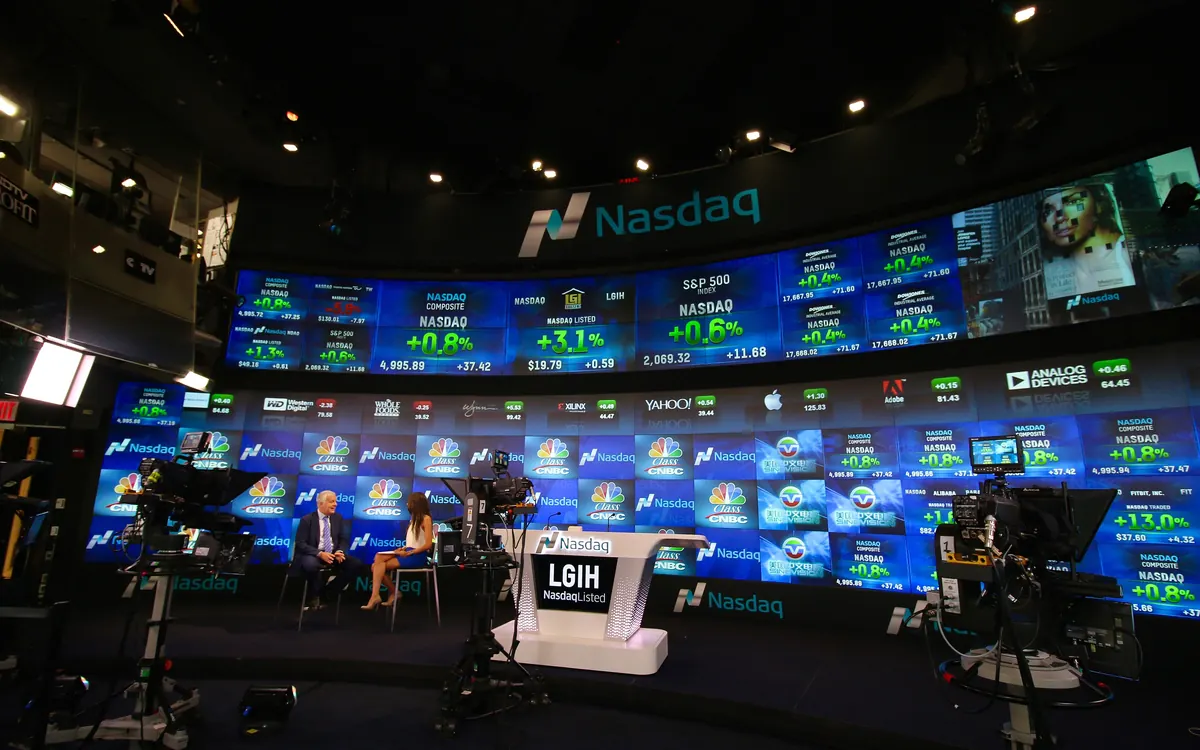
Tokenization becomes much more powerful when the assets investors want to own can also become building blocks for an onchain financial system.
On this page
Janus Henderson, a London-based manager overseeing about $500 billion, has launched JQQQ, a fund that tracks the Nasdaq-100 and lives on the Stellar blockchain. Tokenization platform Centrifuge runs the on-chain infrastructure and Nasdaq licenses the index, CoinDesk reports. It follows last year's Janus Henderson Anemoy S&P 500 Fund (SPXA), the first tokenized index fund licensed by S&P Dow Jones Indices, and takes the firm's on-chain platform past $1 billion across Treasuries, structured credit and equities.
Why this one matters
The interesting part is not the index. It is who stands behind the token. JQQQ is issuer-sponsored: the asset manager creates and runs the fund, and the index owner signs off. That is a very different product from the third-party stock tokens that have spread across crypto venues this year, which may be backed by shares in custody or simply track a price, and often give holders no shareholder rights. We break down those structures in what tokenized stocks are.
The two models are now on a collision course. Companies have started pushing back against blockchain trading of their shares without their consent; 22 of them objected to the OKX-ICE venue, as we covered when Wells Fargo and Cisco joined the objectors. Issuer-backed funds such as JQQQ sidestep that fight because the people who own the brand and the index are inside the tent.
Our take
The tokenization story is moving from "put a Treasury bill on a blockchain" to products designed to be used on-chain, for example as loan collateral or inside DeFi apps. Centrifuge's Anil Sood made exactly that pitch. Nasdaq's Sean Wasserman framed it more cautiously, as demand for access to "established, transparent benchmarks". Both can be true, but the collateral use case still depends on regulators and platforms allowing it, and neither has said when ordinary investors will be able to do that. For the wider trend, see our explainer on what tokenization is.
This article is for information only and is not financial advice. Crypto assets are volatile; do your own research. Read our disclaimer
More from DeFi
View all →Read next

Ark buys $5.2M of Circle as Mizuho flags AI-agent risk to USDC
Ark Invest bought 65,615 Circle shares and sold $15.9M of its ARKB bitcoin ETF as BTC stayed under $80,000, while Mizuho cut its Circle target to $43.
How to buy Ethereum (ETH) safely: a step-by-step guide
How to buy Ethereum safely: choosing a licensed exchange, verification, paying by bank or card, picking the right network, fees, withdrawing ETH and avoiding scams.
Firedancer now charges 1 SOL per bug report to stop AI spam
Jump's Solana client Firedancer now makes researchers burn 1 SOL (~$100) per bug report after a contest drew 809 mostly AI-assisted reports, 127 real findings.