CFTC sues Utah to protect Kalshi's prediction markets
The CFTC has filed a federal lawsuit to stop Utah's attorney general from blocking Kalshi, arguing federal law preempts state gambling bans on event contracts.
CryptoGroup Newsroom · · 3 min read
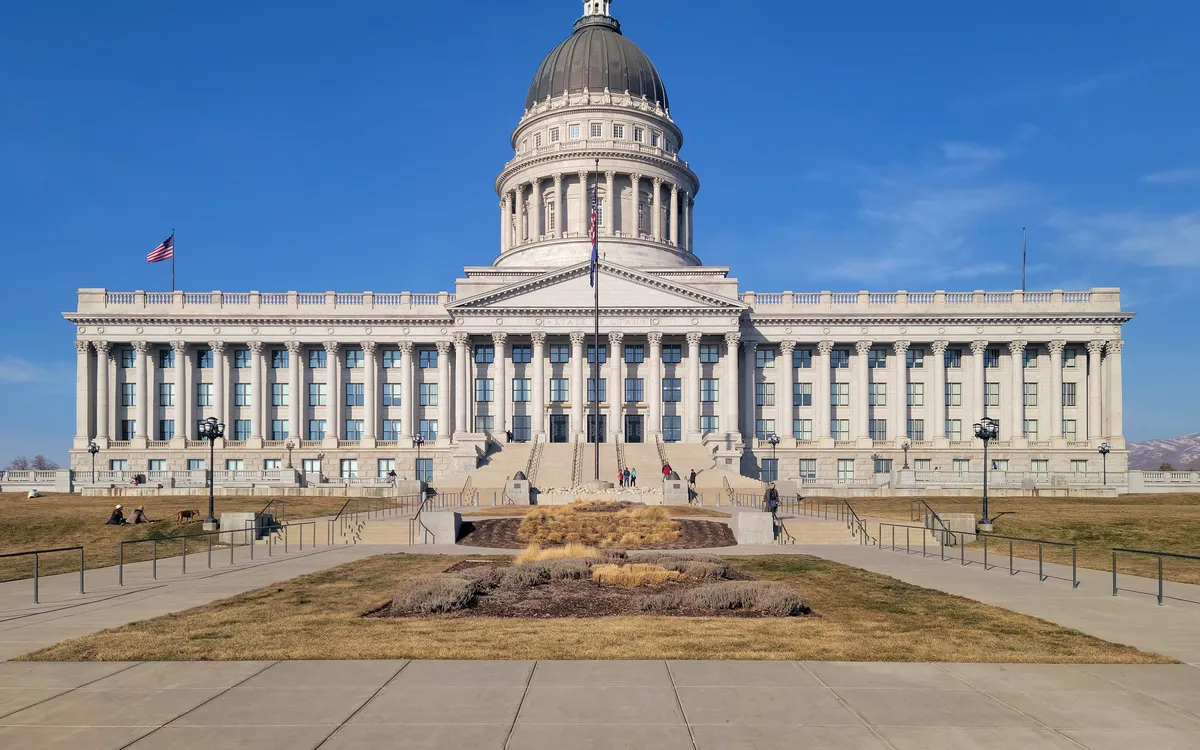
The US Commodity Futures Trading Commission has sued Utah to stop the state from shutting down Kalshi's prediction markets there, escalating a fight over who gets to regulate event contracts. The agency announced the federal lawsuit on Tuesday, a week after Utah's attorney general moved to restrict Kalshi from offering its contracts to residents, CoinDesk reports.
What the CFTC is asking for
- The target: Utah Attorney General Derek Brown's enforcement effort launched last week against Kalshi.
- The argument: federal commodities law gives the CFTC exclusive authority over event contracts traded on the exchanges it regulates, so state gambling laws should not apply to them.
- The stakes for Utah: gambling is banned by the state constitution. Brown said last week that anyone offering gambling to Utahns "is on notice that it is illegal in Utah" and accused Kalshi of running an online casino.
CFTC Chairman Mike Selig defended the contracts in a statement, saying they "provide the public with information about the outcome of future events" as well as serving hedging and investment purposes. If you are new to the products, our guide to prediction markets explains how event contracts are priced and settled.
A patchwork of rulings
Utah has so far had the upper hand: a US district judge sided with the state against Kalshi, and that decision is under appeal. Nationally the picture is split. Three federal appeals courts have ruled on the question, two in favour of the states and one in Kalshi's favour, which makes a Supreme Court showdown more likely.
According to CoinDesk, the CFTC is now litigating against 10 states and has taken part in more than a dozen legal actions to defend its position, despite cuts to its legal staff. Earlier this month Crypto.com and Novig took Missouri to federal court over a similar order.
The other side of the argument
Not everyone who wrote the rules agrees with Selig. Former CFTC chair Gary Gensler, later head of the SEC, told the Supreme Court in a brief that the Dodd-Frank Act "did not transfer jurisdiction over sports betting from the states to the CFTC." Former senator Chris Dodd, one of the law's authors, filed a brief backing the states as well.
The case matters for crypto too: bitcoin price contracts drove a record .7 billion week for Kalshi and Polymarket earlier this month.
Frequently asked questions
Why is the CFTC suing a state?
It argues that federal law makes it the only regulator of event contracts on the exchanges it oversees, so Utah cannot use state gambling law to block Kalshi.
Can Utah residents still use Kalshi?
The legal position is contested. A federal district court sided with Utah, that ruling is on appeal, and the CFTC's new lawsuit asks a court to stop the state's enforcement.
This article is for information only and is not financial advice. Crypto assets are volatile; do your own research. Read our disclaimer
More from Regulation
View all →Read next

What is a private key in crypto? A plain-English guide
A private key is the secret number that controls your crypto. How it differs from a public key, address and seed phrase, and how to keep yours safe.

Robinhood to add Ripple's RLUSD despite backing rival USDG
Ripple's $2.5B RLUSD stablecoin is coming to the Robinhood app by end-2026 and will settle Bitstamp trades on the XRP Ledger. How it sits next to Paxos's USDG.

Brazil's companies piled into stablecoins on election day
Corporate accounts made 78% of Mercado Bitcoin's election-day volume as USDT trading jumped nearly 800%. Next day the Ibovespa fell 14% and the dollar rose 8%.