Utah files 14 criminal charges against Kalshi and its founders
Utah charged Kalshi and co-founders Tarek Mansour and Luana Lopes Lara with 14 counts, including a felony, after an undercover agent placed 12 sports bets.
CryptoGroup Newsroom · · 3 min read
On this page
Utah has filed criminal charges against prediction-market operator Kalshi and both of its co-founders, accusing the company of promoting illegal gambling in the state, CoinDesk reported on Thursday. The move escalates a fight that has already pulled in the federal derivatives regulator.
What Utah is alleging
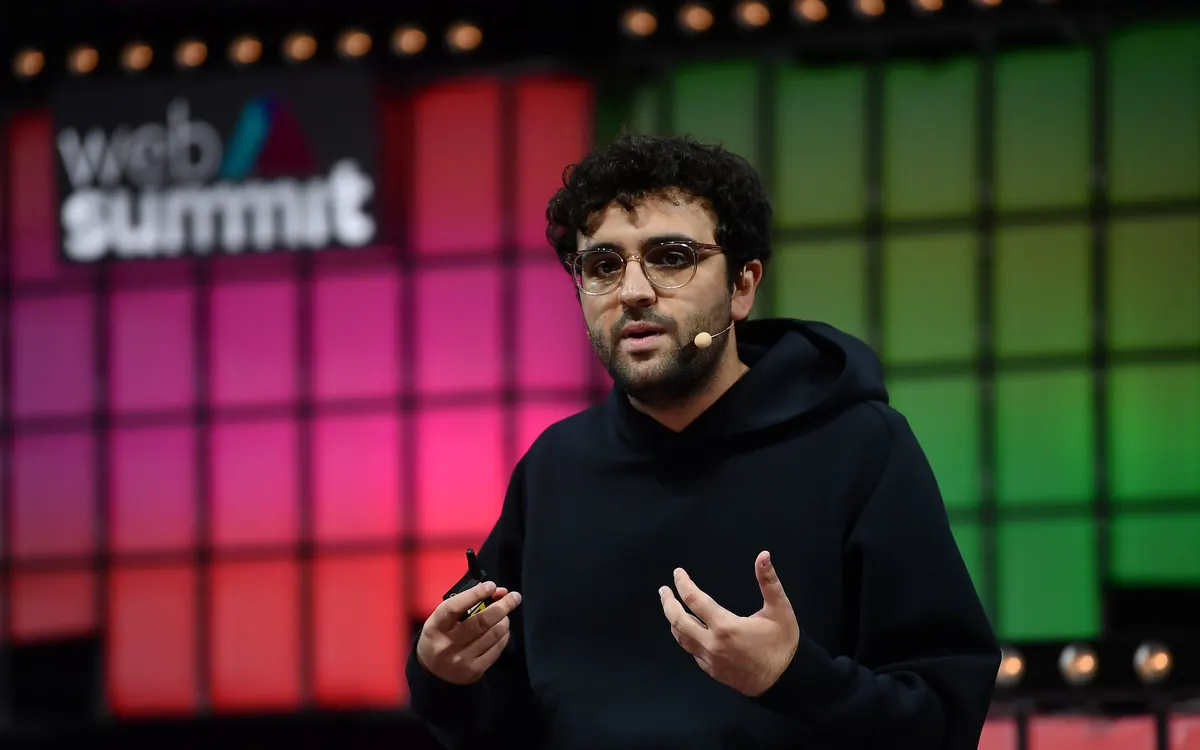
Prosecutors brought 14 counts against KalshiEX LLC, CEO Tarek Mansour and co-founder Luana Lopes Lara:
- 1 felony count of a pattern of unlawful activity;
- 12 counts of promoting online gambling;
- 1 misdemeanour gambling charge.
The evidence comes from an undercover agent at the Utah Attorney General's Office who, in September, opened access with a local address, phone number and debit card and was allowed to place 12 separate sports wagers. The state says that shows Kalshi accepted and promoted bets inside Utah. Kalshi had not responded to CoinDesk's request for comment at publication time.
Civil suit, criminal case, federal counter-suit
The criminal filing lands days after Utah's attorney general sued Kalshi in civil court to stop it taking bets from residents and to recover profits made in the state. Using both routes at once raises the stakes for the company and, unusually, for its founders personally.
Kalshi's position is that its sports contracts are not bets but event contracts, a form of derivative overseen by the Commodity Futures Trading Commission. The CFTC agrees: earlier this week it sued Utah in federal court, arguing federal law pre-empts state gambling bans on these products. Utah, like a growing list of states, says the contracts are gambling and fall under state law and state gambling taxes.
Not just Utah
Arizona, Connecticut, Massachusetts, Michigan and Nevada have also filed charges, taken civil action or restricted access to the platform, according to CoinDesk, and crypto-native rival Polymarket faces similar state-level complaints. If you are new to the sector, our explainer on what prediction markets are covers how event contracts work and why their legal status is contested. The scale of the business is part of why states are pushing back: Kalshi and Polymarket recently logged a record $2.7 billion week.
What to watch
The key question is which court moves first: a federal ruling for the CFTC could undercut Utah's case, while a state conviction would embolden other states. For users, nothing changes overnight, but access from states hostile to event contracts may become harder.
Frequently asked questions
Who did Utah charge?
KalshiEX LLC and its co-founders Tarek Mansour and Luana Lopes Lara, with 14 counts in total, including one felony.
What is the evidence?
Twelve sports wagers placed in September by an undercover agent from the Utah Attorney General's Office using a Utah address, phone number and debit card.
Why does the CFTC side with Kalshi?
The CFTC treats Kalshi's event contracts as federally regulated derivatives and argues states cannot ban them with gambling laws. It has sued Utah on that basis.
This article is for information only and is not financial advice. Crypto assets are volatile; do your own research. Read our disclaimer
More from Regulation
View all →Read next

Bitcoin Core discloses AI-found bug that crashed Windows, Mac nodes
Bitcoin Core published three bugs found by an AI code scan, including a remote memory crash on Windows, macOS and BSD nodes. Fixes shipped Oct. 27; update now.

Fed holds rates at 3.75%–4%; bitcoin steady near $81,000
The Fed kept rates at 3.75%–4% in a 10–2 vote, with Cook and Hammack backing a hike. Bitcoin held near $81,000 as traders eyed a possible December increase.
Coinbase Q3 earnings: what to watch after Robinhood's crypto slump
Coinbase reports Q3 results on Thursday after Robinhood's crypto revenue fell 55%. Analyst forecasts for volume, revenue, stablecoin income and derivatives.