Singapore police: tampered Ledger wallets cost users $2.7M
Singapore police say two cases involving tampered Ledger wallets bought from local stores caused about S$3.5M ($2.7M) in losses, with the first reported on Sept. 10.
CryptoGroup Newsroom · · 3 min read
On this page
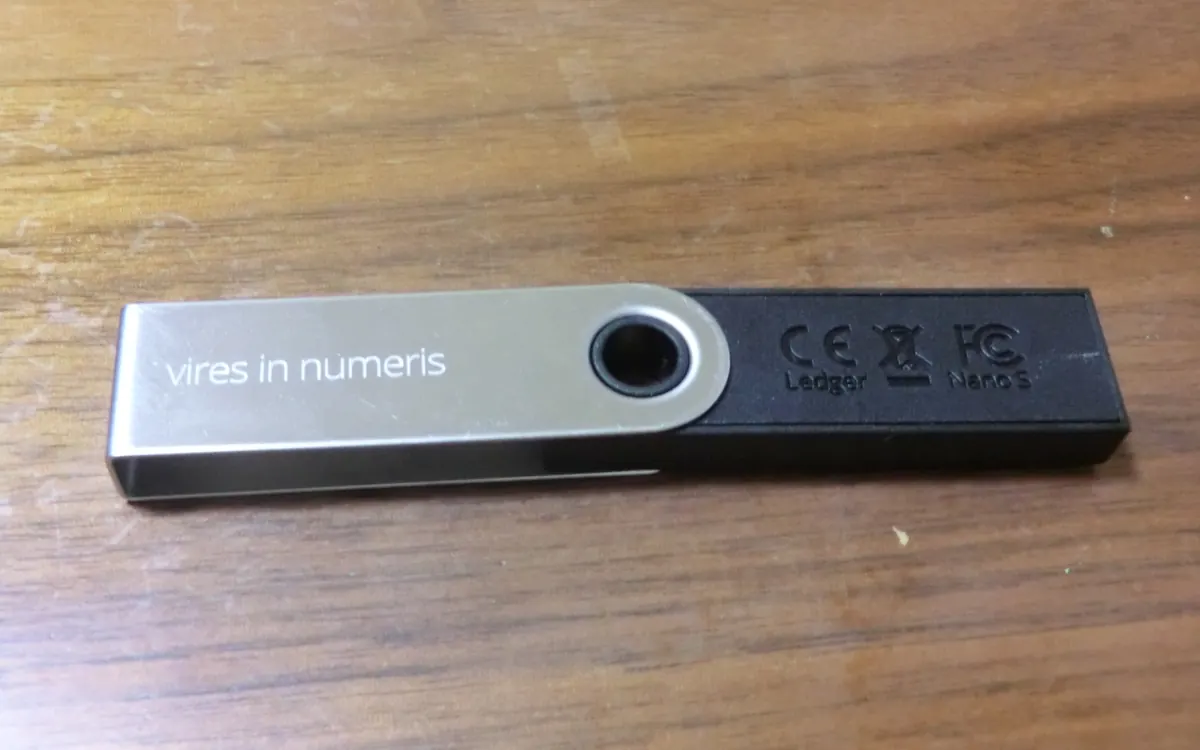
Singapore police say tampered Ledger hardware wallets bought from local retailers have cost users about 3.5 million Singapore dollars ($2.7 million) across at least two cases, the first reported on Sept. 10, Cointelegraph reported. That puts the earliest local complaint almost a month before the wider implant scandal surfaced.
What police found
In an advisory published on Wednesday, the Singapore Police Force said preliminary investigations had found malicious hardware components inside Ledger wallets purchased from some retail stores in the city-state. Police say they are in contact with Ledger, which is reviewing the affected cases, and that investigations are continuing.
The figure adds a concrete local loss total to an incident that so far had been told mostly through individual victims and blockchain tracing, such as the scammer who lost $4.8 million to rigged devices.
How the tampered-Ledger case unfolded
Sep 10
First Singapore report
The earliest of at least two local cases is reported to police.
Oct 9
Scandal goes public
Losses are linked to devices sold through CryptoBilis, an authorised reseller in Indonesia, Malaysia and the Philippines.
Mid-Oct
Airport device
Former Mt. Gox CEO Mark Karpelès says a Ledger Flex bought at Singapore's airport contained a spy implant.
Oct 13
Sales paused
Ledger asks retailers in Indonesia, Singapore, Thailand, the Philippines, Vietnam, Malaysia and Hong Kong to suspend sales.
Oct 28
Police advisory
Singapore police confirm about S$3.5 million in losses across at least two cases.
Another user has said a tampered device came from local IT retailer Challenger and that Ledger later sent him a replacement. The pattern is the same throughout: the device looked genuine, but extra hardware inside could leak secrets. Karpelès has argued Ledger's early implant warnings deserved more action.
How to protect yourself
- Buy hardware wallets directly from the manufacturer or a reseller listed on its site, and treat airport and marketplace stock with suspicion.
- Never use a device that arrives with a pre-filled recovery phrase or a broken seal.
- Run the maker's genuineness check before loading funds; our step-by-step guide on how to check if a hardware wallet is genuine covers Ledger, Trezor and others.
- If you already use a device bought from a suspended retailer, consider moving funds to a new wallet with a fresh recovery phrase.
This article is for information only and is not financial advice. Crypto assets are volatile; do your own research. Read our disclaimer
More from Security
View all →Read next
Bitcoin Core discloses AI-found bug that crashed Windows, Mac nodes
Bitcoin Core published three bugs found by an AI code scan, including a remote memory crash on Windows, macOS and BSD nodes. Fixes shipped Oct. 27; update now.

Fed holds rates at 3.75%–4%; bitcoin steady near $81,000
The Fed kept rates at 3.75%–4% in a 10–2 vote, with Cook and Hammack backing a hike. Bitcoin held near $81,000 as traders eyed a possible December increase.

Coinbase Q3 earnings: what to watch after Robinhood's crypto slump
Coinbase reports Q3 results on Thursday after Robinhood's crypto revenue fell 55%. Analyst forecasts for volume, revenue, stablecoin income and derivatives.