Itaú is first Brazilian bank to register crypto brokerage
Itaú Unibanco notified Brazil's central bank of its crypto trading and custody service ahead of the Oct. 30 deadline. 5 things to know about the new rules.
CryptoGroup Newsroom · · 2 min read
On this page
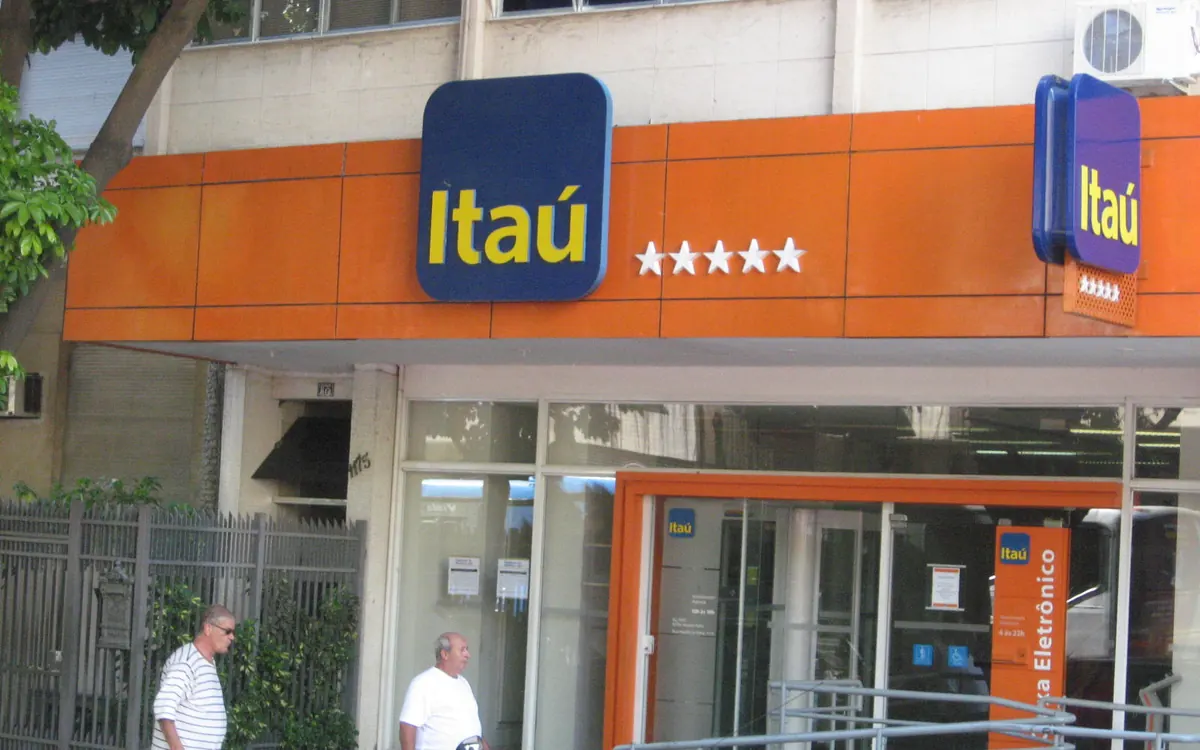
Itaú Unibanco, Brazil's largest private bank, has become the first bank in the country to formalize its crypto trading and custody business under the central bank's new digital-asset rules. It filed its notification on Tuesday, Oct. 27, ahead of an Oct. 30 deadline, CoinDesk reports, citing local outlet Valor Econômico. Here is what the move means.
Banks notify, crypto firms apply
Brazil's framework treats the two groups differently. Banks that already hold a central bank authorization can simply notify the regulator that they offer crypto services. Dedicated virtual-asset service providers (VASPs), such as exchanges, must apply for authorization to operate.
Itaú now counts as a crypto brokerage
Because Itaú both trades and holds crypto for clients, its service fits the brokerage category under the rules. The bank lists 15 crypto assets, including bitcoin, ether and the USDC stablecoin. It has run the service since December 2023 but has not published customer numbers or trading volumes. Holding coins for clients is a job with its own risks; our explainer on what crypto custody is covers them.
A 270-day window closes on Oct. 30
The central bank's Resolution 520 took effect on Feb. 2 and gave eligible institutions already active in crypto 270 days to notify it. Each filing must include an independent technical certification that the firm meets the requirements. Institutions that miss the deadline have to stop offering crypto services within 30 days.
Exchanges face the same date
The Oct. 30 cut-off also applies to authorization requests from crypto-only firms that were operating when the rules began. Local exchange Mercado Bitcoin has said it is seeking a brokerage authorization, and Binance has applied for a Brazilian licence while delisting 22 tokens.
Nov. 6: no business with unlicensed providers
In September the central bank moved to Nov. 6 the date after which banks and other authorized institutions may no longer deal with crypto providers that lack authorization. Demand is clearly there: Brazilian companies piled into stablecoins on election day. For first-time buyers, our guide on how to buy bitcoin explains what to check before choosing a platform.
This article is for information only and is not financial advice. Crypto assets are volatile; do your own research. Read our disclaimer
More from Regulation
View all →Read next
What is Solana (SOL)? How it works, uses and risks
Solana explained: how proof of history and Alpenglow make it fast, what SOL is used for, supply and inflation, staking, wallets and the main risks.

Securitize adds Stellar as tokenization race heats up
Securitize, issuer of BlackRock's BUIDL fund, now supports Stellar next to Ethereum, Solana and Avalanche. Why a compliance-friendly chain matters to issuers.

Bitcoin ETFs add $176M as ether funds keep bleeding
US spot bitcoin ETFs took in $176M on Tuesday, $286M in two days, cutting October outflows to $26M. Ether ETFs lost $149M more and $1.32B this month.