CFTC's Selig: who is liable if an AI trading agent goes rogue?
At a CFTC forum, chairman Mike Selig called AI a road to autonomous trading and asked whether agent developers must register and if 'know your agent' rules are needed.
CryptoGroup Newsroom · · 2 min read
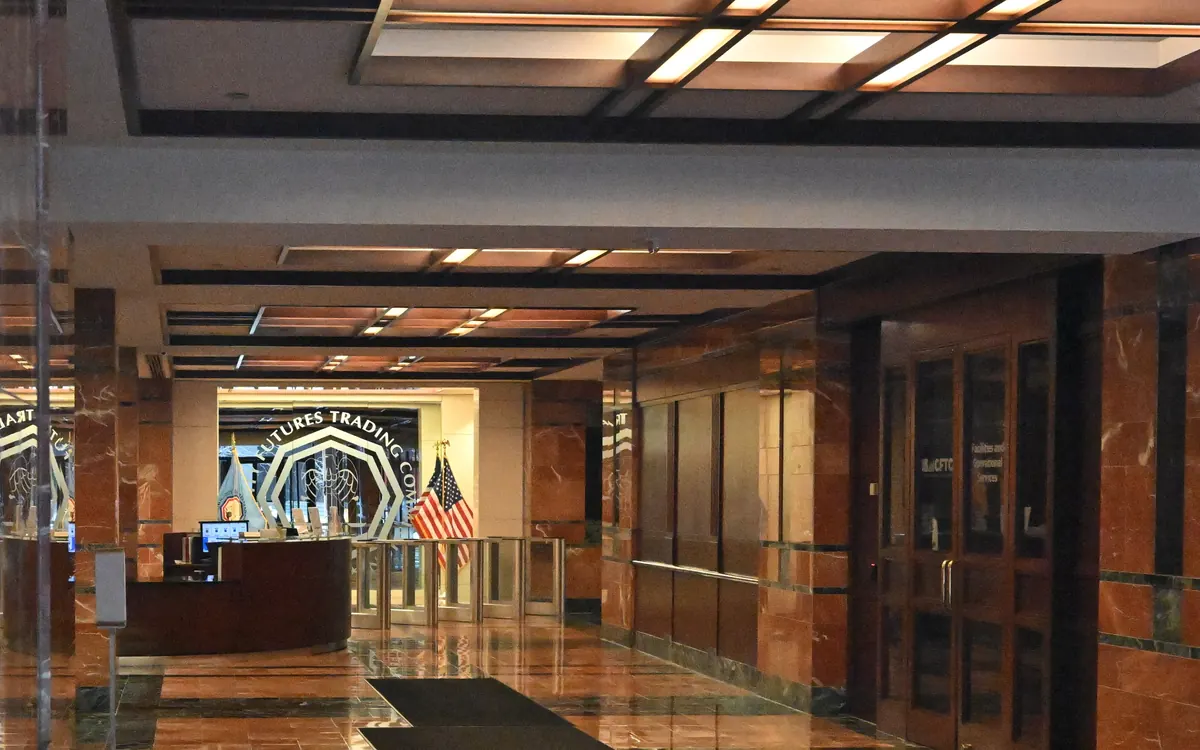
Does the developer of that agent become subject to registration? Who's liable if the agent goes rogue?
The chairman of the US Commodity Futures Trading Commission, Mike Selig, used a forum on artificial intelligence on Wednesday to describe AI agents as the next step towards "increasingly autonomous trading systems", while admitting the agency has not worked out how to police them. His questions were more revealing than his optimism, CoinDesk reports.
The questions on the table
Selig sketched an agent that spots trades and executes them for a user, then asked whether its developer would have to register and who would be liable if it went rogue. He also asked how regulators would even know whom an agent, or a swarm of agents, is acting for, floating the idea of "know your agent" (KYA) checks alongside the familiar know-your-customer rules. Following the Trump administration's preferred wording, he and the panellists called the technology "superintelligence".
Why crypto is the template
Selig said the CFTC had already faced similar questions in crypto, where developers long worried that publishing code or building a front end could trigger rules written for brokers. His agency has spent the year trying to give clearer answers, from approving US-listed perpetuals to a court fight with CME over them; see our report on the CFTC–CME standing fight and our explainer on perpetual futures.
Our take
The questions are the right ones, and they are not hypothetical. Brett Harrison, CEO of AI derivatives firm Architect and a former president of FTX's US arm, told the panel that consumer tools such as Claude, ChatGPT and Gemini already let traders turn a news item into a trading decision, and that far more participants now run "black box" algorithms. Retail crypto users are already handing control to software through bots and copy-trading products, where one bad signal is repeated across thousands of accounts.
Liability is the hard part. If an agent built by one firm, running on a model from another and trading through a third venue loses a client's money, today's rules do not say clearly who pays. A KYA regime would at least tie each agent to an accountable human or company. Until that exists, anyone letting an agent trade for them is carrying that risk themselves.
The CFTC said it will hold another roundtable, on 24/7 trading, on Dec. 15.
This article is for information only and is not financial advice. Crypto assets are volatile; do your own research. Read our disclaimer
More from Regulation
View all →Read next

Fed holds rates at 3.75%–4%; bitcoin steady near $81,000
The Fed kept rates at 3.75%–4% in a 10–2 vote, with Cook and Hammack backing a hike. Bitcoin held near $81,000 as traders eyed a possible December increase.
How do interest rates affect bitcoin and crypto prices?
Why Fed rate hikes and cuts move bitcoin: opportunity cost, liquidity, the dollar, leverage and stablecoin yields, with 2020–2026 examples and what to watch.
Coinbase Q3 earnings: what to watch after Robinhood's crypto slump
Coinbase reports Q3 results on Thursday after Robinhood's crypto revenue fell 55%. Analyst forecasts for volume, revenue, stablecoin income and derivatives.