Solana's Alpenglow switches on today, targeting 150 ms finality
Solana replaces its 2020-era voting system with Alpenglow on 21 October, aiming to cut finality to about 150 ms and validator vote costs by about 60%.
CryptoGroup Newsroom · · 3 min read

Solana is switching on Alpenglow today, the largest change to how the network agrees on blocks since it launched in 2020, with the goal of making transactions irreversible in about 150 milliseconds instead of roughly six seconds, CoinDesk reports. The date was set last week, as we covered when Solana scheduled Alpenglow for 21 October.
When the switch happens
- Feature gate: activates at the start of epoch 1064, which the Solana Foundation's upgrade page estimates at about 13:20 UTC on Wednesday. Epoch start times drift with slot speed, so that is an estimate.
- Handoff: the old TowerBFT system keeps running for another 5,000 slots. Alpenglow takes over at slot 459,653,000, which developer Anza projects for around 14:00 UTC.
- Validators must run an Agave-based client at version 4.3.2 and hold at least 0.8 SOL in their vote account to keep voting.
What changes
Today every validator posts its votes onto the chain as ordinary transactions, and a payment is final only once enough votes pile up. Alpenglow takes that voting off the chain and bundles votes into certificates that can finalise a block in one or two rounds. If the 150 ms target holds on mainnet, settlement would feel closer to a card payment or a centralized exchange trade than to a typical blockchain.
There is a cost angle too. Validators currently spend about 2 SOL a day on vote fees, CoinDesk notes. Alpenglow replaces them with a flat validator admission ticket of 0.8 SOL per epoch (about 24 hours), roughly 60% cheaper. For background on how validators and staking secure networks like Solana, see our explainer on proof of work vs proof of stake.
The bumpy road to mainnet
Testing was not smooth. According to a post from Galaxy Digital, one of about 100 operators on the test network, that network was wiped and restarted six times since early May, and one migration attempt failed network-wide and had to be rolled back before a later one succeeded. No real funds were at risk.
Expect one visible side effect: Solana's transaction count will look much lower this week, because validator votes made up most of it. "The trading's all still there," Raiku CEO Robin Nordnes told CoinDesk. The change also lands as Fidelity questions how concentrated Solana's stake is.
Frequently asked questions
When does Alpenglow go live on Solana?
It activates with epoch 1064 on 21 October 2026, expected around 13:20 UTC, and consensus hands over at slot 459,653,000, projected for about 14:00 UTC. Exact times depend on slot speed.
Do SOL holders need to do anything?
No action is required from ordinary users; wallets and apps are expected to keep working. Validators must upgrade their client and fund the 0.8 SOL admission ticket.
Why will Solana's transaction count fall?
Validator votes used to be recorded as on-chain transactions. Under Alpenglow they move off-chain, so the headline transaction count drops even if user activity is unchanged.
This article is for information only and is not financial advice. Crypto assets are volatile; do your own research. Read our disclaimer
More from Altcoins
View all →Read next
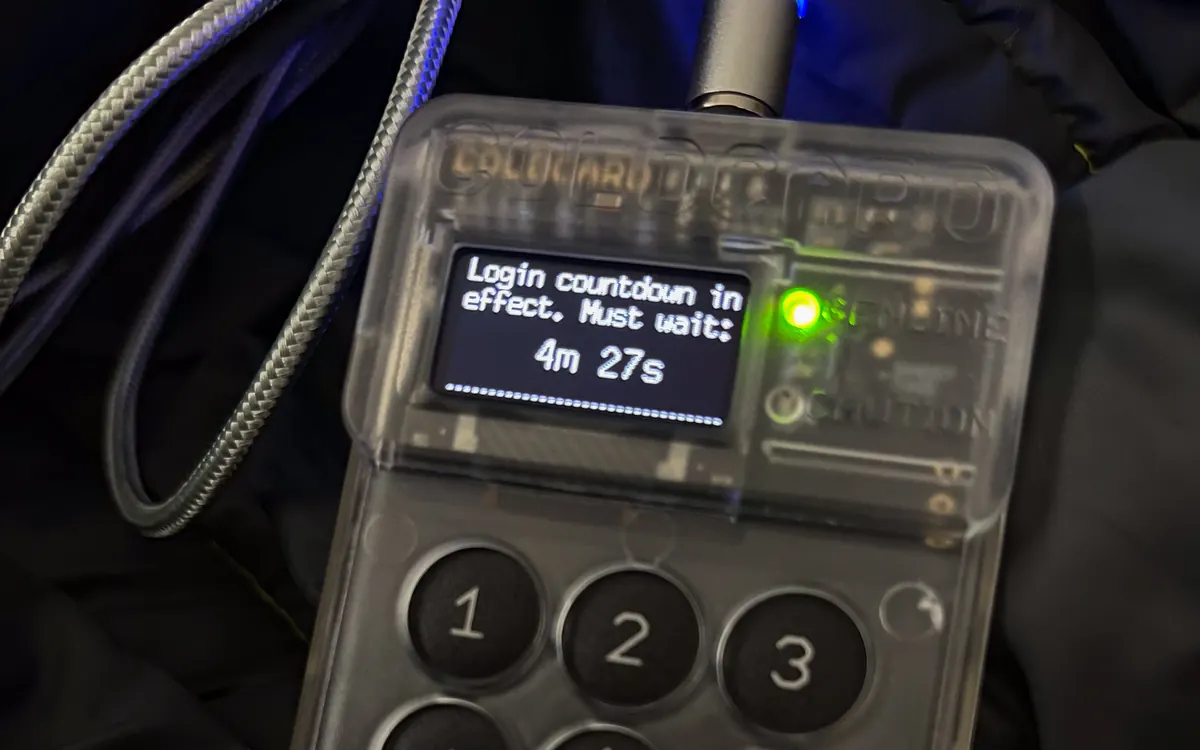
What is a seed phrase? Recovery words explained
A seed phrase is the 12 or 24 words that can rebuild your crypto wallet. Learn how it is generated, why randomness matters and how to back it up safely.
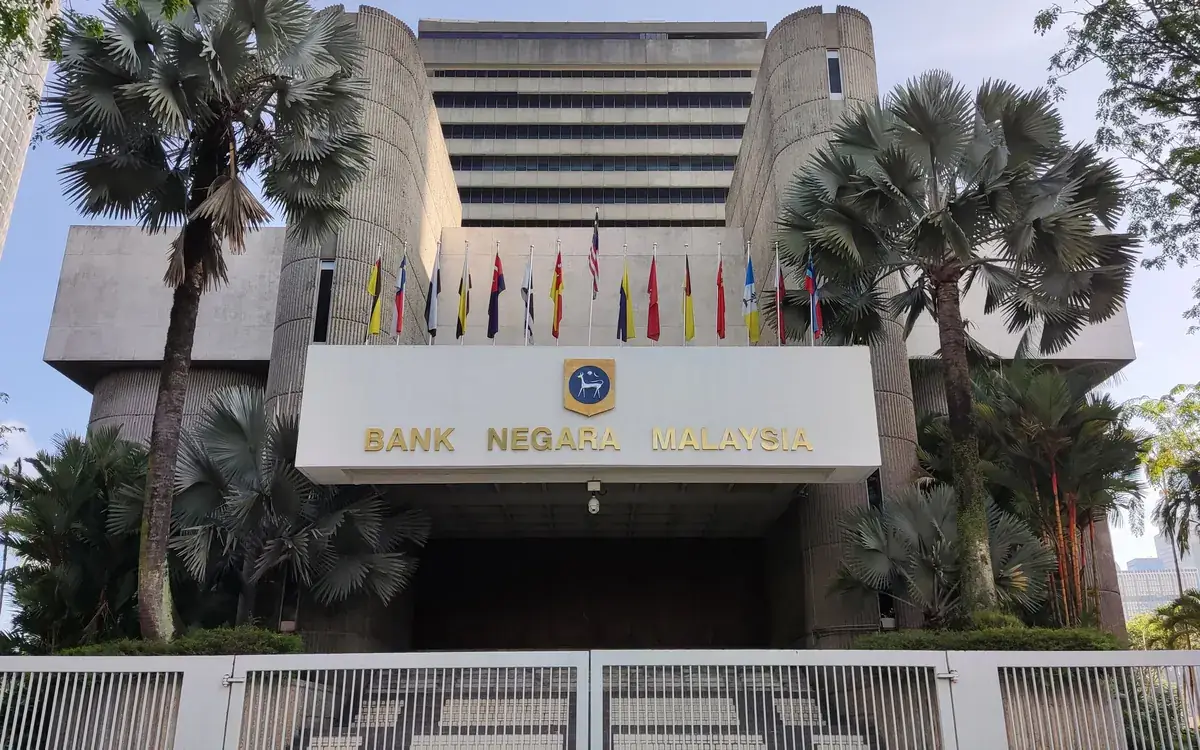
Malaysia's central bank launches SSDS+ for tokenized bonds
Bank Negara Malaysia launched SSDS+, a cloud and DLT platform for tokenized bonds and sukuk that settles 24/7 in central bank money via RENTAS+.
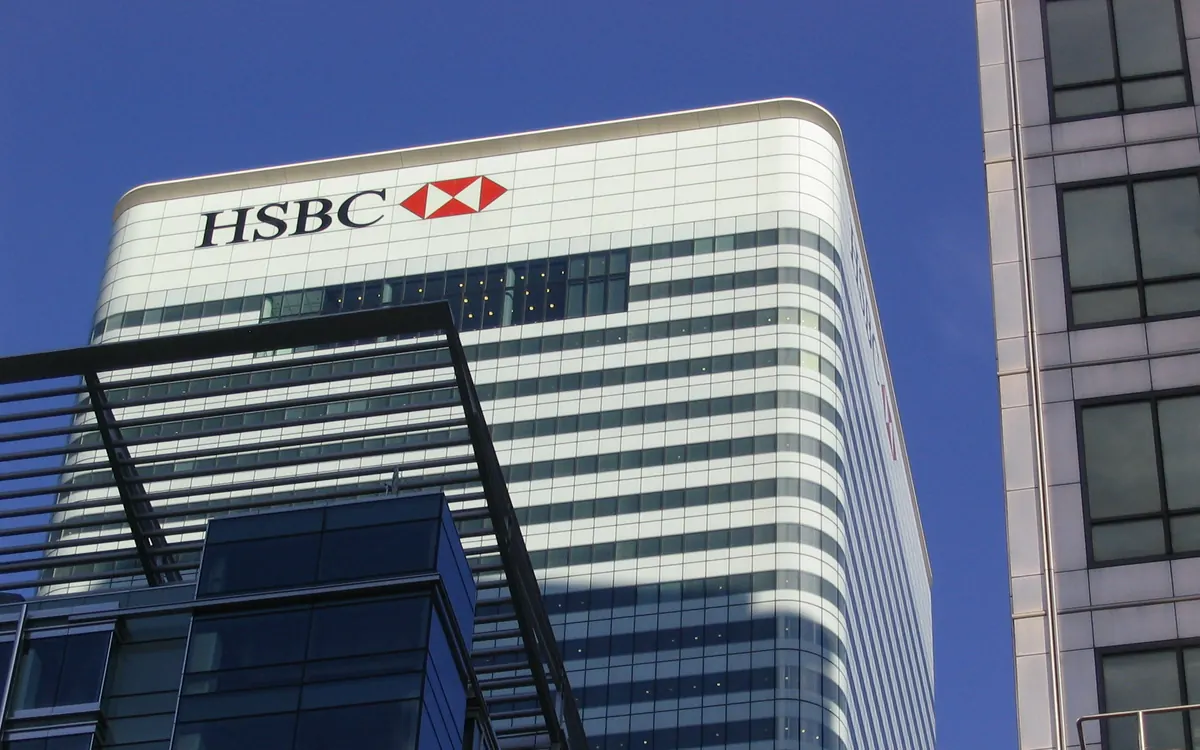
HSBC: Ripple Prime's 24/7 stock swaps face thin liquidity
HSBC calls Ripple Prime's 24/7 swaps on stocks, gold and oil 'evolutionary, not revolutionary', warning that thin markets may limit big institutional trades.