Malaysia's central bank launches SSDS+ for tokenized bonds
Bank Negara Malaysia launched SSDS+, a cloud and DLT platform for tokenized bonds and sukuk that settles 24/7 in central bank money via RENTAS+.
CryptoGroup Newsroom · · 3 min read
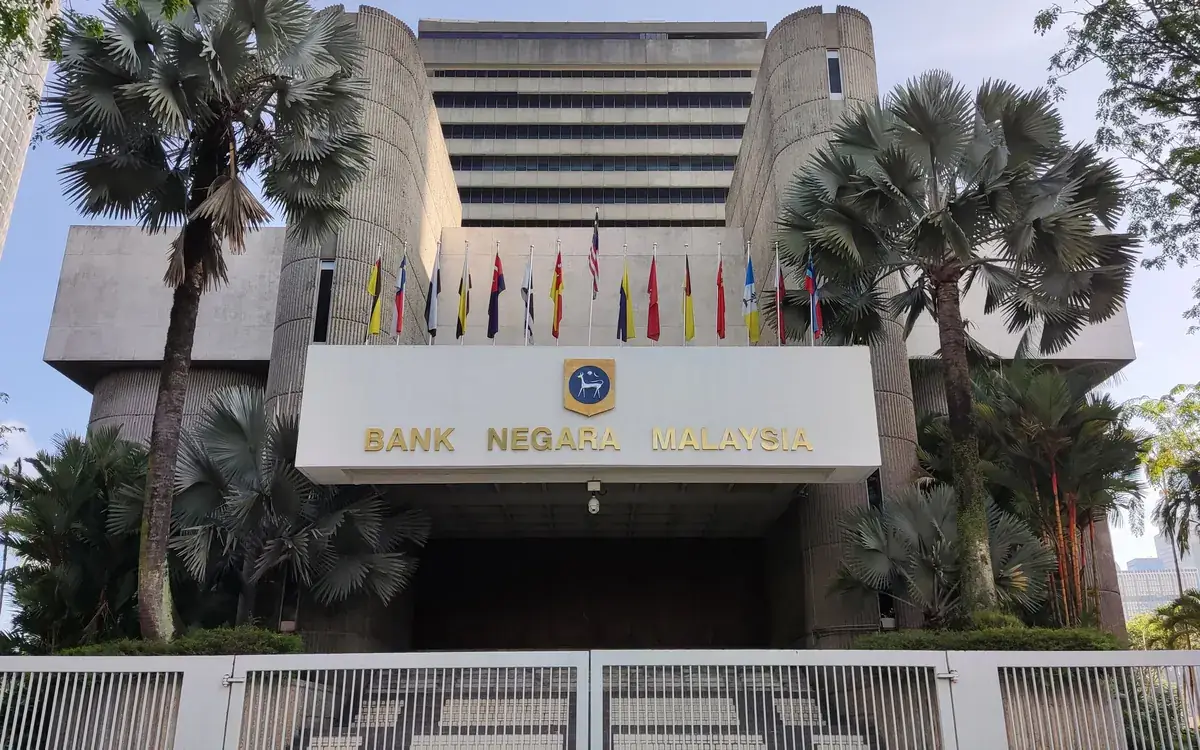
Bank Negara Malaysia (BNM) has launched SSDS+, a new platform for issuing, holding and safekeeping tokenized bonds and sukuk (Islamic bonds), linked to a payment system that settles in central bank money 24 hours a day, the central bank said in a statement on 20 October. Cointelegraph noted that no securities issued on the platform or trading volumes have been disclosed so far.
What is SSDS+?
SSDS is Malaysia's Scripless Securities Depository System, the central securities depository for the country's wholesale bond market. SSDS+ is its next generation, developed in-house by BNM using cloud and distributed ledger technology (DLT). In plain terms, it is the official register that records who owns which bond, now able to represent those bonds as digital tokens.
BNM says digital representation can simplify transactions, give issuers more freedom in how they design instruments and widen access for investors. Beyond wholesale issues, the bank says SSDS+ is ready to support tokenized government and corporate retail bonds.
How settlement works
A bond trade has two legs: the security and the cash. SSDS+ handles the first, transferring the tokens and updating ownership records. The second goes through RENTAS+, BNM's upgraded Real Time Electronic Transfer of Funds and Securities system, launched in October 2025, which moves the payment in central bank money.
Because RENTAS+ runs around the clock, the pair can settle tokenized bond deals at any hour, not only during banking hours. That is the same "always-on" argument stablecoin firms make; see our guide to what a stablecoin is for how private tokenized dollars differ from central bank settlement.
Why it matters
- Market size: Malaysia's bond and sukuk market stood at about RM2.35 trillion (around $575.6 billion) at the end of June 2026, with sukuk more than 60% of it in 2025, according to figures reported by Digital News Asia.
- Roadmap: BNM published a three-year asset tokenization plan in late 2025, with pilots in 2026 and wider adoption considered from 2027. Earlier this year it tested ringgit stablecoins and tokenized deposits with banks including Standard Chartered, CIMB and Maybank.
- Global trend: it joins market-infrastructure moves such as the DTCC's tokenization service. For the wider idea of putting traditional securities on a ledger, see what tokenized stocks are.
Governor Abdul Rasheed Ghaffour called the launch "a major milestone in modernising Malaysia's financial market infrastructure". The next thing to watch is the first actual issue on SSDS+ and whether a retail tokenized bond follows.
This article is for information only and is not financial advice. Crypto assets are volatile; do your own research. Read our disclaimer
More from Regulation
View all →Read next
What is a seed phrase? Recovery words explained
A seed phrase is the 12 or 24 words that can rebuild your crypto wallet. Learn how it is generated, why randomness matters and how to back it up safely.
HSBC: Ripple Prime's 24/7 stock swaps face thin liquidity
HSBC calls Ripple Prime's 24/7 swaps on stocks, gold and oil 'evolutionary, not revolutionary', warning that thin markets may limit big institutional trades.
Mastercard opens AI agent payments to developers: how it works
Mastercard opened early access to Agent Pay for Machines, an x402-based system that lets AI agents pay for services within a human-set budget, settled via Base.