HSBC: Ripple Prime's 24/7 stock swaps face thin liquidity
HSBC calls Ripple Prime's 24/7 swaps on stocks, gold and oil 'evolutionary, not revolutionary', warning that thin markets may limit big institutional trades.
CryptoGroup Newsroom · · 2 min read
On this page
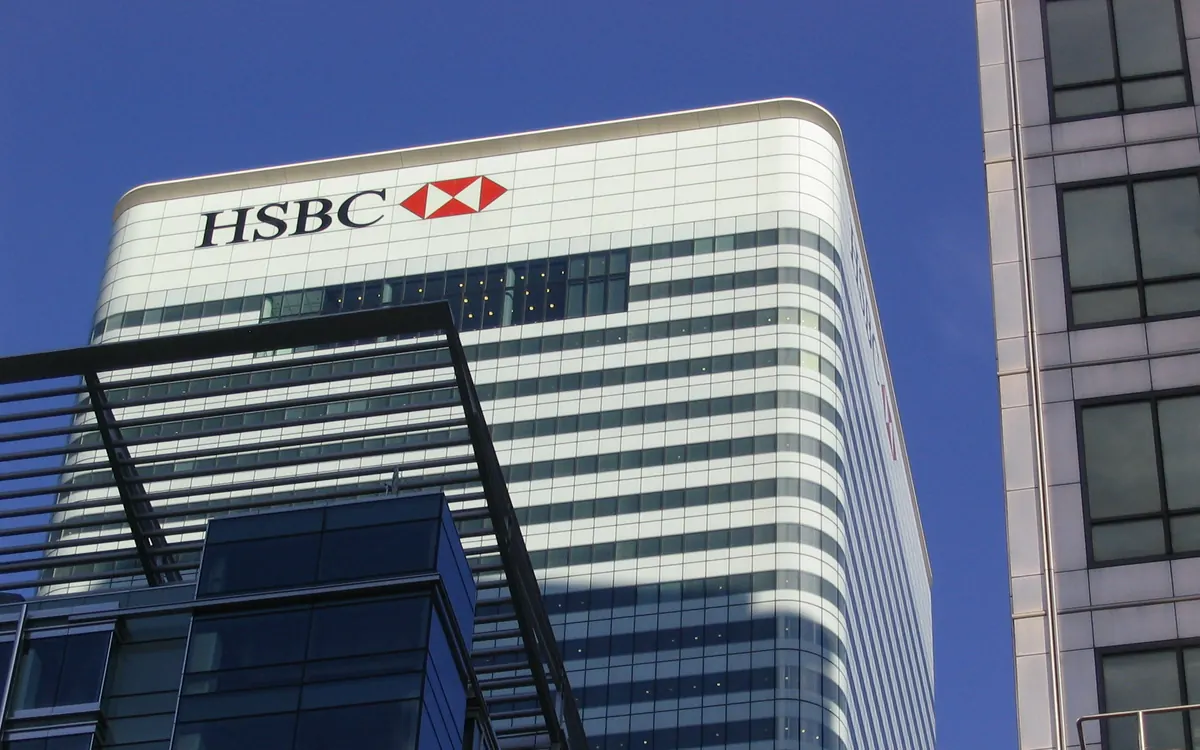
HSBC says Ripple Prime's new round-the-clock swaps on stocks, commodities and currencies are a step forward but not a game-changer, because the markets behind them are still too thin for large institutional positions. Daragh Maher, HSBC's head of digital assets research, called the product "evolutionary, not revolutionary" in a client note seen by CoinDesk. Here are the key points.
What Ripple Prime launched
Ripple Prime, the brokerage formerly called Hidden Road, now lets institutional clients trade swaps tied to more than 100 markets, including shares, gold and oil, at any hour, as we reported when Ripple added RWA swaps linked to Hyperliquid. A swap pays out according to price moves, so the client gets exposure without buying the asset. Clients can post Ripple's RLUSD stablecoin as collateral, and trading firm Virtu is already using the service, Ripple said on 15 October.
The prices come from Hyperliquid
The swaps track perpetual futures listed by Trade.xyz, a platform for stock and commodity contracts on the Hyperliquid derivatives exchange. Perpetuals never expire and trade nonstop, which is what lets a fund take a view on gold on a Sunday. Our explainer on what perpetual futures are covers how funding and leverage work.
HSBC's main worry: depth
"This is a rapidly growing market but not a very big one when compared to the Trad Fi markets they are tracking," Maher wrote. He argued the stronger case for the product will come once there is enough depth for investors to adjust risk while traditional exchanges are shut. A fund moving millions of dollars still needs someone to take the other side at a fair price.
Weekends already showed the risk
Last Saturday nearly $52 million of leveraged chip-stock positions were liquidated within 10 minutes while the underlying shares were not trading, leaving contracts with no fresh stock prices to follow. We covered that episode in chip-stock perps' $52 million weekend wipeout.
Who HSBC expects to use it first
Until liquidity improves, HSBC expects activity to cluster among market makers, proprietary traders and hedge funds running basis trades, which profit from price gaps between a contract and its underlying asset, rather than institutions seeking long-term hedges. The bank said Ripple's success will depend on whether the service is cheaper, simpler and uses collateral more efficiently than existing brokers. The swaps are offered under Ripple Prime's British Virgin Islands licence.
This article is for information only and is not financial advice. Crypto assets are volatile; do your own research. Read our disclaimer
More from Markets
View all →Buying guide
Crypto ETF vs ETP vs ETN: what's the difference?
Read next

What is a seed phrase? Recovery words explained
A seed phrase is the 12 or 24 words that can rebuild your crypto wallet. Learn how it is generated, why randomness matters and how to back it up safely.
Malaysia's central bank launches SSDS+ for tokenized bonds
Bank Negara Malaysia launched SSDS+, a cloud and DLT platform for tokenized bonds and sukuk that settles 24/7 in central bank money via RENTAS+.

Mastercard opens AI agent payments to developers: how it works
Mastercard opened early access to Agent Pay for Machines, an x402-based system that lets AI agents pay for services within a human-set budget, settled via Base.