Zcash team plans one key per swap to beat quantum snooping
Zakura wants each ZEC swap via NEAR Intents to get its own viewing key, so a future quantum computer couldn't use one public refund address to map a wallet.
CryptoGroup Newsroom · · 3 min read
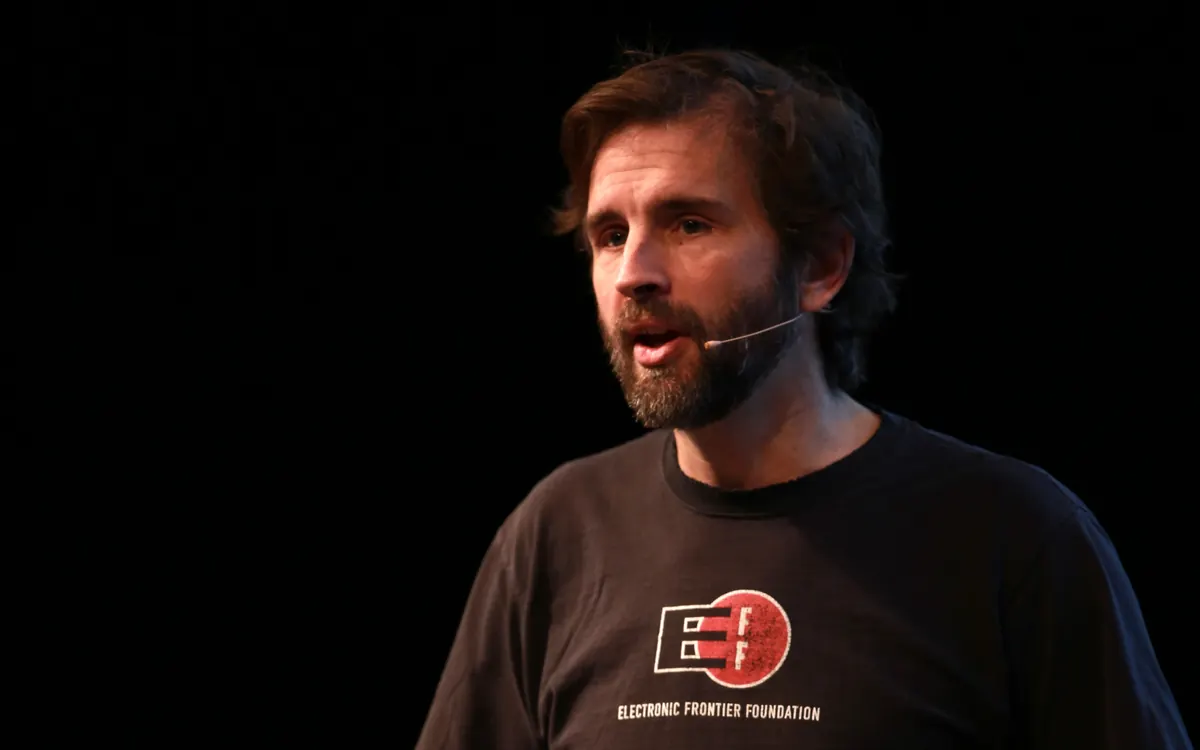
The team behind Zakura, a newer implementation of the software that runs the Zcash network, wants every ZEC swap made through NEAR Intents to use its own private viewing key. The goal, set out in an engineering post and reported by CoinDesk, is to stop a future quantum computer from turning one public address into a full map of a user's payment history.
Where the leak is
NEAR Intents lets users swap tokens across blockchains, for example private ZEC into USDC. To know where to return any unused ZEC, the service posts one of the user's shielded Zcash addresses on NEAR's public chain as soon as the deposit lands. The address stays there permanently, even when the swap completes and no refund is ever sent.
Today that reveals nothing. A Zcash address carries a public key derived from the wallet's viewing key, the secret that lets a wallet recognise incoming payments, and the elliptic-curve math involved cannot be reversed on ordinary computers. A big enough quantum computer running Shor's algorithm could, in theory, work backwards from the address to the key. Our explainer on whether quantum computers can break bitcoin covers the same weakness for BTC.
Why it matters more for Zcash
A Zcash wallet can generate many addresses that look unrelated, but they usually share one viewing key. Crack it from a single published refund address and an attacker could link every payment the account ever received, including amounts and attached memos. The funds would stay safe, because spending needs a separate key, but the privacy Zcash is used for would be gone.
The fix: one key per swap
- Separate viewing keys: each swap gets its own key, while the spending key stays with the user's main account. Cracking one refund address would expose only that swap.
- Private lookups: a wallet with hundreds of swaps would otherwise have to scan the whole chain with hundreds of keys after a restore. Zakura proposes a database the wallet queries with private information retrieval, so the server answers without learning which addresses were asked about.
- Rollout: wallets built on Zakura's open-source libraries, including Vizor, could add the feature in the coming weeks, with hardware wallets following once firmware supports it.
Timing
No quantum computer able to recover these keys has been shown, and nobody has a firm date for one. Google's recent Willow results have pushed developers to move early, though. The fix would land ahead of the January target Zcash developers set this month for quantum-resistant payments. Privacy-focused projects elsewhere are moving too: Starknet's STRK20 private tokens build on Zcash-style ideas. For how cross-chain transfers work in general, see what is a crypto bridge.
This article is for information only and is not financial advice. Crypto assets are volatile; do your own research. Read our disclaimer
More from Altcoins
View all →Read next

Bitcoin edges up near $82,500 as China GDP lifts Asian stocks
Bitcoin rose 1.3% in 24 hours as Nasdaq futures, Japan's Nikkei and Korea's Kospi rebounded after China reported 4.5% growth in the third quarter.

Crypto.com and Novig sue Missouri; Kalshi and Polymarket wait
Two of six prediction markets ordered by Missouri to stop sports event contracts went to federal court. Kalshi, Polymarket, Robinhood and Underdog held off.
Can quantum computers break bitcoin? Risks and fixes explained
What a quantum computer could and couldn't do to bitcoin: Shor vs Grover, which coins have exposed keys, realistic timelines and how holders can prepare.