What is a stablecoin? How USDT, USDC and other 'digital dollars' work
Stablecoins aim to stay worth $1. Here's how they are backed, why banks and payment firms are adopting them, and the risks behind the peg.
CryptoGroup Newsroom · · 3 min read
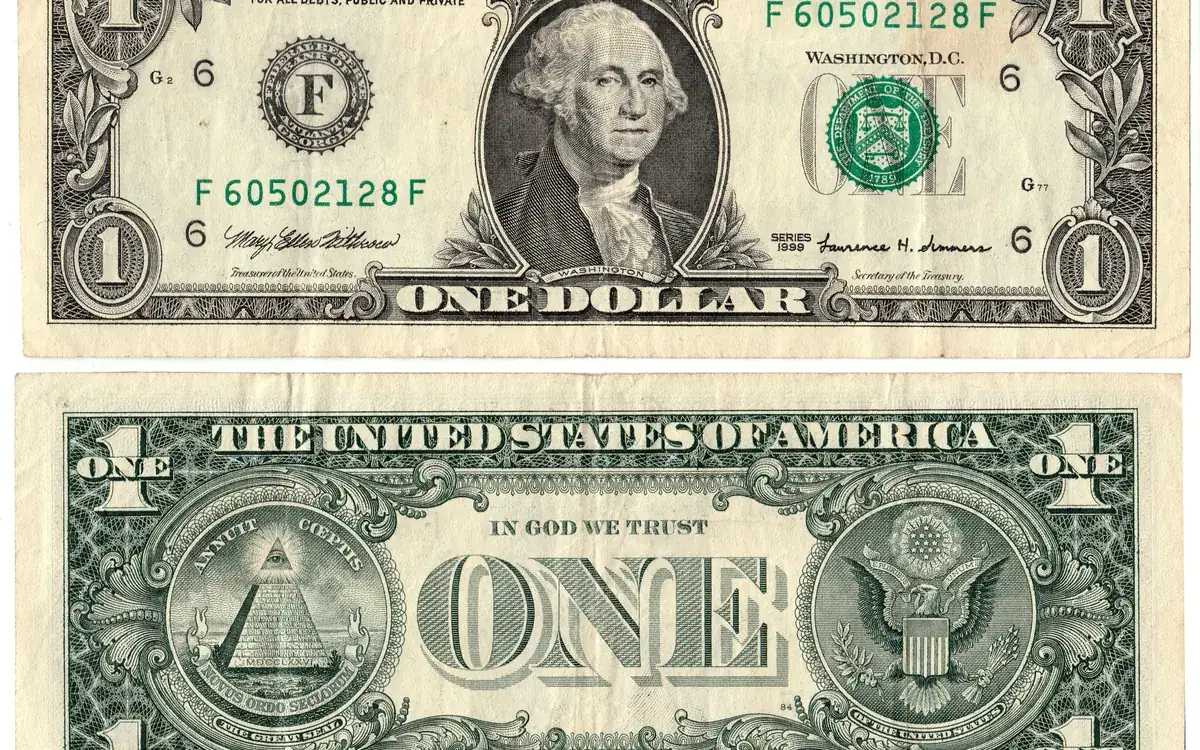
A stablecoin is a crypto token designed to keep a steady value — usually one U.S. dollar. Stablecoins combine the stability of ordinary money with the speed of blockchains: they can move around the world in minutes, 24/7.
How the peg is kept
1. Fiat-backed (most common). The issuer holds reserves — cash, short-term U.S. Treasury bills and similar assets — and lets approved customers swap tokens for dollars 1:1. Examples: Tether (USDT), USD Coin (USDC), Ripple's RLUSD. The key questions are what's in the reserves and whether they are independently audited or attested.
2. Crypto-backed. Users lock more crypto than the value of the stablecoins they mint, such as DAI/USDS from Sky (formerly MakerDAO). Over-collateralisation protects the peg when prices fall, but sharp crashes can test it.
3. Algorithmic / synthetic. These rely on trading strategies or a sister token rather than full reserves. TerraUSD (UST) collapsed in May 2022 when its mechanism failed — a reminder that "stable" is a goal, not a guarantee.
| Type | Backing | Examples | Main risk |
|---|---|---|---|
| Fiat-backed | Cash, T-bills held by the issuer | USDT, USDC, RLUSD | Reserve quality, issuer freezes |
| Crypto-backed | Over-collateralised crypto locked on-chain | DAI / USDS | Sharp crypto crashes |
| Algorithmic | Trading logic or a sister token | UST (collapsed 2022) | Mechanism failure, de-peg |
What stablecoins are used for
- Trading: a parking place between trades on exchanges.
- Payments and remittances: cheaper, faster cross-border transfers.
- DeFi: collateral and liquidity in lending and trading protocols.
- Institutions: banks are now testing them for settlement — Standard Chartered, for instance, custodies RLUSD for clients in Dubai.
Regulation
Rules are tightening. The EU's MiCA regime requires stablecoin issuers to be authorised and hold reserves, and the U.S. GENIUS Act created a federal framework for payment stablecoins. Expect more reserve disclosures — and fewer unbacked "stable" tokens available to the public.
Risks
- De-pegging: a stablecoin can fall below $1 if confidence in its reserves breaks.
- Issuer risk: the company can freeze addresses, and you rely on its banking partners.
- Platform risk: "yield" offered on stablecoins comes from lending or trading — it is not a bank deposit and is usually not insured.
The bottom line
Stablecoins are among crypto's most practical tools, but each one is only as good as its backing and issuer. Check who issues it, what backs it and how you can redeem it.
Frequently asked questions
Is a stablecoin the same as a bank deposit?
No. Stablecoin balances are not bank deposits and are usually not covered by deposit insurance.
Can a stablecoin lose its peg?
Yes. If confidence in the reserves or mechanism breaks, the price can fall below $1, as UST showed in 2022.
Why do exchanges use stablecoins?
They give traders a dollar-like place to park funds between trades without leaving the crypto system.
This article is for information only and is not financial advice. Crypto assets are volatile; do your own research. Read our disclaimer
More from DeFi
View all →Read next

Goldman, Wells Fargo, Morgan Stanley bet on tokenization
Q3 earnings calls showed how Goldman Sachs, Wells Fargo and Morgan Stanley each expect to profit from tokenization: more trading, faster payments, more advice.

Ether margin longs on Bitfinex climb as prices stall
Bitfinex traders hold about 367,500 ETH in margin longs against under 9,000 ETH in shorts, while bitcoin and ether trade flat into a quiet Saturday evening.

Fidelity's Solana health check: reliable, but too concentrated
Fidelity's FCAT says Solana has gone two years without a major outage, yet 18 validators, one host and two EU cities hold an outsized share of its stake.