What are tokenized stocks? How they work and the risks
Tokenized stocks put shares like Apple or Nvidia on a blockchain. Learn the three main types, who really owns the share, how US rules work and the key risks.
CryptoGroup Newsroom · · 6 min read
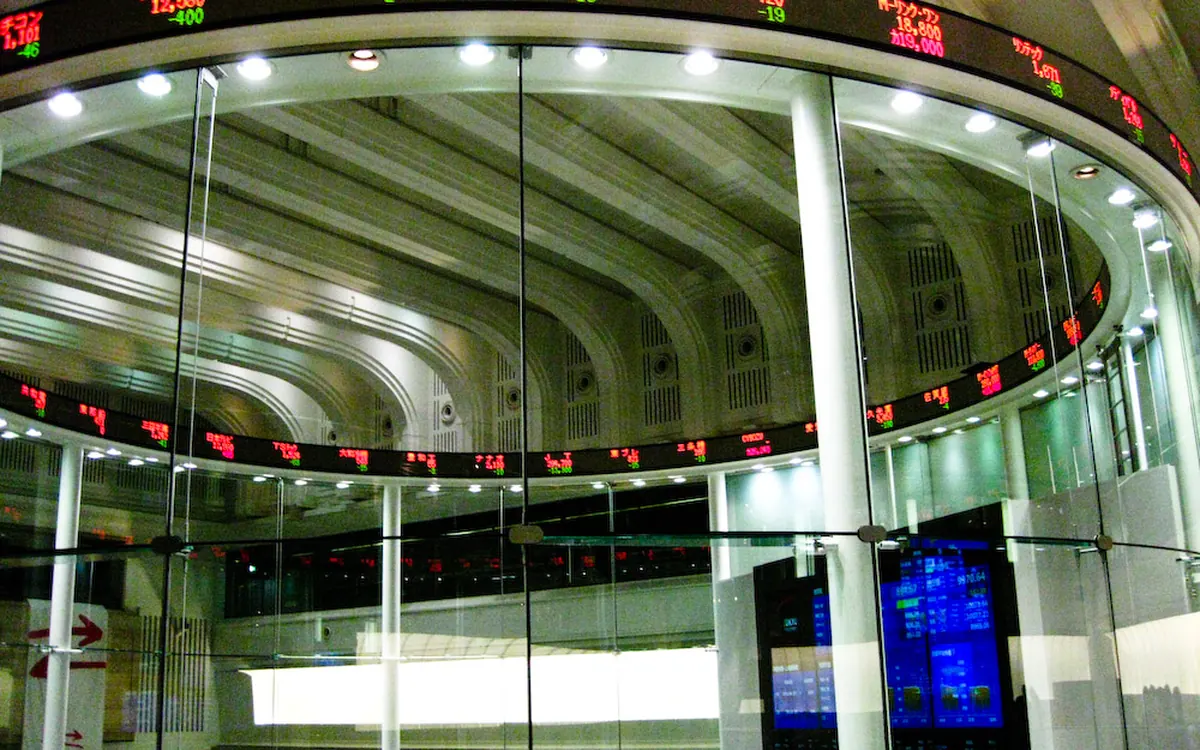
A tokenized stock is a digital token on a blockchain that represents, or tracks, a share of a listed company such as Apple or Nvidia. It can sit in a crypto wallet, move between users in minutes and trade outside normal exchange hours. Behind that simple idea, though, are very different products, and the difference decides what you actually own.
This explainer covers how tokenized stocks work, the main types, the rules in the US and elsewhere, and the risks. It is educational, not investment advice.
Why put shares on a blockchain?
Traditional share ownership runs through a chain of brokers, clearing houses and registrars. Trades settle a day later, markets close at night and at weekends, and buying US shares from abroad often means opening a US-linked brokerage account. Tokenization promises:
- 24/7 trading on crypto venues, including when the underlying exchange is closed.
- Fractions — buying $10 of a stock rather than a whole share.
- Faster settlement and easier transfers between wallets and platforms.
- Composability — using the token inside crypto apps, for example as collateral.
The same arguments drive tokenized government bonds; Chainalysis found that most of the identified holders of tokenized US Treasuries are outside the US, precisely because tokens remove the need for a US broker.
The three main types
- Issuer-sponsored shares. The company itself records some or all of its shares on a blockchain. The token is the share, with the same legal rights. This is the cleanest model and still rare.
- Backed (wrapped) tokens. A third party buys real shares, keeps them with a custodian and issues tokens one-to-one against them. Products such as Binance's bStocks, Ondo's tokenized stocks and xStocks work this way. You usually own a claim on the issuer, not the share itself — Binance, for example, says bStocks are not shares and give no direct ownership in the company.
- Synthetic or derivative tokens. The token only tracks the price through a contract or debt instrument; nobody necessarily holds the share for you. Robinhood, for instance, describes its stock tokens, sold outside the US, as debt securities issued by an offshore affiliate.
| Ordinary share | Backed token | Synthetic token | |
|---|---|---|---|
| What you hold | The share (via a broker) | A claim on an issuer that holds the share | A contract that tracks the price |
| Main dependency | Broker and registrar | Issuer and custodian | Issuer's ability to pay |
| Voting rights | Yes | Usually no | No |
| Trading hours | Exchange hours | Often 24/7 | Often 24/7 |
How big is the market?
Still small next to the stock market itself. According to The Block's data, tokenized stocks were worth about $3.5 billion in mid-October 2026, up from about $680 million at the start of the year. Data from rwa.xyz on 16 October put Binance's bStocks first at roughly $1.2 billion, ahead of Ondo and xStocks.
The rules in the US
For years, tokenized versions of US shares were sold only outside the United States. In 2021 Binance shut down an earlier stock-token offering after regulatory pushback. That changed in 2026:
- On 17 September 2026 the SEC issued a five-year innovation exemption that lets approved venues trade tokenized versions of US-listed stocks without registering as stock exchanges.
- If a third party tokenizes a company's shares, the venue must notify the company at least 30 days before trading, and the company has 30 days to object. An objection blocks only that venue. In October, nine companies, including Broadcom and Verizon, objected to listings on OKXICE, the OKX–ICE venue, and Perpetuals.com filed for a similar marketplace.
- Nasdaq has a separate SEC-approved pilot for tokenized equities, but argues that trading outside the national market system risks prices drifting from the main market.
Elsewhere, most products are offered to non-US residents under local rules, such as an Abu Dhabi Global Market prospectus for bStocks or EU frameworks for European offerings. Availability depends on where you live.
Benefits and risks
+ Pros
- Trade at any hour, including weekends
- Buy small fractions of expensive shares
- Move holdings between wallets and platforms quickly
- Access to US stocks without a US brokerage account in some countries
− Cons
- You may own a claim on an issuer, not the share itself
- Voting rights and full dividend treatment are often missing
- Prices can drift from the real stock when its exchange is closed
- Issuer, custodian and smart-contract failures can cause losses
- Rules differ by country and products can be withdrawn
Two risks deserve extra attention. Counterparty risk: with backed and synthetic tokens you depend on the issuer and custodian staying solvent and honest — the same lesson as with stablecoins. Liquidity and pricing: a token trading at 3 a.m. on Sunday has no live underlying market to anchor it, so spreads can widen and prices can jump when the exchange reopens.
How to evaluate a tokenized stock
- Read the terms. Is it the share, a claim on an issuer, or a derivative? Who is the issuer and where is it regulated?
- Check the backing. Look for regular attestations that the issuer holds the underlying shares one-to-one, and who the custodian is.
- Understand redemption. Can you swap the token for the actual share or cash, at what cost and for whom?
- Look at where it trades. Holding on a centralized platform adds exchange risk; see centralized vs decentralized exchanges.
- Compare alternatives. A regular broker or fund may do the job more simply — the same trade-off we cover in bitcoin ETF vs buying bitcoin.
Frequently asked questions
Is a tokenized stock the same as owning the share?
Only if the company itself issues the token as its share. Most products today are backed or synthetic tokens, which give a claim on an issuer or a price-tracking contract rather than direct ownership.
Do tokenized stocks pay dividends?
Some backed products pass dividend value through to token holders, often by adjusting balances or prices. Terms differ, so check each issuer's documents.
Can US residents buy tokenized stocks?
Most existing offshore products exclude US persons. Under the SEC's 2026 innovation exemption, approved US venues can offer tokenized versions of US-listed stocks, subject to identity checks and company objections.
Why would a company object to its stock being tokenized?
Companies that objected to OKXICE listings cited uncertainty about effects on price, liquidity and volatility, and the risk that investors think the company endorses an offering it never sponsored.
This article is for information only and is not financial advice. Crypto assets are volatile; do your own research. Read our disclaimer
More from Markets
View all →Read next

Crypto ETFs shed $611M in a week as ether funds lead exits
US crypto ETFs lost $610.7M on Oct 12–16, Farside data show. Ether funds shed $320.1M, more than bitcoin's $228.4M, though weekly outflows halved.

Yuga Labs launches Mudwater trading cards on Solana
Bored Ape maker Yuga Labs launched Mudwater, physical trading cards linked to vaulted Solana NFTs, with free packs for BAYC and MAYC holders until January.

Ether margin longs on Bitfinex climb as prices stall
Bitfinex traders hold about 367,500 ETH in margin longs against under 9,000 ETH in shorts, while bitcoin and ether trade flat into a quiet Saturday evening.