Citrini's tokenization thesis: the hard part is who gets paid
Citrini Research says real-world assets give blockchains a purpose. Investors now argue over who captures the fees: networks, platforms or DeFi apps.
CryptoGroup Newsroom · · 2 min read
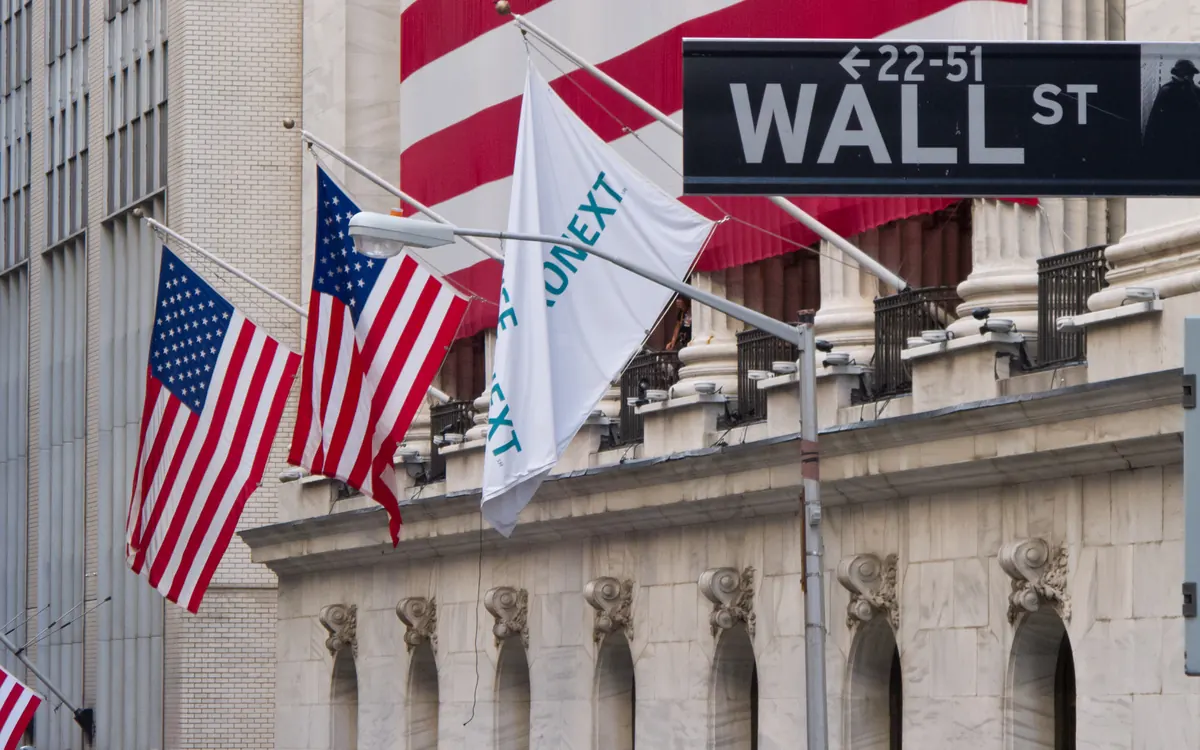
Putting a share on a blockchain is the easy part. The money is in what happens to it afterwards — and in who owns the customer.
On this page
Citrini Research, a firm better known for its AI and macro calls than for crypto advocacy, has made the bull case for tokenization in a 79-page report called Breaking the Wall. Its one-line summary — "Blockchains have finally found their raison d'être" — is a notable endorsement from outside the industry. But as CoinDesk points out, more assets on-chain does not tell an investor where the profits will land.
Four answers to the same question
CoinDesk put that question to several investors, and the answers diverge:
- Arthur Hayes (Maelstrom) is the sceptic: moving a security from one database to another is "better bookkeeping," he told The Rollup, and he asked where anyone actually makes money. His bigger idea is AI agents running people's finances on programmable, always-on rails.
- Christian Magoon (Amplify ETFs) sees infrastructure firms as "toll booths," with distributors such as Coinbase, Robinhood and banks just as valuable, but stresses the market is "extremely early."
- Jeff Dorman (Arca) expects issuing tokens to become a commodity. The durable revenue, he argues, comes after issuance — trading, lending and collateral — via players like Securitize, Hyperliquid, Aave and Aerodrome.
- Zach Pandl (Grayscale) says the most direct bet is the base networks, naming Ethereum, BNB Chain and Solana, with Avalanche and Canton targeting institutions.
Our take
Dorman's view has the most evidence behind it this week. Uniswap's record September came largely from tokenized-stock trading on Robinhood Chain, where fees per trade run at more than double its usual rate — value captured by a trading venue and a distribution brand, not by the act of tokenizing. Even the asset layer is thinner than the hype: Token Terminal data cited by Crypto Briefing shows only about 10.7% of a roughly $3.7–3.8 billion tokenized-stock market is issued by the companies themselves; the rest are wrappers tracking the price.
That is why the plumbing deals matter more than slogans. Settlement projects like DTCC's tokenization service and the cash leg provided by stablecoins decide whether tokenized assets can move freely between apps. Until they do, the safest assumption is the one Magoon makes: today's leaders may not be tomorrow's winners.
This article is for information only and is not financial advice. Crypto assets are volatile; do your own research. Read our disclaimer
More from Markets
View all →Read next

Ether margin longs on Bitfinex climb as prices stall
Bitfinex traders hold about 367,500 ETH in margin longs against under 9,000 ETH in shorts, while bitcoin and ether trade flat into a quiet Saturday evening.

Fidelity's Solana health check: reliable, but too concentrated
Fidelity's FCAT says Solana has gone two years without a major outage, yet 18 validators, one host and two EU cities hold an outsized share of its stake.

Vitalik: bitcoin mining runs on power, AI on hardware
Vitalik Buterin's cost tables show bitcoin mining split about 50/50 between hardware and electricity, while AI inference spends roughly 76% on hardware.