What is a hardware wallet? Cold storage, seed phrases and supply-chain risks
A hardware wallet keeps private keys offline. Learn how cold storage works, why seed phrases matter, supply-chain risks, and when a hot wallet is enough.
CryptoGroup Newsroom · · 5 min read
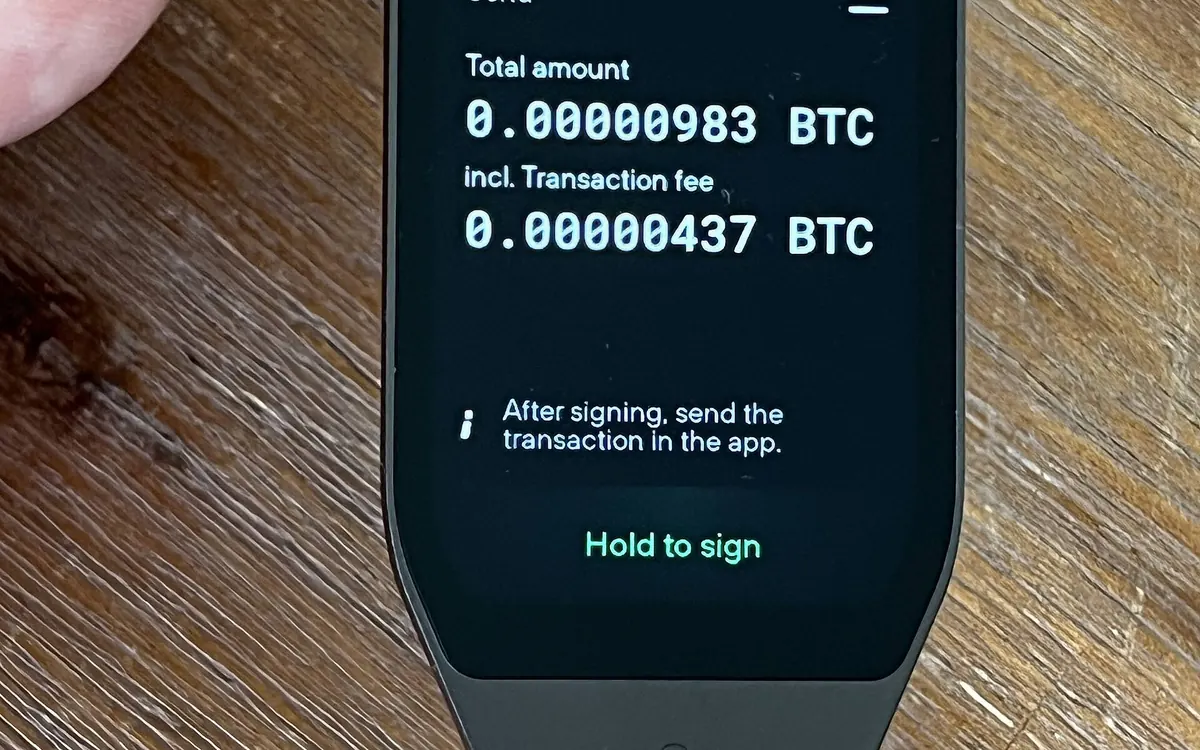
A hardware wallet (often called a cold wallet) is a small dedicated device that stores cryptographic keys and signs blockchain transactions offline. Unlike a phone or browser extension ("hot" wallet), the private keys are designed never to leave the secure chip — so malware on your laptop cannot simply copy them.
This guide explains how that model works, what a seed phrase is, where supply-chain attacks still hurt, and when a hot wallet may be enough for small everyday balances.
How cold storage works
- Keys stay on the device. When you approve a send, the unsigned transaction is sent to the wallet; it signs inside a secure element (or similar chip) and returns only the signature.
- You confirm on the device screen. Good practice is to verify the address and amount on the wallet's own display, not only on the computer — so malware cannot silently redirect funds.
- Backup is a word list. During setup you write down a recovery phrase (often 12 or 24 words). That phrase can recreate the keys on a new device if the original is lost or broken.
Hardware wallets are not "banks." You still control the keys. If you lose both the device and the seed phrase with no other backup, the funds are gone.
Seed phrases: the real vault door
The seed phrase is more powerful than the plastic device in your pocket. Anyone who photographs, copies or socially engineers those words can empty the wallet — often without touching your hardware at all.
Practical habits:
- Write the phrase on paper or a metal backup plate; do not store it in cloud notes, email or phone photos.
- Never type the seed into a website "to sync" or "to verify" — that is a classic scam.
- Prefer buying and setting up the device yourself; do not accept a device that already shows a seed someone else wrote down.
Recent industry incidents underline a related point: some physical attacks target the display path (reading words as they appear on screen) rather than rewriting firmware. That is why reputable makers stress intact packaging, sealed devices and, increasingly, tamper sensors.
Supply-chain and reseller risks
Even a well-designed wallet can be compromised before it reaches you — for example if a reseller's stock is opened, implanted or swapped. Industry responses in 2026 have included tighter reseller rules, more direct-to-consumer shipping, and new devices with stronger tamper detection (Ledger's planned Atom smartphone-style wallet is one high-profile example of that direction).
Defences that still help ordinary buyers:
- Order from the manufacturer's official store when possible.
- Inspect seals and packaging; refuse a device that looks resealed or used.
- Run the maker's authenticity / firmware checks during first setup.
- Consider multisig with devices from different vendors for larger holdings, so one compromised box cannot move funds alone.
For a broader checklist on storage choices, see How to store crypto safely.
Hardware vs hot wallets
| Hardware (cold) | Hot (app / browser) | |
|---|---|---|
| Keys online? | No — signed on-device | Yes — on phone/PC |
| Best for | Savings, larger balances | Small spending balances |
| Main risks | Loss, theft, supply chain, phishing of seed | Malware, phishing, exchange hacks if custodial |
| Convenience | Slower, extra step | Fast day-to-day |
A practical pattern many people use: keep most long-term holdings on a hardware wallet, and only a limited amount in a hot wallet or exchange account for trading and payments.
When a hardware wallet helps — and when it does not
Helps against: remote malware that tries to export keys from a PC; many drive-by wallet drains; casual theft of an unlocked phone alone (if funds live on the cold device).
Does not automatically stop: you approving a malicious transaction; phishing that tricks you into entering the seed online; physical coercion; a device that was tampered with before delivery; bugs in firmware or companion software.
Quarterly industry reports still show large losses from exchange hacks, DeFi exploits and compromised supplier / developer tooling — problems a personal hardware wallet does not solve. Cold storage is one layer, not a full security programme.
Getting started (high level)
- Choose a reputable maker and buy direct if you can.
- Update firmware only through official channels after verifying authenticity.
- Write the seed offline; test a small receive/send before moving sizeable amounts.
- Store the backup separately from the device (different location).
- Practice verifying addresses on the device screen every time.
Bottom line
A hardware wallet is a tool for keeping private keys offline and confirming transactions on a trusted screen. It meaningfully reduces many remote-theft risks, but the seed phrase, purchase channel and your own clicking habits still decide whether the setup is actually safe. Treat the device as a lockbox — and the seed as the master key you never share.
Frequently asked questions
Is a hardware wallet the same as an exchange account?
No. On an exchange the platform usually holds the keys. A hardware wallet puts the keys under your control on a dedicated device.
Can I recover funds if I lose the device?
Yes, if you still have the correct seed phrase (or another approved backup). Without the seed and without the device, recovery is generally impossible.
Do I still need a hardware wallet for tiny balances?
Not necessarily. Many people keep only small spending amounts in hot wallets and reserve hardware wallets for larger savings — the trade-off is convenience versus isolation of keys.
This article is for information only and is not financial advice. Crypto assets are volatile; do your own research. Read our disclaimer
More from Security
View all →Read next

Goldman, Wells Fargo, Morgan Stanley bet on tokenization
Q3 earnings calls showed how Goldman Sachs, Wells Fargo and Morgan Stanley each expect to profit from tokenization: more trading, faster payments, more advice.

Ether margin longs on Bitfinex climb as prices stall
Bitfinex traders hold about 367,500 ETH in margin longs against under 9,000 ETH in shorts, while bitcoin and ether trade flat into a quiet Saturday evening.

Fidelity's Solana health check: reliable, but too concentrated
Fidelity's FCAT says Solana has gone two years without a major outage, yet 18 validators, one host and two EU cities hold an outsized share of its stake.