Canada draft stablecoin rules: 1% fee cap, 3-day redemptions
Canada's draft Stablecoin Regulations would make issuers redeem any amount at par within three business days, cap fees at 1% and report monthly to regulators.
CryptoGroup Newsroom · · 3 min read
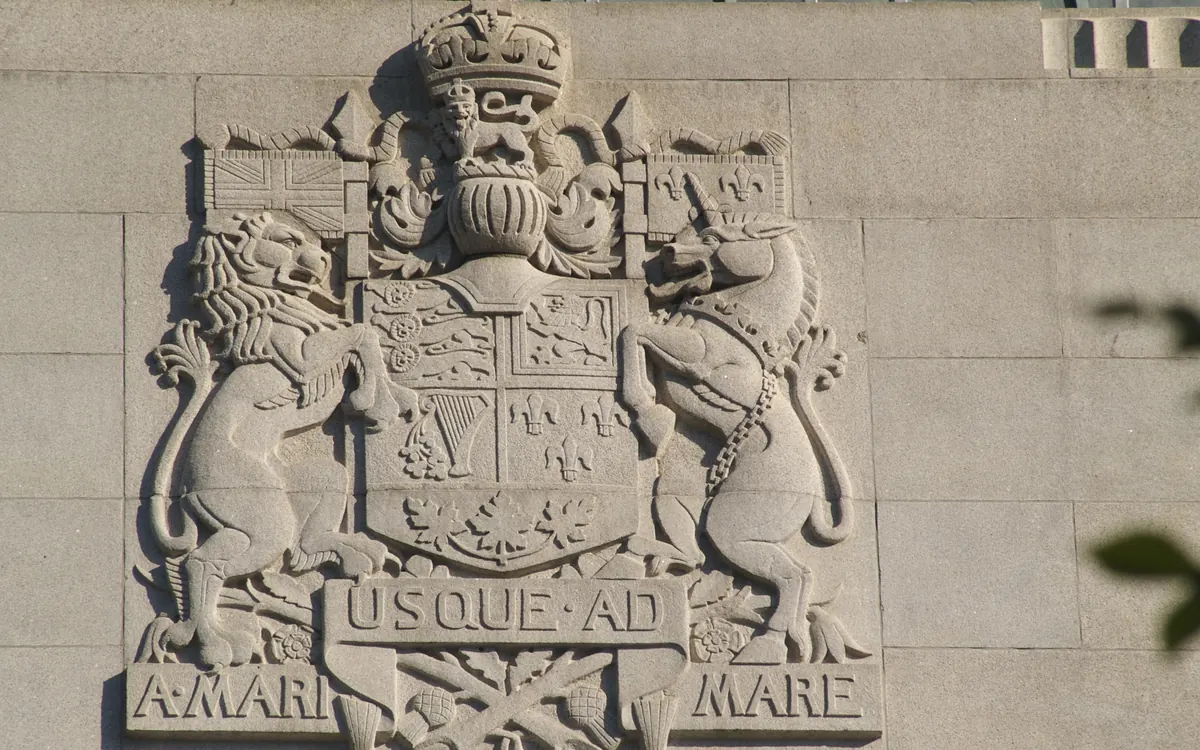
Canada has published draft rules that would let any holder of a covered stablecoin cash out at face value, with no minimum amount, within three business days and for a fee of no more than 1%. The proposed Stablecoin Regulations appeared in the Canada Gazette, Part I on 24 October, sponsored by the Department of Finance, and fill in the details of the Stablecoin Act passed earlier this year.
Redemption: the headline change
- Issuers must redeem one-to-one in the reference currency: a US-dollar coin pays out in US dollars.
- Redemption must happen on request, within three business days and without a minimum amount. The government says the window covers settlement of Canadian (T+1) and foreign (T+2) reserve securities plus a day of processing.
- Redemption fees would be capped at 1% of the amount redeemed, and issuers must give at least seven days' notice on their website before introducing or raising fees.
- Issuers may limit daily redemptions only if illiquid reserve-asset markets stop them meeting all requests, and must describe those situations in a published redemption policy.
The government notes that market redemption fees currently top out around 0.1%; it set the cap at 1% so smaller Canadian issuers can cover costs.
Reserves, reporting and penalties
- Reserves must back outstanding coins one-to-one in high-quality liquid assets: cash, demand deposits, money market funds and government debt maturing in three months or less.
- Issuers would report monthly to the Bank of Canada, including an accountant's statement on reserves, and notify it of incidents and significant changes.
- The Finance Minister could review applications on national-security grounds.
- Administrative penalties would reach up to C$1 million for a serious breach and C$10 million for a very serious one.
- Covered stablecoins would also fall under the Retail Payment Activities Act, bringing some exchanges, wallets and payment processors under Bank of Canada supervision.
What it means for USDC and USDT holders
Today, direct redemption is usually limited to verified institutional clients; Circle, for example, requires a Circle Mint account. Canada's text speaks of any holder of a covered stablecoin, but whether a particular foreign issuer is covered, registered or exempted is a separate question, CryptoSlate notes. For the basics, see what is a stablecoin and our USDT vs USDC comparison.
What's next
The Gazette draft is open for consultation before final rules are made. The government's impact statement targets fall 2027 for the framework to take effect. Canada's approach sits alongside the US GENIUS Act and the EU's MiCA, both of which also require full reserves and redemption at par.
This article is for information only and is not financial advice. Crypto assets are volatile; do your own research. Read our disclaimer
More from Regulation
View all →Read next

How to speed up a stuck bitcoin transaction (RBF and CPFP)
Bitcoin transaction stuck? How fees work, how to speed it up with Replace-by-Fee or Child Pays for Parent, when to just wait, and how to avoid fee-bump scams.
Bitcoin slips below $80,000 as Fed week starts; ETH, XRP lag
Bitcoin traded just under $80,000 on Monday as traders cut risk before Wednesday's Fed decision. Ether and XRP fell about 3%; Asian AI stocks kept sliding.

What is crypto copy trading? How it works and the risks
Crypto copy trading mirrors another trader's positions automatically. How exchange and on-chain copy trading work, the costs, how to vet a trader and the risks.