Galaxy: 11.1M bitcoin, 55% of supply, has no known owner
Galaxy Research says about 11.1 million BTC sits in addresses it cannot attribute, despite ETFs and treasuries. Why that is not the same as 55% in self-custody.
CryptoGroup Newsroom · · 2 min read
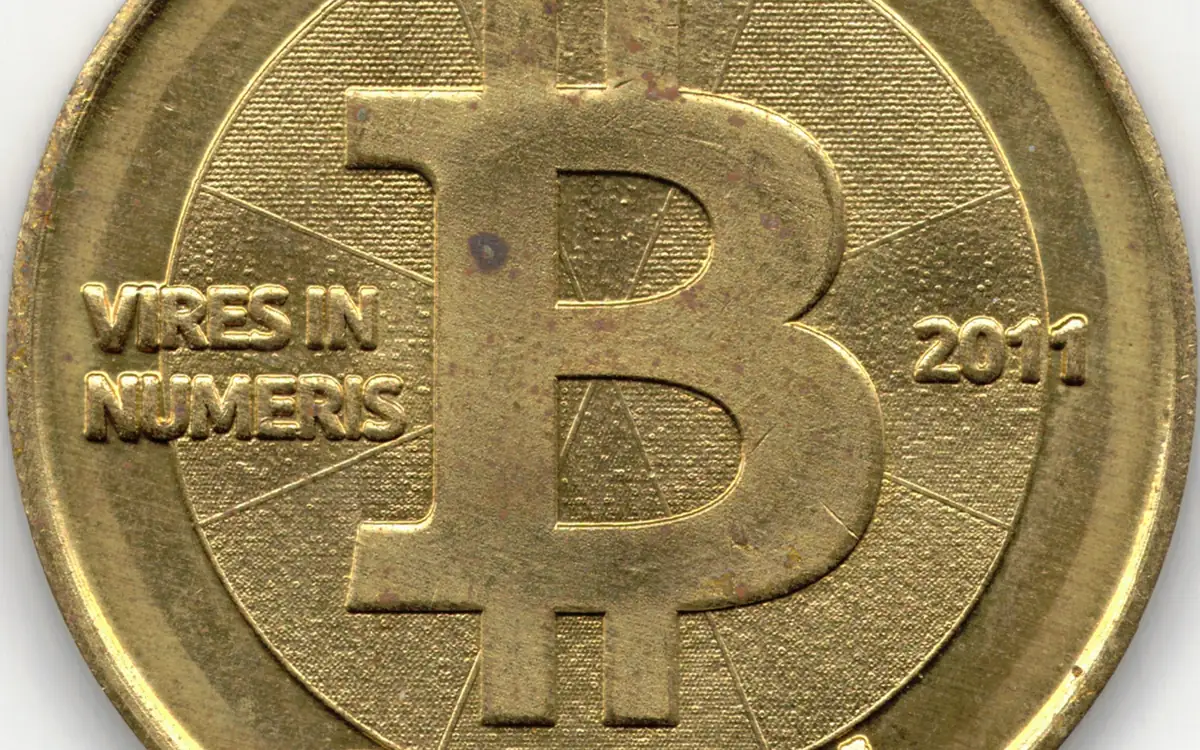
The biggest slice of bitcoin is the one nobody can name, and that blank space holds lost coins and unlabelled funds as well as people holding their own keys.
On this page
About 11.1 million bitcoin, roughly 55% of the supply, sits in addresses that Galaxy Research cannot link to any known owner, according to the firm's October snapshot reported by CoinDesk. The remaining 45% is attributed to named holders such as exchanges, ETFs led by BlackRock's fund, the US government and companies.
What Galaxy found
- ~11.1 million BTC unattributed: coins in addresses Galaxy has not matched to an exchange, fund, company or government.
- The largest single labelled holder is "Satoshi Nakamoto (Patoshi pattern)" with 1,123,658 BTC, the early mined blocks researchers link to bitcoin's creator. Galaxy counts it separately as the Satoshi-era miner.
- Galaxy's head of research Alex Thorn wrote on X that the figure shows "still a ton of bitcoin (maybe even most) is held by individuals in self-custody".
Our take
The number is a good antidote to the idea that Wall Street now "owns" bitcoin. Years of ETF launches and corporate treasuries have not moved most coins into labelled custody, and a public ledger makes that visible in a way no stock market can.
But "unattributed" is not the same as "held by individuals". The bucket also contains coins that are almost certainly lost, early coins from miners other than Satoshi, and institutions, OTC desks or custodians whose wallets simply are not labelled, sometimes because they spread funds across many addresses on purpose. Attribution depends on what a research firm can identify, so the split can shift as labelling improves. What it measures best is the limit of chain analysis.
For readers, the practical lesson is about choice rather than ideology. You can hold the keys yourself or let a custodian do it, or get exposure through a fund, and each route has different risks; we compare them in bitcoin ETF vs buying bitcoin. If you go the self-custody route, our guide to storing crypto safely covers backups, because unrecoverable keys are part of why so many coins have no known owner.
This article is for information only and is not financial advice. Crypto assets are volatile; do your own research. Read our disclaimer
More from Bitcoin
View all →Read next
Bitcoin slips below $80,000 as Fed week starts; ETH, XRP lag
Bitcoin traded just under $80,000 on Monday as traders cut risk before Wednesday's Fed decision. Ether and XRP fell about 3%; Asian AI stocks kept sliding.
Canada draft stablecoin rules: 1% fee cap, 3-day redemptions
Canada's draft Stablecoin Regulations would make issuers redeem any amount at par within three business days, cap fees at 1% and report monthly to regulators.

What is crypto copy trading? How it works and the risks
Crypto copy trading mirrors another trader's positions automatically. How exchange and on-chain copy trading work, the costs, how to vet a trader and the risks.