GENIUS Act rules: what the Blockchain Association wants
As comments on Treasury's GENIUS Act stablecoin rule closed, the Blockchain Association asked for narrower DeFi, liability and foreign-issuer duties.
CryptoGroup Newsroom · · 3 min read
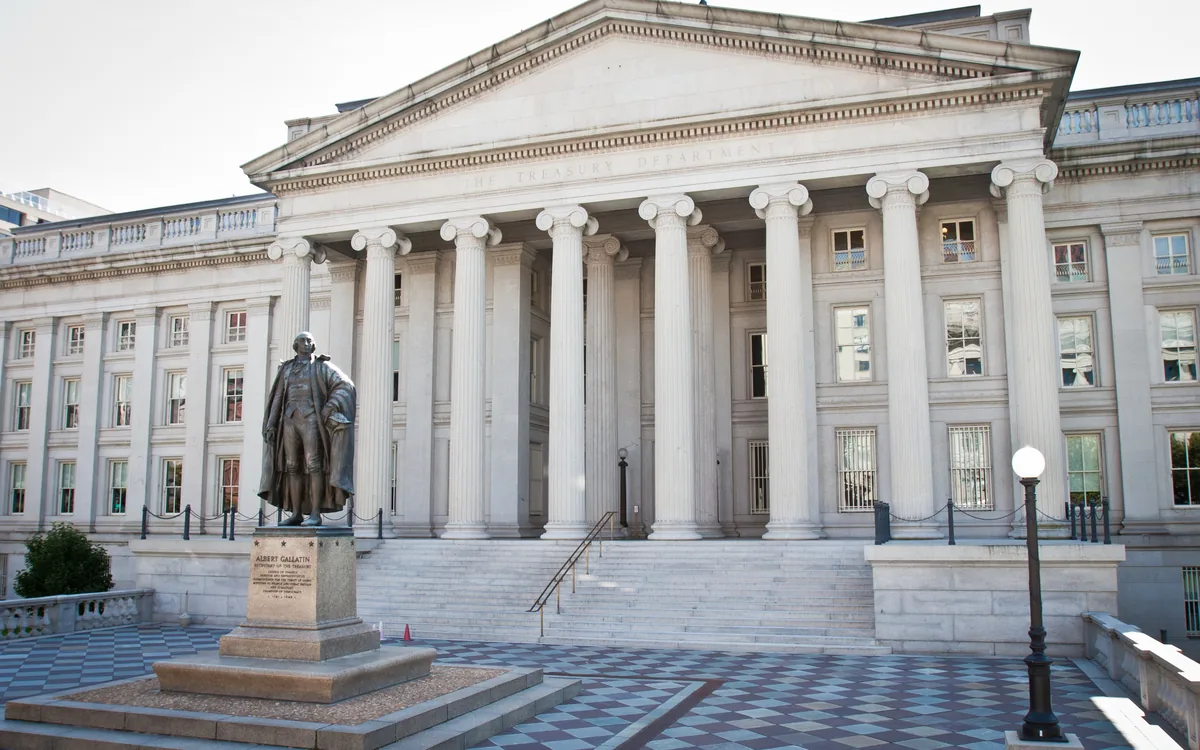
The Blockchain Association has asked the US Treasury to draw tighter lines in its draft rules for the GENIUS Act, the stablecoin law signed last year. In a 26-page comment letter filed on Monday, Oct. 19, the industry group said it supports Treasury's goal of safe stablecoins from regulated issuers with adequate reserves, but that several definitions reach further than Congress intended, The Block reported.
What Section 3 does
Section 3 is the gatekeeping part of the law: it decides who may issue, offer and sell a payment stablecoin to people in the US, and what platforms must check before listing one. Treasury's proposal fills in the detail. Public comments closed on Monday with 123 submissions on the federal portal, and the act is expected to take effect in January 2027. If you need a refresher on the asset itself, start with what a stablecoin is.
The four main asks
| Issue | Concern with the draft | What the association wants |
|---|---|---|
| Who is a 'digital asset service provider' | Could sweep in infrastructure and proprietary traders | Only businesses serving customers; exclude self-custody software, validators and firms trading their own assets |
| 'Knowing participation' in illegal issuance | Carries criminal penalties; scope unclear | Require actual knowledge plus substantial help coordinated with the issuer; ordinary secondary trading should not count |
| Foreign issuers | Open-ended due diligence on issuers platforms may never deal with | Let platforms rely on regulators' public prohibition lists |
| Is the counterparty in the US? | A 'reasonably believes' test | Actual knowledge and information gathered in the ordinary course |
Why DeFi cares
On permissionless networks, the letter argues, a participant may "interact only with a wallet address" and learn nothing more about who is on the other side. A standard that expects platforms to form beliefs about a counterparty's location would push identification and geolocation duties onto software that cannot realistically meet them. That matters for the DeFi apps and wallets that route most on-chain stablecoin trading.
"Our letter seeks clearer lines so the final rule matches what Congress wrote," the association said on X.
What happens next
Treasury now has to review the comments before issuing a final rule ahead of the January 2027 start. All submissions are public on regulations.gov under docket TREAS-DO-2026-0496. The industry's influence over the law's rollout is also under scrutiny: last week the WSJ reported that former White House crypto adviser Bo Hines kept a stake in a firm paid by Tether while pushing the bill.
This article is for information only and is not financial advice. Crypto assets are volatile; do your own research. Read our disclaimer
More from Regulation
View all →Read next

Bitcoin slips to $81,400 as Korea sell-off and $111 oil bite
Bitcoin fell about 2% to near $81,400 on Tuesday as a flop IPO dragged the KOSPI down almost 4% and Brent crude topped $111, its highest level since May.

Sparkassen launch crypto trading: 6 things to know
Germany's savings banks began offering bitcoin, ether, XRP, Solana and Polygon in the Sparkasse app on Oct. 19. Fees, custody limits and rollout explained.

MoneyGram hides stablecoins inside its new app, by design
MoneyGram's relaunched app and website add dollar balances, bill pay and app-to-app transfers on stablecoin rails that customers never have to see or manage.