Tether's mining kit wins Bitmain, MicroBT and 13 other backers
Fifteen miners, ASIC makers and pools will build integrations for Tether's open-source MDK. The goal is software and AI agents that run any mining fleet.
CryptoGroup Newsroom · · 3 min read
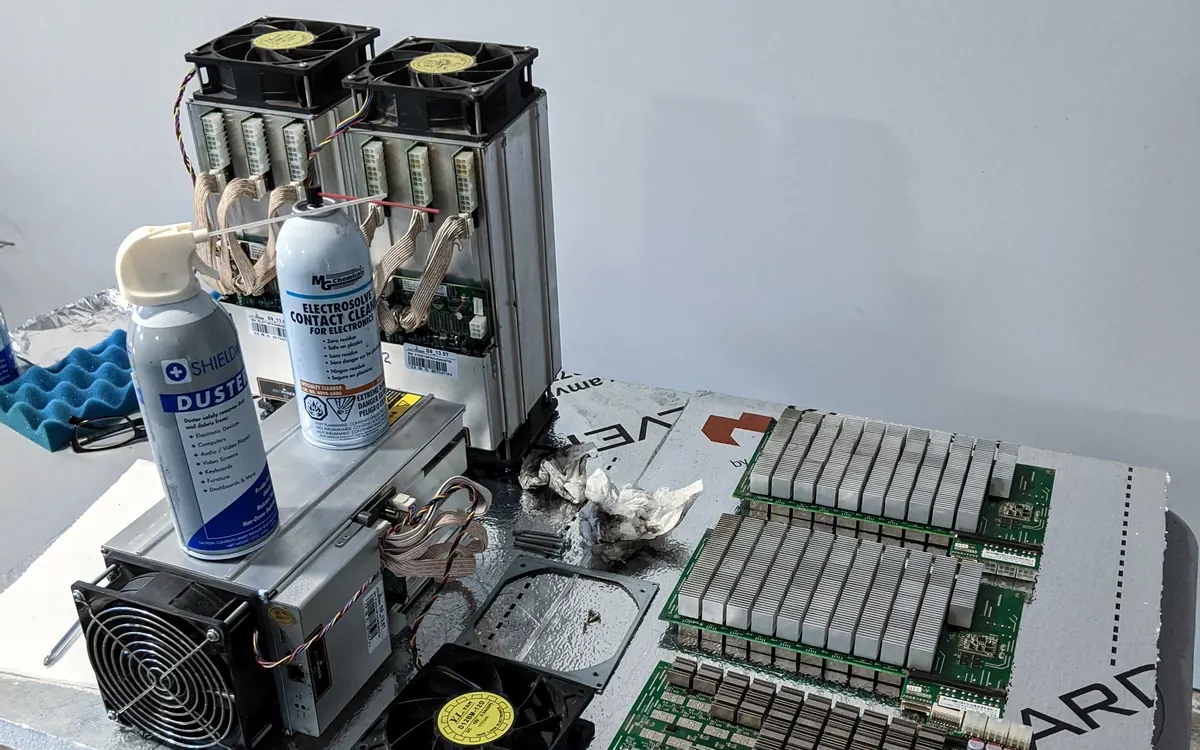
We are entering a period where software will increasingly operate physical infrastructure, not simply report on it.
Tether says 15 bitcoin mining companies, ASIC manufacturers and mining pools, including Bitmain, MicroBT, Canaan, Bitdeer, Foundry Digital and F2Pool, have committed to build and maintain integrations with its open-source Mining Development Kit (MDK), according to a company announcement dated Oct. 24. On paper it is a dull plumbing story. In practice it is a bid to own the software layer that sits between AI and the machines securing bitcoin.
What was announced
- Each participant will write an MDK Worker, a translation layer that exposes its hardware, pool or system through one common interface. Companies choose which functions to expose and keep control of their own systems.
- The full list: ACME Swisstech, Bitdeer, Bitmain, Canaan, Elektron Energy, EMCD, F2Pool, Foundry Digital, Heatbit, Luxor Technology, MicroBT, OCEAN, Proto (Block's mining unit), SpiderPool and Stratum V2.
- Tether's own QVAC mining agent already runs on MDK. Version 0.11 was due at the Plan ₿ Forum in Lugano on Oct. 23–24, and a stable 1.0 is targeted for the end of 2026.
Why this matters more than it sounds
A large mine runs thousands of machines from different makers, each with its own firmware, dashboards and pool settings, plus separate cooling and power systems. Anyone building monitoring or automation tools has to integrate them one by one. A shared interface turns that into a single integration, which is exactly what software that tries to tune fleets on its own needs. With the two biggest rig makers, Bitmain and MicroBT, and big mining pools like Foundry and F2Pool on the list, MDK covers a lot of the hashrate supply chain on day one. Heatbit, which just unveiled a bitcoin-mining water heater, signed up too.
For Tether, which also earns from USDT reserves and has poured money into mining and AI, being the standard-setter is the prize. If developers write tools against MDK rather than against each vendor, Tether's framework becomes the default way miners connect machines to automation.
The caveats
These are commitments to build, not finished deployments. Tether has not said when each Worker will ship, and it published no figures on power savings, uptime or costs from QVAC or anyone else. Vendors have also backed common standards before and then kept their best features proprietary. The 1.0 release at the end of 2026 is the first real test of how many of the 15 deliver. Proof-of-work miners compete on thin margins, as our guide to proof of work vs proof of stake explains, so tools that cut downtime would find buyers. They just have to work first.
This article is for information only and is not financial advice. Crypto assets are volatile; do your own research. Read our disclaimer
More from Bitcoin
View all →Read next

What is liquidation in crypto? Liquidation price explained
What liquidation means in crypto trading: how margin and the liquidation price work, a worked example, cascades, insurance funds, DeFi loans and how to cut risk.
What is USDT (Tether)? How it works, risks and uses
USDT explained: how Tether's dollar stablecoin keeps its $1 price, what backs it, which networks it runs on, why addresses can be frozen and the key risks.
House of Doge loses exclusive Dogecoin license: 5 key points
A House of Doge 8-K ends its exclusive Dogecoin Foundation license, owes $400,000, needs a new name by Dec. 31 and plans a $15M McQueen Labs deal.