Vitalik Buterin builds a 'paranoid mode' for private AI use
Vitalik Buterin's experimental 'paranoid mode' hides who is using an AI agent with Tor, cover traffic, local prompt rewriting and zkAPI payments on Ethereum.
CryptoGroup Newsroom · · 3 min read
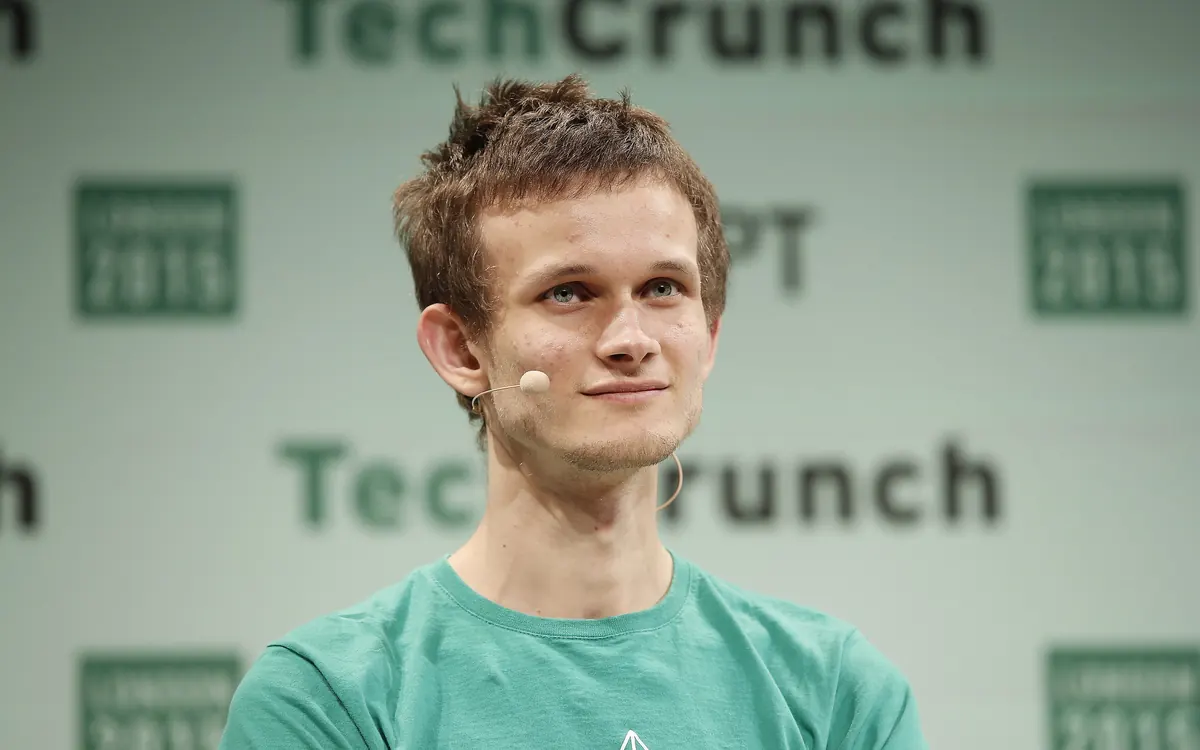
Ethereum co-founder Vitalik Buterin has published an experimental "paranoid mode" for his AI agent that tries to stop model providers from learning who is asking the questions. He described the setup in posts on X on 16 October, and BeInCrypto reported on it on Sunday. The code is public, but Buterin presents the combined system as a prototype.
Why it matters for crypto users
AI agents are starting to get access to wallets, trading tools and portfolio data. A prompt such as "should I move my ETH from this address?" can reveal holdings, plans and identity to the company running the model, even if the user never types a name. IP addresses, payment records and repeated personal details are enough to link sessions together. Buterin's tool targets each of those clues.
How 'paranoid mode' works
- Tor per conversation. Every new session gets its own Tor circuit, hiding the user's IP address from the provider.
- Cover traffic. Random fake requests are mixed in so real ones are harder to pick out.
- Local prompt rewriting. A small model running on the user's own computer rewrites prompts to strip identifying details before they leave the machine.
- zkAPI payments. Requests are paid with zero-knowledge proofs that show the bill is covered without identifying the payer. The payment system already runs on Ethereum mainnet and accepts deposits such as ETH and USDC.
It is packaged as a daemon compatible with OpenAI-style APIs, wrapped around Buterin's own agent harness, which he also runs in a software sandbox to limit what the agent can touch on his computer.
The limits he admits
Buterin says the setup is "getting quite usable", but each new conversation starts more slowly. The daemon treats a whole session as one unit rather than trying to unlink individual messages, so everything within a chat can still be tied together. Providers also still see the rewritten prompts. And an AI provider that cooperates with the first Tor relay could compare traffic timing and identify real requests; Buterin says he would prefer a more specialised privacy network, even at a higher data cost. He also expects zkAPI fees to come down.
This is a research project, not a product, and it says nothing about ETH's price. It fits Buterin's recent focus on AI costs, discussed in our report on his comparison of bitcoin mining with AI inference, and the wider push for AI agents that pay with crypto. New to the network itself? Start with what is Ethereum.
This article is for information only and is not financial advice. Crypto assets are volatile; do your own research. Read our disclaimer
More from Security
View all →Read next

Crypto ETFs shed $611M in a week as ether funds lead exits
US crypto ETFs lost $610.7M on Oct 12–16, Farside data show. Ether funds shed $320.1M, more than bitcoin's $228.4M, though weekly outflows halved.

Yuga Labs launches Mudwater trading cards on Solana
Bored Ape maker Yuga Labs launched Mudwater, physical trading cards linked to vaulted Solana NFTs, with free packs for BAYC and MAYC holders until January.

What are tokenized stocks? How they work and the risks
Tokenized stocks put shares like Apple or Nvidia on a blockchain. Learn the three main types, who really owns the share, how US rules work and the key risks.