Bloom trading bot users lose $953K in 94-second wallet drain
Attackers drained $953,000 from 48 wallets of nine Bloom Telegram bot users in 94 seconds. Bloom blames a third-party module and promises full refunds.
CryptoGroup Newsroom · · 3 min read
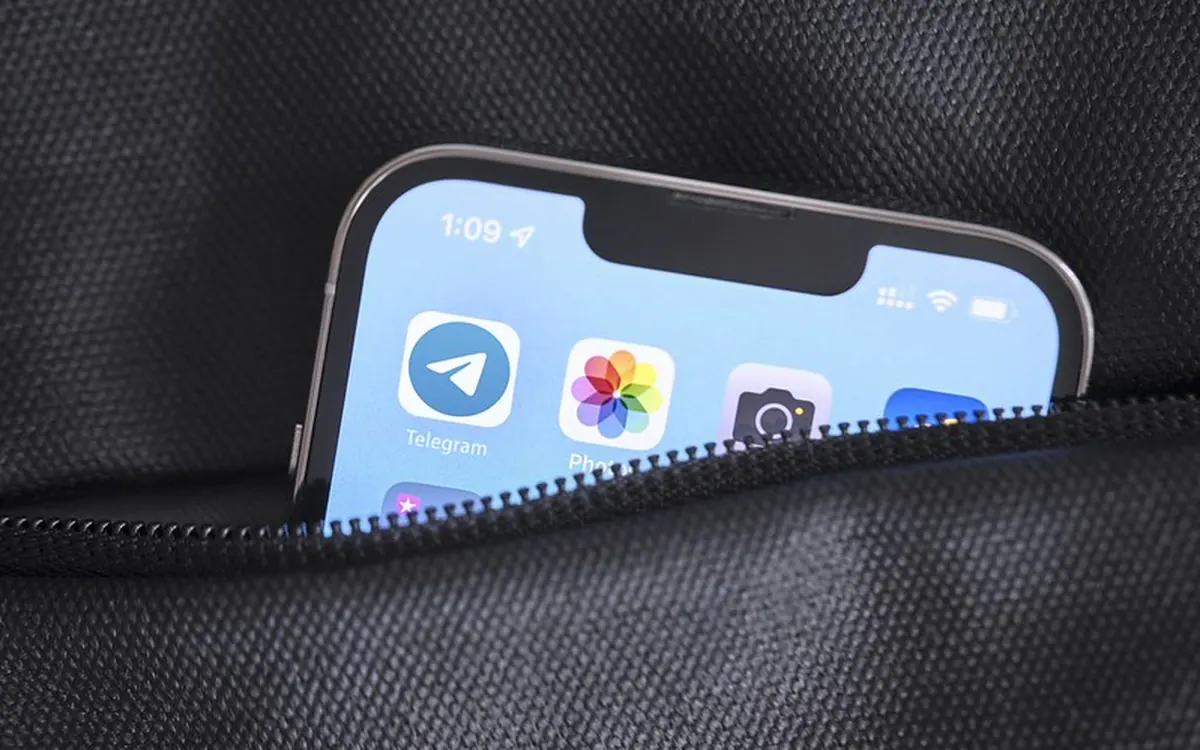
Attackers drained about $953,000 from wallets tied to the Telegram trading bot Bloom in just 94 seconds, Bitquery reported on Monday. Blockchain analytics firm Bitquery counted 48 wallets belonging to nine traders, Cointelegraph reports. Bloom says it will reimburse all affected users in full.
What happened
- Each theft was a Solana (SOL) transfer signed with the wallet's own private key, according to Bitquery, so the attacker was able to sign as the users.
- In a later statement Bloom attributed the attack to a remote code execution vulnerability in a third-party module and said no private keys had been accessed or compromised. It has not published a full post-mortem yet.
- Five of the drained wallets had been inactive on the bot since the first half of 2025.
The two accounts are hard to square for now: a transfer signed with a wallet's key normally means something that could use that key was compromised, even if the key itself was never copied out. A detailed incident report should clarify which.
Why trading bots are risky
Telegram bots such as Bloom are popular for sniping new tokens and meme coins on Solana because they trade in seconds. To do that, the bot holds or controls your private keys on its own servers. That makes it a custodial service in practice, with all the risks explained in our guide to custodial vs non-custodial wallets, and the risk does not disappear when you stop using the bot, as the dormant wallets here show.
This is not the first such incident. In September 2024, Banana Gun said 11 users lost about $3 million, and in October 2023 users of Maestro and Unibot lost a combined $1.1 million through exploits of the bots' router contracts.
What bot users should do
- Withdraw funds you are not actively trading to a wallet only you control.
- Empty and abandon old bot wallets you no longer use; do not leave dust or tokens behind.
- Treat any bot balance as hot money, and keep long-term holdings in cold storage.
Frequently asked questions
How much was stolen from Bloom users?
About $953,000 from 48 wallets belonging to nine users, drained in 94 seconds, according to figures Bitquery published on Oct. 26.
Will Bloom refund the victims?
Bloom said it will reimburse all affected traders in full. It had not published a detailed timeline for the refunds when this article was written.
Were private keys stolen?
Bloom says no keys were accessed and blames a remote code execution flaw in a third-party module. Bitquery says each drain was signed with the wallet's private key, so the attacker could at least use the keys to sign transactions.
Are Telegram trading bots safe?
They carry extra risk because the bot controls your private keys on its own servers. Keep only small trading balances in them and move the rest to a wallet you control.
This article is for information only and is not financial advice. Crypto assets are volatile; do your own research. Read our disclaimer
More from Security
View all →Read next
Bitcoin ETFs take in $110M as Galaxy calls an accumulation phase
US spot bitcoin ETFs drew $110M on Monday after $774M of outflows, leaving October about $202M negative, while Galaxy argued the bear market ended in June.

Firedancer now charges 1 SOL per bug report to stop AI spam
Jump's Solana client Firedancer now makes researchers burn 1 SOL (~$100) per bug report after a contest drew 809 mostly AI-assisted reports, 127 real findings.

How to send money abroad with stablecoins: step by step
How to send money abroad with stablecoins: compare costs with banks and transfer apps, pick the right coin and network, send safely and cash out in local currency.