World ID comes to Zoom with 'human' badges and a bank suite
World, the Worldcoin project, made its iris-based World ID check generally available for Zoom and launched identity tools for banks. Five things to know.
CryptoGroup Newsroom · · 3 min read
On this page
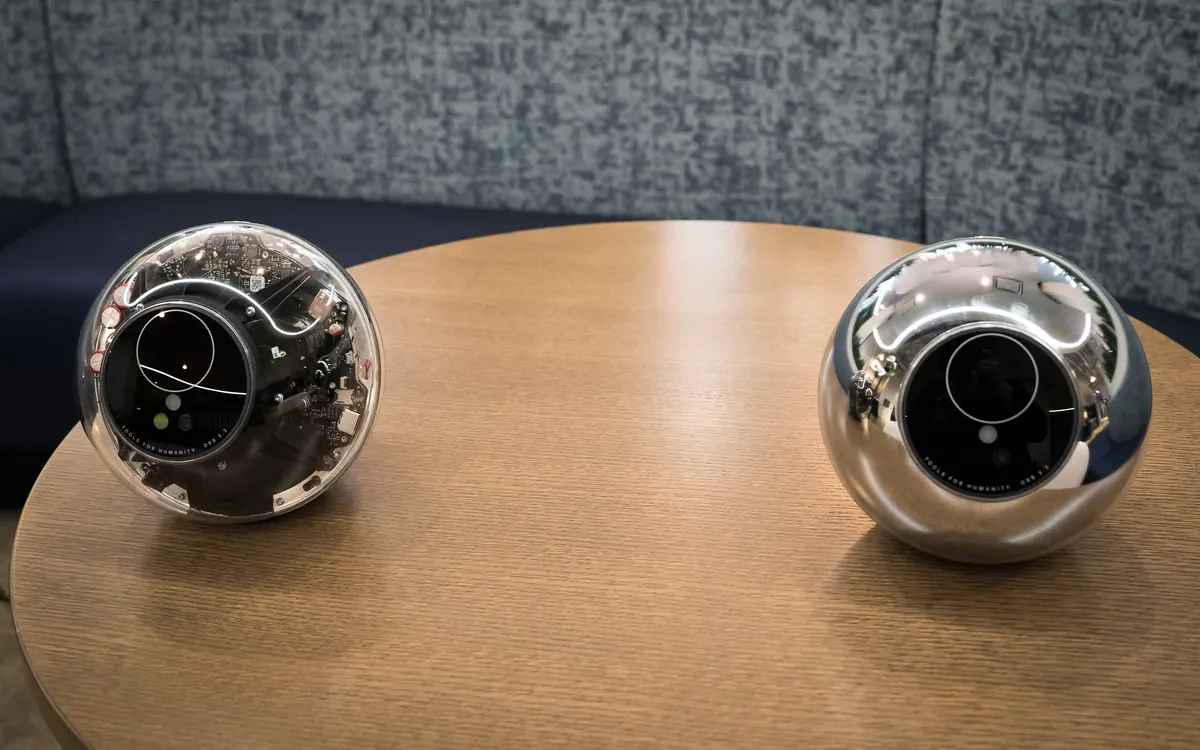
World, the Sam Altman-backed identity project that started as Worldcoin, has made World ID for Zoom available in the Zoom App Marketplace and launched a separate set of World ID tools for banks and other regulated firms. Both products aim at the same problem: proving that the person on a video call is a real, unique human and not an AI deepfake. Cointelegraph, The Block and Crypto Briefing covered the rollout.
How the Zoom check works
World ID for Zoom compares three images: a reference image captured when the user scanned their iris at one of World's Orb devices, a live selfie taken on the user's own device, and the participant's video feed in the call. If all three match, other participants see a "Verified Human" badge next to that person. The check only works for people who have already been verified at an Orb.
From beta to general availability
World first showed the Zoom integration in April, when it was in limited beta testing with VanEck Funds, through Zoom's ISV Exchange programme for outside software vendors. The feature is now available to Zoom enterprise customers worldwide.
A suite for banks
The bigger enterprise push is a World ID package for regulated industries, which World markets as "full-stack Proof of Human" infrastructure. Early design partners named in the reports include Bain Capital, Pantera Capital, VanEck Funds, OpenExchange and Outtake. World says the suite is meant to sit alongside existing know-your-customer (KYC) checks as an extra, privacy-preserving layer, not to replace them. Wire transfers and executive approvals are the use cases it highlights.
Why deepfake calls are a crypto problem
Fake video meetings have already cost companies real money. In 2024 an employee at engineering firm Arup transferred about $25 million after scammers impersonated executives on a video call. In February, suspected North Korea-linked hackers used fabricated video feeds in fake Zoom meetings to trick crypto and fintech firms into installing malware. Our guide on how to spot crypto scams covers the warning signs, including urgent requests to install software during a call.
The open questions
World's system depends on people agreeing to an iris scan, and its user base is limited to those who have visited an Orb, even though the project says it has enrolled millions. Iris scanning has drawn privacy scrutiny from regulators in several countries over the years. For companies, the badge is one more signal, not a guarantee: a verified human can still be a scammer, so payment approvals still need a second channel. For a look at how organised crypto fraud is tackled offline, see our report on the FBI seizing crypto scam servers in Brooklyn.
This article is for information only and is not financial advice. Crypto assets are volatile; do your own research. Read our disclaimer
More from Security
View all →Read next
Crypto vault deposits top $10B: how they work and the risks
Deposits in DeFi lending vaults have climbed above $10 billion from $4 billion early last year. What curators do, what yields look like and why regulators care.

Crypto week ahead: CME adds BCH and UNI futures, PMIs on Friday
CME plans bitcoin cash and uniswap futures from Monday, a CoinShares bitcoin-ether ETF halts on Oct. 21, and UK CPI and flash PMIs headline the macro calendar.

Zcash team plans one key per swap to beat quantum snooping
Zakura wants each ZEC swap via NEAR Intents to get its own viewing key, so a future quantum computer couldn't use one public refund address to map a wallet.