Qubic halts mainnet after weak wallet seeds let attacker drain 1,404 accounts
About $1.3M in QU was taken from 1,404 Qubic wallets whose seeds were created on old Apple devices. Validators froze the chain; most funds are now stuck.
CryptoGroup Newsroom · · 3 min read
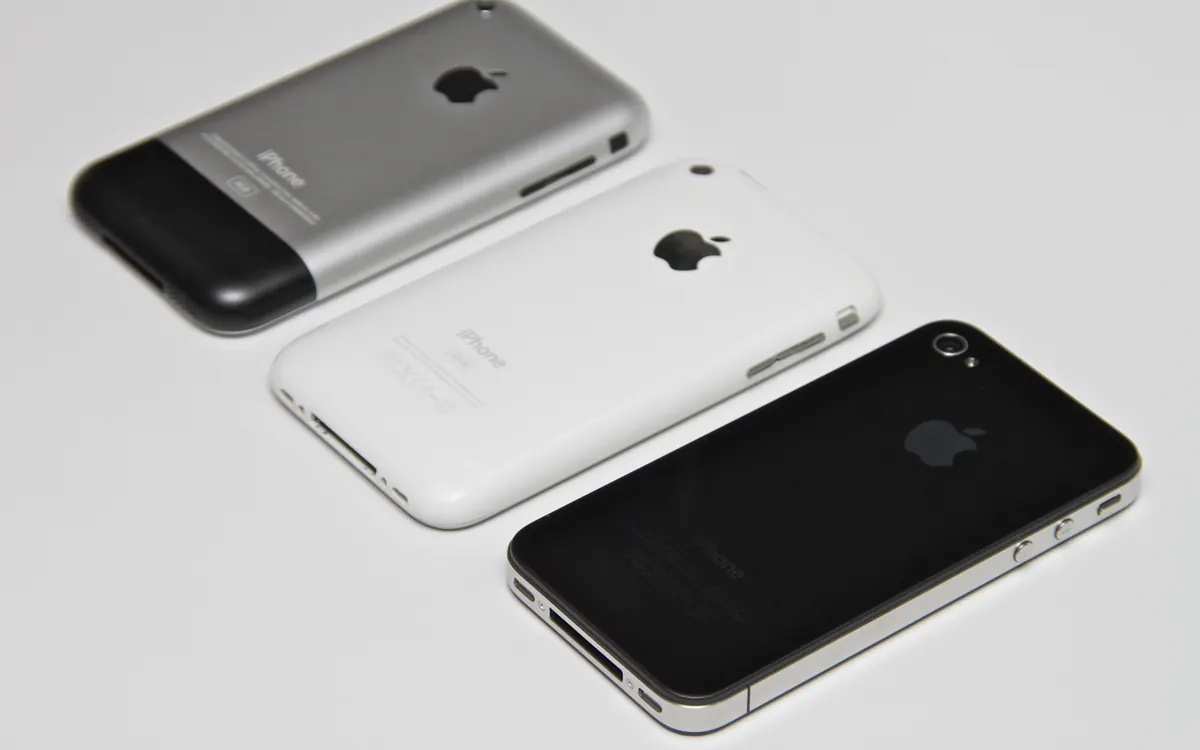
Qubic, the fee-less blockchain that pitches itself as infrastructure for AI workloads, has stopped its mainnet after an attacker drained 1,404 wallets of roughly $1.3 million worth of its QU token. According to the project's developers, as reported by Crypto Briefing, the problem was not a bug in the network itself but wallet seeds that were too predictable.
What went wrong
A seed is the secret from which a wallet's private keys are derived — whoever can reproduce it controls the funds. Qubic's team traced the drained wallets to seeds created on legacy Apple devices, Safari browsers and early iOS apps, which apparently produced weak randomness. An attacker who understood the pattern could recreate those seeds and sweep the balances one after another.
The team has released client version 4.26.4 to fix seed generation and says it moved other exposed funds to safety before they could be taken. Qubic's staking feature, QEARN, was not affected.
How it unfolded (UTC)
17 Oct, 23:42
Drain begins
Wallets with weak seeds start being emptied.
18 Oct, 01:26
Drain ends
1,404 accounts have been cleared in about 1 hour 44 minutes.
18 Oct
Chain halted
Validators stop Qubic at tick 85,371,949, freezing the ledger; MEXC freezes the account that received part of the funds, and Bitget pauses QUBIC deposits and withdrawals.
Where the money is now
About 87.1% of the stolen QU never left the Qubic network and is immobilised because the chain is stopped. The other 12.9% reached the exchange MEXC, which froze the receiving account within an hour on suspicion that it was linked to the attack.
Whether victims are reimbursed is up to Qubic's Computor cluster, the group of operators that runs the network and votes on its direction. Until then, affected users are being asked to file police reports. It is Qubic's second incident this year, after its Vottun Bridge was exploited in August.
What users can take from it
The lesson reaches beyond Qubic: a wallet is only as safe as the randomness used to create it. If you generated a seed with old software, consider moving funds to a freshly created wallet — ideally on dedicated hardware (see what a hardware wallet is and our guide to storing crypto safely). Watch next for the compensation vote, the restart on the patched client and when Bitget reopens transfers.
This article is for information only and is not financial advice. Crypto assets are volatile; do your own research. Read our disclaimer
More from Security
View all →Read next
Starknet's STRK20 brings Zcash-style private tokens to DeFi: 5 things to know
STRK20 lets any token on Starknet hide sender, receiver and amount while keeping viewing keys for auditors. A sister project, Ztarknet, aims to run on Zcash.
Bitcoin at $10,000 or a $30,000 floor? Weighing McGlone against CryptoQuant's Ju
Bloomberg's Mike McGlone sees a path to $10,000 bitcoin; CryptoQuant's Ki Young Ju says on-chain cost basis puts the floor near $30,000 even if institutions exit.
Bitcoin near $81,500: can it reach $100,000 by year-end? Analysts split
Bitwise sees bitcoin above $100K by year-end; LO:TECH expects an $85K–$95K range. Spot ETFs lost about $910M in two weeks as rate-hike bets weigh on crypto.