Prediction markets' real problem: voters dislike election bets
An Ipsos poll found 69% of Democrats and 61% of Republicans oppose betting on elections. Better forecasts alone won't win prediction markets public trust.
CryptoGroup Newsroom · · 2 min read
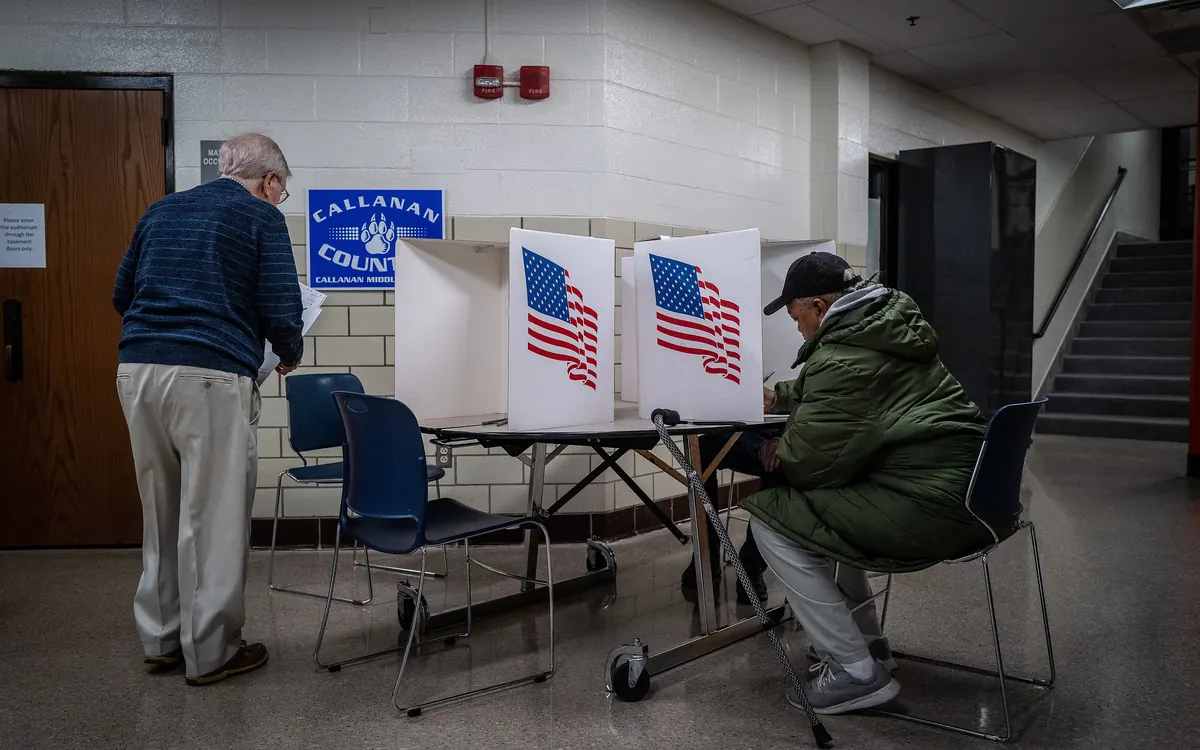
Accurate odds answer one question. Whether strangers should profit from who governs you is a different one.
On this page
Prediction markets have won an audience for their odds, but not public approval for the bets behind them. An Ipsos poll published by Reuters found that 69% of Democrats and 61% of Republicans oppose using prediction markets to bet on election results, CryptoSlate noted in an analysis on Sunday. Respondents also opposed betting on military actions and government policy decisions.
What the poll measured
- Sample: 4,506 US adults, interviewed from 30 September to 5 October.
- Question: approval of betting on these events — not whether people trust the forecasts.
- Result: clear majorities in both parties against election betting.
Why it matters
The industry's main defence is that money makes forecasts better: a contract that pays $1 if a candidate wins and trades at 60 cents works as a 60% probability, and traders with better information push the price toward reality. That argument may be right — but it answers a different question. Voters can find the odds useful and still object to a system where people close to an election can profit from its outcome.
Kalshi has run into exactly that tension. It says it fined and suspended four congressional candidates for trading on their own races, and that its rules exclude relevant political insiders. Its 6 October election update added low-volume labels, more visible trade feeds and scores comparing past forecasts with outcomes — and the company said most of its traffic comes from people who watch rather than trade.
Our take
That last point is the crux. If prediction markets want to be treated as a source of public information, they will be judged like one: on how their numbers are produced, who is allowed to move them and how rule-breakers are handled. Publishing trading data behind the odds, track records and detailed enforcement decisions would help. Blanket bans carry their own risk of pushing activity to platforms where misconduct is harder to police.
The regulatory backdrop is shifting fast — the SEC recently cleared Cboe to list yes/no options on company metrics, and crypto money is already flowing heavily into politics, as the Fairshake spending in Ohio shows. Better odds alone will not settle whether voters are comfortable with the business behind them.
This article is for information only and is not financial advice. Crypto assets are volatile; do your own research. Read our disclaimer
More from Regulation
View all →Read next

Ethereum's Glamsterdam hits last testnet on 26 Oct: what changes
Glamsterdam goes live on the Hoodi testnet on 26 October with ePBS, block-level access lists, gas repricing and a 200M gas limit. Mainnet date: not yet set.
What is a crypto bridge? How bridges work and why they get hacked
Crypto bridges move tokens between blockchains like Ethereum, Solana and BNB Chain. Learn how lock-and-mint works, the main bridge types, risks and safety tips.
Ledger CEO and Mark Karpelès clash over implant warnings
Ex-Mt. Gox chief Mark Karpelès says louder Ledger warnings in March could have saved $90M+; CEO Pascal Gauthier shot back that he is 'no white knight'.