What is DeFi? Decentralized finance explained in plain language
How decentralized exchanges, lending protocols and liquidity pools work without banks — plus the main risks, from smart-contract bugs to liquidations.
CryptoGroup Newsroom · · Updated · 3 min read
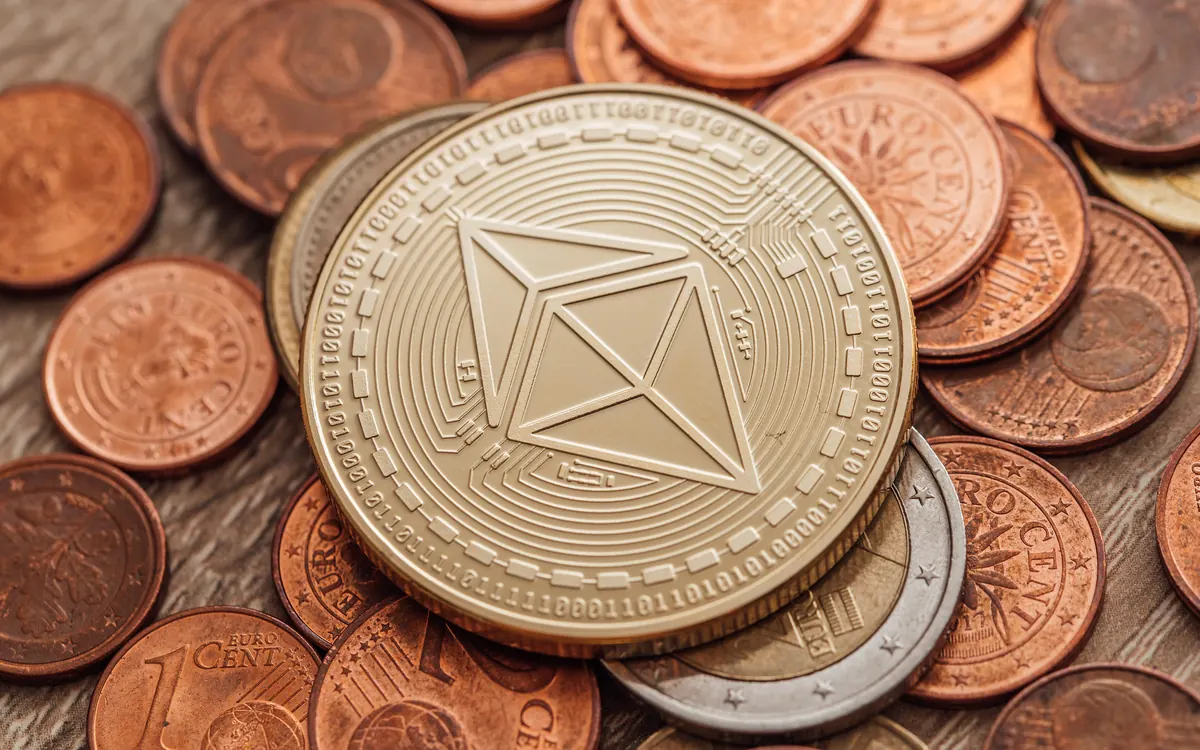
DeFi swaps the bank for code: open to anyone with a wallet, but smart-contract bugs, hacks and vanishing yields are your risk, not an insurer’s.
DeFi — decentralized finance — is a set of financial services built from smart contracts on public blockchains such as Ethereum and Solana. Instead of a bank or broker, code handles the trading, lending and borrowing, and anyone with a crypto wallet can use it.
The main building blocks
Decentralized exchanges (DEXs). Platforms like Uniswap let you swap one token for another straight from your wallet. Most use liquidity pools: users deposit pairs of tokens, and traders swap against the pool, paying a small fee that goes to the depositors. Not sure whether to trade on a DEX or a regular exchange? See our CEX vs DEX comparison.
Lending and borrowing. Protocols such as Aave and Compound let you deposit crypto to earn interest, or borrow against it. Loans are over-collateralised — you might lock $150 of ETH to borrow $100 of stablecoins. If your collateral's value falls too far, it is automatically liquidated.
Stablecoins. Dollar-pegged tokens are DeFi's base currency. See what is a stablecoin.
Staking and liquid staking. Locking tokens to help secure a proof-of-stake network in return for rewards, sometimes receiving a tradable token that represents the staked position.
Why people use it
- Open access: no account approval; works 24/7.
- Transparency: transactions and contract code are public.
- Composability: apps plug into each other like building blocks.
- Self-custody: your assets stay in your wallet until you deposit them into a contract.
The risks are real
- Smart-contract bugs and hacks: exploits have drained billions over the years. Audits help but don't guarantee safety.
- Liquidation: borrowers can lose collateral quickly in a price crash.
- Impermanent loss: liquidity providers can end up worse off than if they'd simply held the tokens.
- Scams and "rug pulls": anyone can launch a token or protocol, including fraudsters.
- Privacy: activity on public chains is traceable; new tools such as Starknet's Shadow Accounts try to separate identities per app.
- Regulation: rules for DeFi front-ends and tokens are still developing.
How to start carefully
- Use a separate wallet for DeFi, holding only what you're prepared to risk.
- Stick to long-running, widely used protocols and check the official URL.
- Review token approvals you grant and revoke ones you no longer need.
- Start with a small amount and learn how fees, slippage and liquidation work.
DeFi is powerful but unforgiving: there is no customer support to reverse a mistake.
This article is for information only and is not financial advice. Crypto assets are volatile; do your own research. Read our disclaimer
More from DeFi
View all →Read next

Goldman, Wells Fargo, Morgan Stanley bet on tokenization
Q3 earnings calls showed how Goldman Sachs, Wells Fargo and Morgan Stanley each expect to profit from tokenization: more trading, faster payments, more advice.

Ether margin longs on Bitfinex climb as prices stall
Bitfinex traders hold about 367,500 ETH in margin longs against under 9,000 ETH in shorts, while bitcoin and ether trade flat into a quiet Saturday evening.

Fidelity's Solana health check: reliable, but too concentrated
Fidelity's FCAT says Solana has gone two years without a major outage, yet 18 validators, one host and two EU cities hold an outsized share of its stake.