Vault12: SEC token safe harbor won't get old coins listed
Wallet-backup firm Vault12 tells the SEC its proposed token safe harbor leaves exchanges too exposed to list older tokens, and asks for a 60-day objection window.
CryptoGroup Newsroom · · 2 min read
How do we know the SEC won't later say VGT is still subject to the old investment contract?
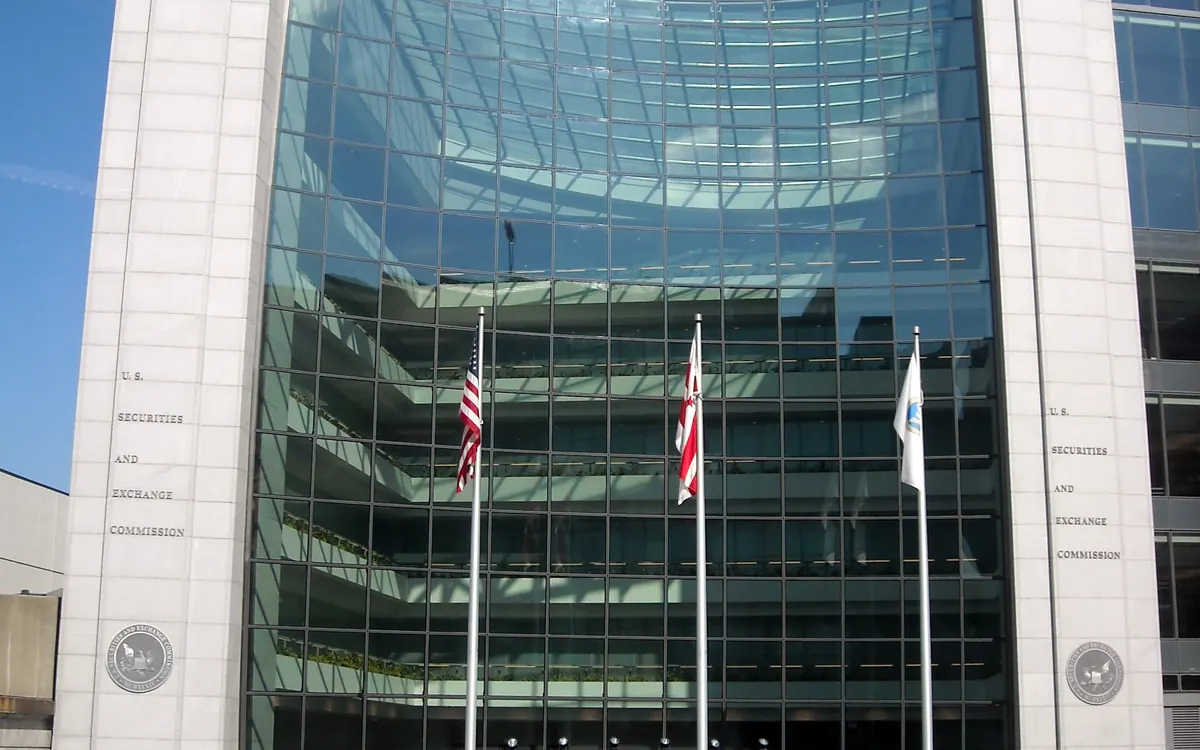
Vault12, a crypto wallet-backup company backed by Winklevoss Capital and Naval Ravikant, has warned the SEC that its proposed token safe harbor may not give exchanges enough certainty to list older tokens, CoinDesk reports. The firm made the case in a comment letter filed on Tuesday.
The case study
Vault12 sold its Vault Guardian Token (VGT) in 2018, raising $17.45 million from 38 investors through agreements for future tokens. It says it has since either delivered or formally dropped every promise in its white paper, which is exactly the situation the SEC's August proposal, Regulation Crypto Assets, is meant to handle. Yet VGT has never traded on a centralised exchange. Every exchange Vault12 approached wanted assurance that the regulator would not later decide the token was still a security.
Why the safe harbor falls short, in Vault12's view
To use the proposed safe harbor, an issuer must finish or permanently stop the "essential managerial efforts" it promised, make no new ones, and file a transition report called Form TR. But the proposal also lets the SEC challenge whether those conditions were met, and it does not stop private parties from arguing a token is a security. For an exchange, that leaves an open-ended risk.
Vault12's fix: if the SEC does not object within 60 days, a properly filed certification would become conclusive for the agency, except in cases of fraud or material misstatements. The letter echoes points from industry group The Digital Chamber, which Vault12 says it supports.
Our take
This is the most practical objection the proposal has drawn so far. A safe harbor that the agency can reopen at any time works for issuers on paper, but listing decisions are made by exchanges, and their lawyers price in worst cases. Without a point at which the answer becomes final, many legacy tokens could stay stuck in the same limbo the rule is meant to end. Whether the SEC accepts a deadline on its own discretion is another matter; the comment process is how it will find out how widespread the problem is, much like the industry letters on the GENIUS Act.
For readers, the takeaway is simpler: a token that an exchange won't list is harder to sell. Know how centralised and decentralised exchanges differ, and since Vault12's business is backups, it is a good moment to check how you store your seed phrase.
This article is for information only and is not financial advice. Crypto assets are volatile; do your own research. Read our disclaimer
More from Regulation
View all →Read next

Bitcoin hits $84,600 as SpaceX earnings lift US stocks
Bitcoin rose almost 2% to $84,600, its highest since Oct. 7, as SpaceX's Q3 beat lifted the Nasdaq and nearly $110M of crypto shorts were liquidated in four hours.

Ex-Story Protocol DATA shuts its chain and moves to Sui
a16z-backed DATA, formerly Story Protocol, is retiring its own blockchain and moving to Sui after a $30M Sui Foundation investment, to focus on AI data records.

Shinhan and SBI test yen stablecoins for tourists in Korea
Shinhan Card and SBI units will explore card-linked yen stablecoin payments for Japanese visitors in South Korea, wallet transfers and trade settlement.