Trezor trims its reseller network after Ledger implant reports
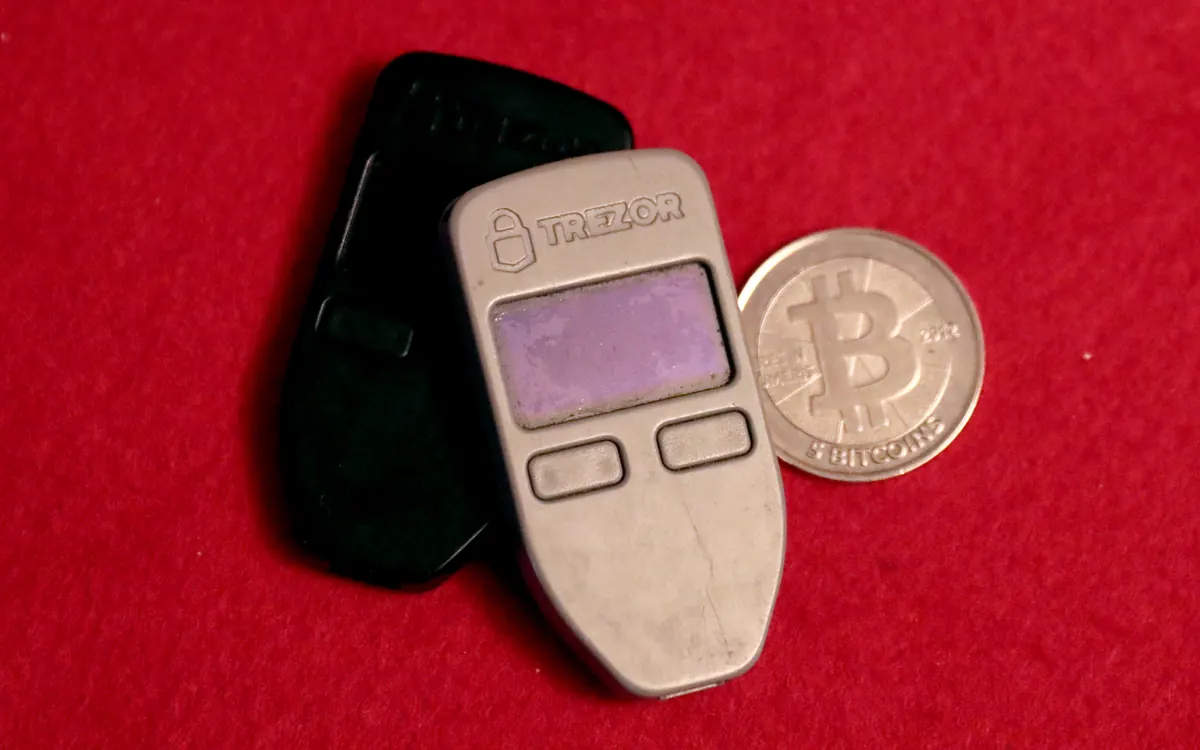
Trezor says there is no evidence its wallets were compromised but will drop some authorised resellers from 1 January as a precaution after the CryptoBilis supply-chain incident.
CryptoGroup Newsroom · · 2 min read
On this page
Hardware wallet maker Trezor is cutting the number of shops allowed to sell its devices, calling it a "preventive step, taken out of an abundance of caution" after a supply-chain attack hit buyers of rival Ledger wallets.
What Trezor announced
- In a post on X on Tuesday, Trezor said there is "not a single piece of evidence" that its own devices have been compromised.
- Chief commercial officer Danny Sanders said certain resellers have been told they will be removed from Trezor's authorised list on 1 January, and that shipments to them stop immediately.
Why now
Days earlier Ledger confirmed that devices sold by CryptoBilis, a reseller in Southeast Asia, contained an unauthorised hardware implant that captured recovery phrases and sent them out over a mobile network. On-chain researchers have estimated losses of $72 million to $86 million; Ledger says it has not confirmed the total.
A Trezor spokesperson told Cointelegraph that its setup checks are designed to catch counterfeit devices and modified firmware, but the CryptoBilis implant works differently: it reads what is shown on screen rather than changing the firmware. Trezor says it has not seen this type of attack on its own devices.
CryptoBilis — which was also an authorised Trezor reseller — has suspended all hardware wallet sales, and European retailer MediaMarkt's parent company has pulled Ledger products from its stores and website as a precaution.
Trezor's advice
- Buy directly from the manufacturer and check that the seal is intact.
- Consider a multisignature setup using devices from different makers, so one compromised device cannot move funds alone.
This article is for information only and is not financial advice. Crypto assets are volatile; do your own research. Read our disclaimer
More from Security
View all →Read next

Goldman, Wells Fargo, Morgan Stanley bet on tokenization
Q3 earnings calls showed how Goldman Sachs, Wells Fargo and Morgan Stanley each expect to profit from tokenization: more trading, faster payments, more advice.

Ether margin longs on Bitfinex climb as prices stall
Bitfinex traders hold about 367,500 ETH in margin longs against under 9,000 ETH in shorts, while bitcoin and ether trade flat into a quiet Saturday evening.

Fidelity's Solana health check: reliable, but too concentrated
Fidelity's FCAT says Solana has gone two years without a major outage, yet 18 validators, one host and two EU cities hold an outsized share of its stake.