Tether bets on Bolivia's USDT habit with Peso pre-seed round
Tether led a pre-seed round in Bolivian fintech Peso, which runs USDT payments through Yango food delivery and bank transfers, and is eyeing three more countries.
CryptoGroup Newsroom · · 2 min read

In Bolivia, USDT is less a crypto trade than a workaround for scarce dollars, and Tether is paying to wire it into everyday apps.
Tether has led a pre-seed funding round in Peso, a Bolivian fintech that lets people pay in USDT through food delivery apps and the local banking system, Cointelegraph reported. The amount was not disclosed. Tether says the money will help Peso expand in Bolivia, Brazil, Colombia and Argentina.
What Peso does
- Food delivery: USDT payments are built into Yango's food delivery service in Bolivia.
- Merchants: QR payments and point-of-sale services.
- Banking link: virtual accounts connected to Bolivia's banking system through ACH transfers, so USDT can move to and from local currency.
Our take: follow the dollar shortage
This is not a story about crypto speculation. Bolivia has leaned on stablecoins since 2025 because of a long US dollar shortage and high inflation, and businesses began accepting USDT as foreign currency got harder to obtain. The government said in November 2025 it would bring crypto and stablecoins into the financial system, including letting banks offer custody, and in July 2026 began weighing a framework that would recognise USDT for payments, savings and trade alongside the boliviano and the dollar. The pressure grew after Bolivia dropped its long-standing currency peg in June, Cointelegraph noted.
Peso is not alone. Lending platform Tala this week announced a partnership with El Dorado to offer loans that are paid out and repaid in USDT on the Tempo blockchain. For Tether, small rounds like this one are cheap distribution: each app that hard-wires USDT into checkout makes the token harder to displace. Tether led a $15 million round in Mural on Wednesday with the same logic.
The catch for users is the usual one. A stablecoin is only as good as its issuer's reserves and its rails, and holding it in an app means trusting that app. If you are new to the idea, read what is a stablecoin and how to store USDT safely.
This article is for information only and is not financial advice. Crypto assets are volatile; do your own research. Read our disclaimer
More from Markets
View all →Read next
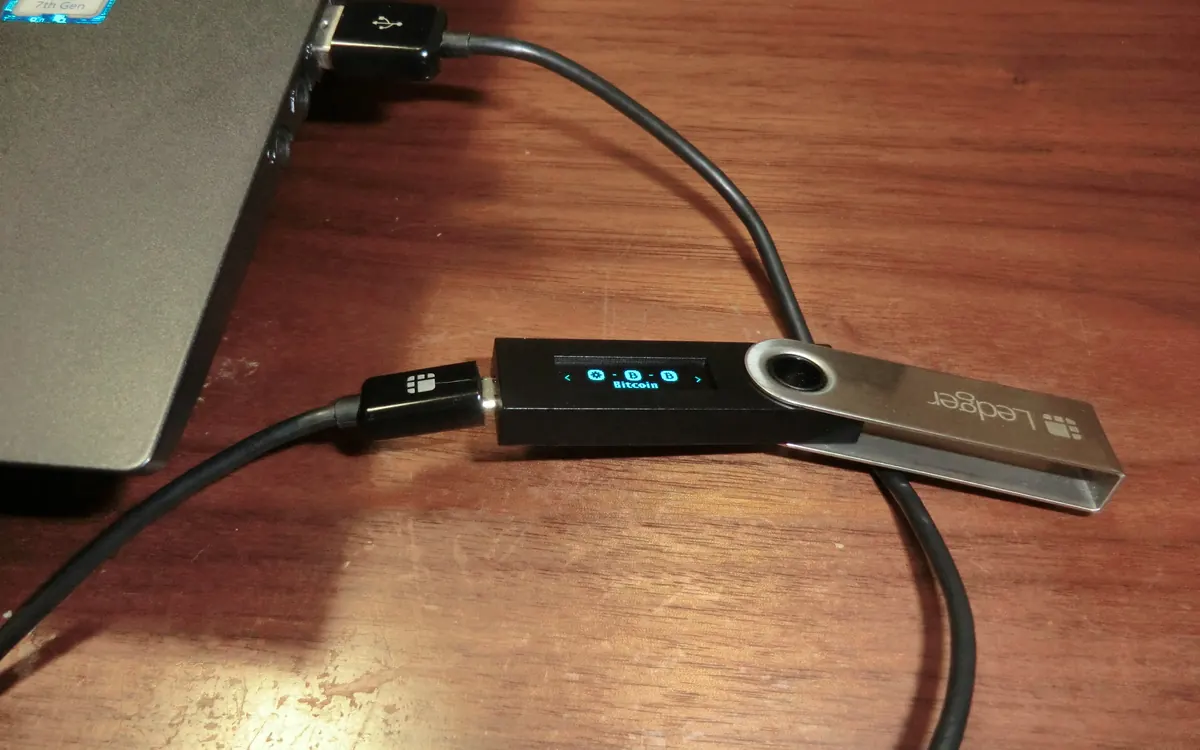
How to store Ethereum safely: wallets, L2s and staking
Where to keep ETH: exchange, software wallet, hardware wallet or multisig. Plus Ethereum-specific risks: networks, gas, token approvals and staked ETH.
Bitcoin slips to $82,800 as ETFs log $1.08B in three days
Bitcoin gave back a run at $85,000 and sits on $82,500 support. Spot ETFs took in $1.08B in three days, but past rallies needed about $235M a day.
XRP Ledger bug fix slips to Nov. 4 after a two-hour vote dip
XRPL's fixCleanup3_4_0 was due Oct. 23, but support fell to 26 of 35 validators at one check, resetting its 14-day clock. It now targets Nov. 4.