Crypto hacks near $1.2B in Q3 as Bitget and Liquid dominate losses
Hacken says Q3 2026 crypto hacks hit $1.18B across 107 incidents; about 77% of losses came from suppliers, developer tools and unaudited infrastructure.
CryptoGroup Newsroom · · 2 min read
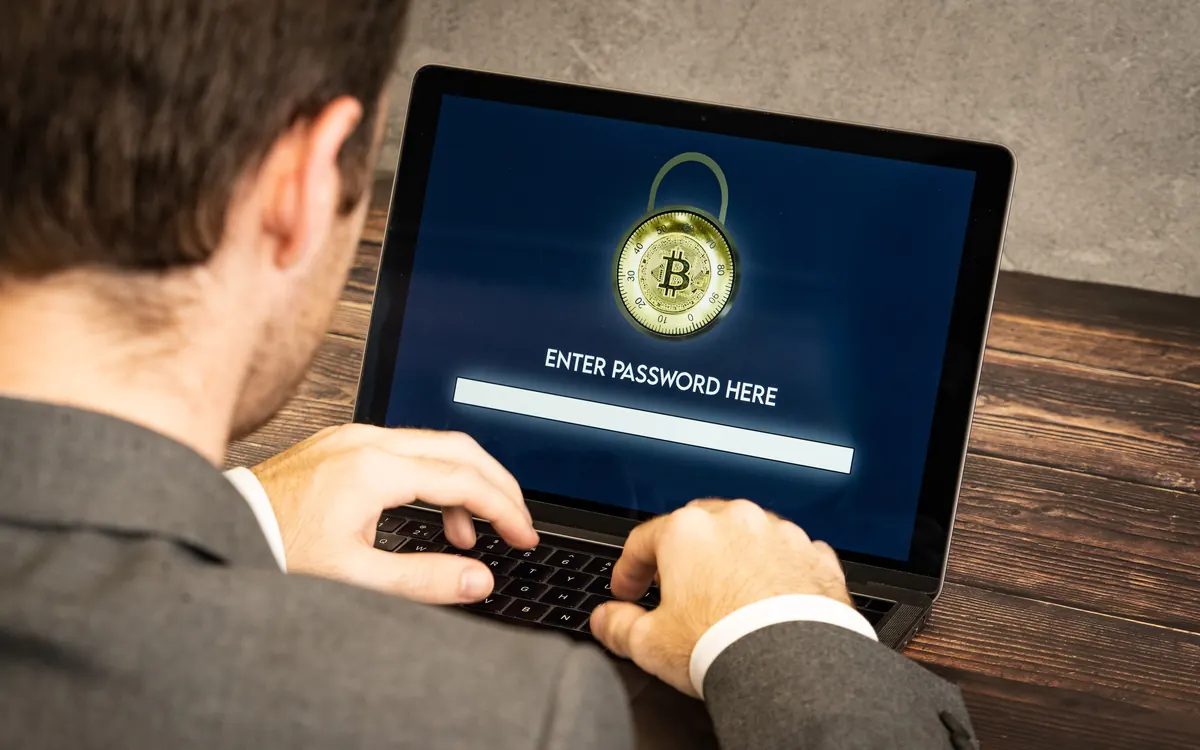
Cryptocurrency security firm Hacken says hacks and related incidents cost the industry about $1.18 billion across 107 cases in the third quarter of 2026 — the worst quarter since Q1 2025, when the Bybit theft helped push totals to $1.6 billion.
Where the money went
Cointelegraph summarised Hacken's Q3 report as follows:
- About 77% of losses (~$906 million) were tied to compromised suppliers or developer tools, disclosed-but-undeployed fixes, or other components outside security reviews.
- The four largest cases: Bitget ($387 million), Liquid Network ($320 million), Tectonic ($120 million), and a Coldcard firmware issue linked to roughly $115 million in losses.
- Those four made up about 80% of the quarter's dollar losses; 98 incidents were under $10 million each. Median loss: $670,000.
- Smart-contract exploits were the most frequent vector — 71 incidents and $228 million — but supplier and infrastructure failures drove more of the total value.
Recoveries and who paid users
Of the $1.18 billion gross:
- About $387 million (~33%) was returned or reversed — including $272 million recovered after Liquid (about 85% of that theft) and a 114-minute Cronos rollback that undid roughly $111.2 million of Tectonic's $120.4 million impact. Circle and Tether froze about $340,000 tied to Bitget.
- Operators covered another ~$410 million from their own funds (Bitget's user protection fund $387 million; Triple-A, Coinsbuy and TAC about $22 million combined).
- Roughly $384 million (32%) was neither returned nor covered.
What Hacken recommends
Hacken urged teams to harden third-party suppliers, developer tooling and external infrastructure that often sit outside audits — and to extend reviews to oracles, bridges, custody systems and signing authorities.
Hardware custody does not eliminate every risk: supply-chain implants and firmware issues still appear in quarterly tallies. Our explainer What is a hardware wallet? covers how cold storage helps — and where it does not.
This article is for information only and is not financial advice. Crypto assets are volatile; do your own research. Read our disclaimer
More from Security
View all →Read next

Goldman, Wells Fargo, Morgan Stanley bet on tokenization
Q3 earnings calls showed how Goldman Sachs, Wells Fargo and Morgan Stanley each expect to profit from tokenization: more trading, faster payments, more advice.

Ether margin longs on Bitfinex climb as prices stall
Bitfinex traders hold about 367,500 ETH in margin longs against under 9,000 ETH in shorts, while bitcoin and ether trade flat into a quiet Saturday evening.

Fidelity's Solana health check: reliable, but too concentrated
Fidelity's FCAT says Solana has gone two years without a major outage, yet 18 validators, one host and two EU cities hold an outsized share of its stake.