Balaji's Network School takes over Farcaster, starts with bans
Network School bought Farcaster from Neynar, renamed it Network State Protocol and put some users in read-only mode for old posts under a new code of conduct.
CryptoGroup Newsroom · · 2 min read
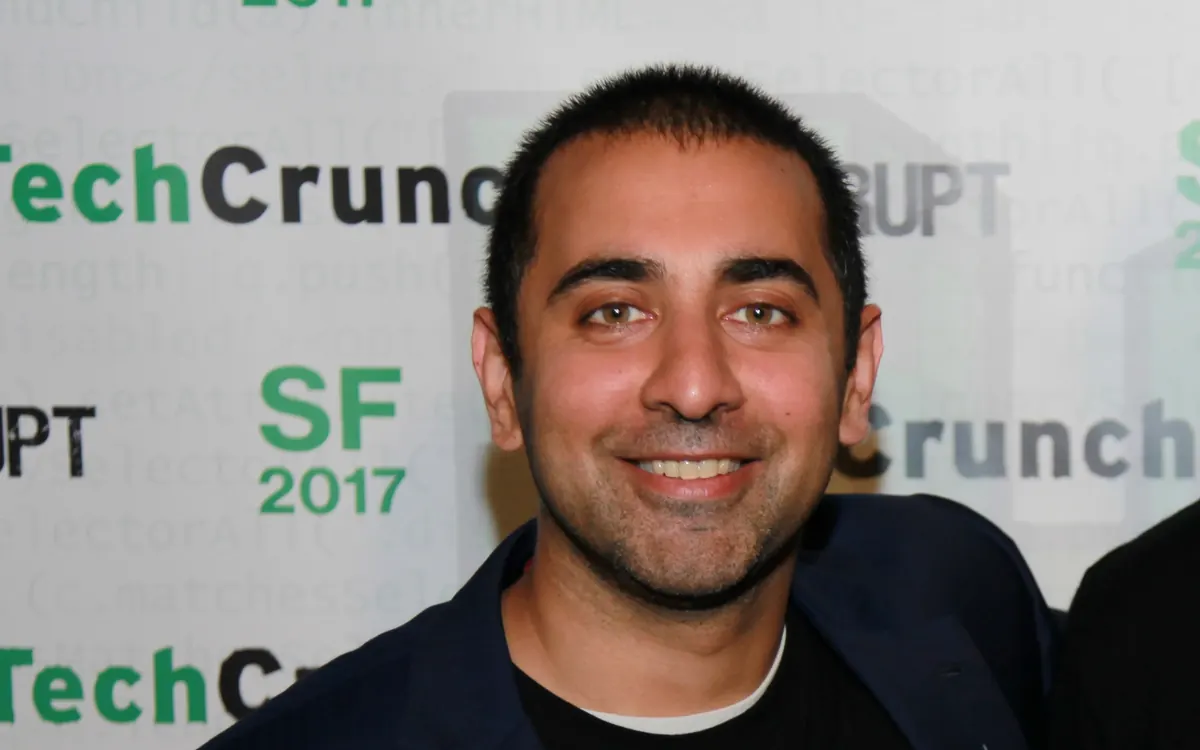
Balaji Srinivasan's Network School has bought the decentralized social network Farcaster from Neynar and renamed it Network State Protocol — and its first visible move was a wave of account restrictions, Cointelegraph and The Block reported. On Thursday, the day of the announcement, several users said on X that their accounts had been switched to read-only because of earlier posts that break the new rules.
The new rulebook
Srinivasan, a former Coinbase CTO, says he wants the reference app to become "the Singapore of social media", a community of techno-optimists living under a shared code of conduct. Step one, in his words, is "law and order."
- Users opt into a "social smart contract" that lets the core team set the app's rules.
- A "Network Code" sorts violations into digital felonies, misdemeanours and infractions, with penalties from warnings to suspensions and bans. It applies to old posts as well as new ones.
- Humans and AI reviewed millions of posts to pick accounts for restriction; an appeals process exists.
- An open-weight AI model will enforce the rules with some manual decisions, and the team eventually wants to warn people before they post something that breaks them.
- The code also promises unspecified rewards for constructive behaviour such as teaching, sharing projects and disagreeing politely.
Backlash
Kunal Gandhi, formerly India ecosystem lead at Eigen Labs, said punishing people "from the get-go for past posts" goes against the spirit of decentralized social media.
What stays decentralized
Farcaster's underlying protocol, whose account registry runs on Ethereum's Optimism layer-2 network, remains open. Anyone who refuses the contract gets read-only access to the main app but keeps their keys, funds, followers and post history and can move to another client. Srinivasan calls this freedom to join, leave or build rival clients "decentralized democracy." For background on how such apps sit on top of Ethereum, see What is Ethereum? and our DeFi explainer.
Context
This is Farcaster's second change of ownership this year; co-founder Dan Romero said it had 250,000 monthly active users in December 2025. Network School wants the online community to grow into meetups and eventually startup cities. Earlier, Malaysian authorities revoked its Forest City business licence, and Srinivasan later announced a deal to open a campus in Kazakhstan.
This article is for information only and is not financial advice. Crypto assets are volatile; do your own research. Read our disclaimer
More from Ethereum
View all →Market update
Ether margin longs on Bitfinex climb as prices stall
Read next

Goldman, Wells Fargo, Morgan Stanley bet on tokenization
Q3 earnings calls showed how Goldman Sachs, Wells Fargo and Morgan Stanley each expect to profit from tokenization: more trading, faster payments, more advice.

Fidelity's Solana health check: reliable, but too concentrated
Fidelity's FCAT says Solana has gone two years without a major outage, yet 18 validators, one host and two EU cities hold an outsized share of its stake.
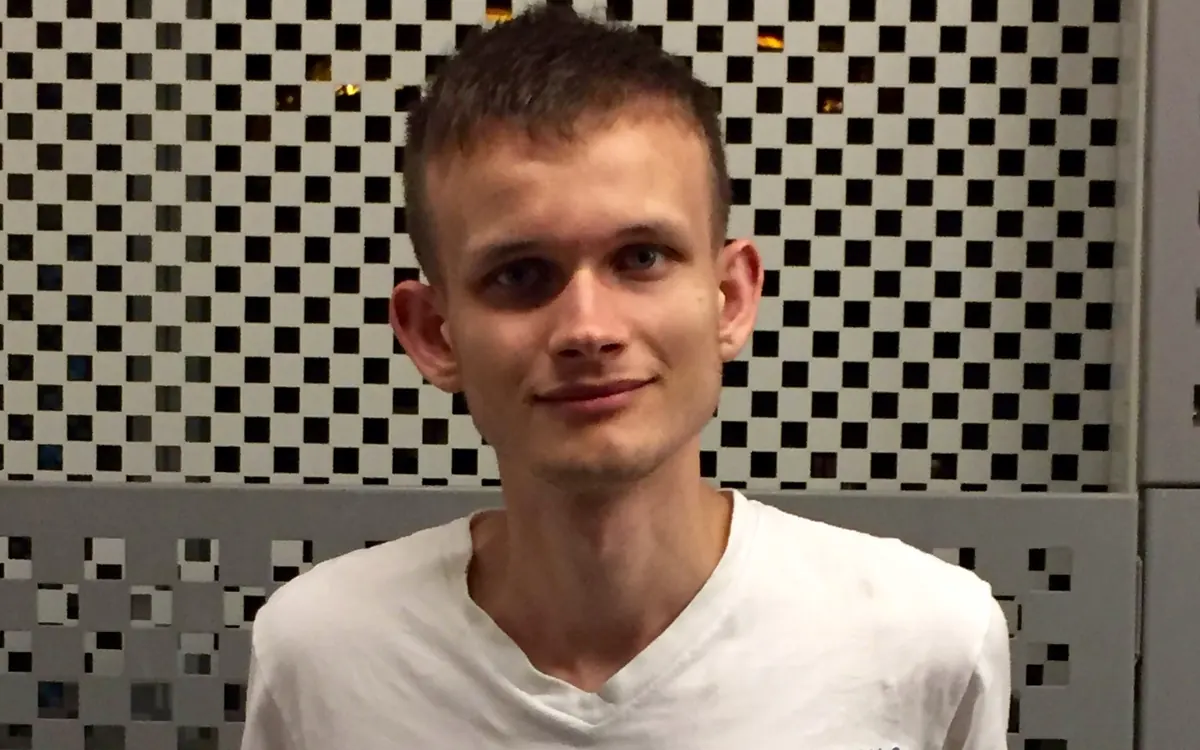
Vitalik: bitcoin mining runs on power, AI on hardware
Vitalik Buterin's cost tables show bitcoin mining split about 50/50 between hardware and electricity, while AI inference spends roughly 76% on hardware.