Keystone to destroy 18,835 wallets after auth key theft
Hackers stole the key Keystone uses to prove its wallets are genuine. It will scrap 18,835 devices and pause shipping. Who must re-verify and what was leaked.
CryptoGroup Newsroom · · 3 min read
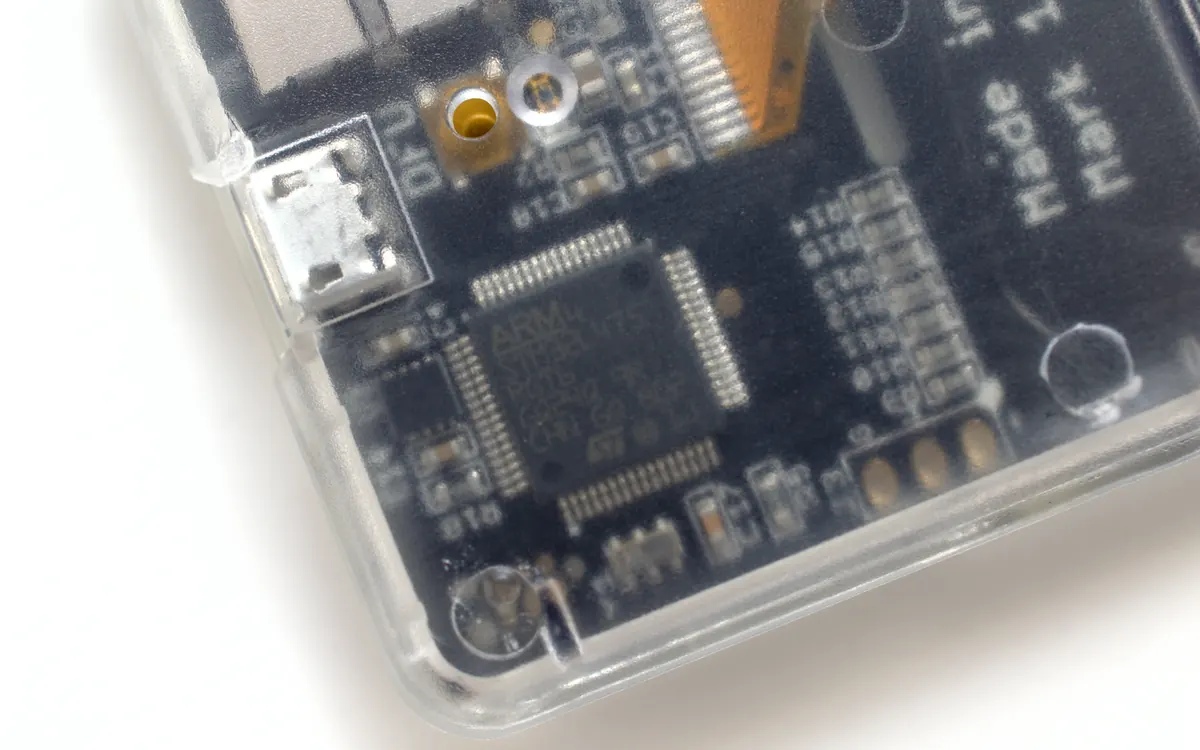
Hardware wallet maker Keystone says the attackers behind last week's website breach also stole the key it uses to prove its devices are genuine, and it will destroy 18,835 wallets in its inventory as a result. The company set out the details in a security update on Oct. 26, as reported by The Defiant and crypto.news.
What the attackers got
- Entry point: on Oct. 20 the attackers got into Keystone's official website through a vulnerability in a third-party data monitoring tool.
- Customer data: 25,964 purchase records with names, contact details, shipping addresses and order details from 2024 to 2026, plus 12,873 unpaid checkout records. Keystone found 51,083 purchase records in its Shopify store in total, but the personal data in 25,119 of them had already been erased.
- The WebAuth key: a device-authentication key written into every Keystone wallet at the factory and checked when buyers verify their device on Keystone's website.
- Not taken, per Keystone: recovery phrases, private keys, wallet credentials, payment details and government ID numbers.
Why a stolen check key matters
The WebAuth key plays no part in creating the seed phrase, deriving keys or signing transactions. But whoever holds it could build counterfeit wallets that pass Keystone's official authenticity check, the step meant to catch fakes. Because the key cannot be erased or rewritten once a device is made, Keystone says it will:
- destroy all 18,835 stocked devices carrying the old key;
- move production to a new key and pause shipping of unfulfilled website orders, selling on preorder until new units are ready;
- cut how long it keeps customer data from 180 to 90 days, a point buyers had questioned after older orders turned up in the leak.
What owners should do
Wallets delivered before Oct. 20 that pass authentication remain safe to use, Keystone says, and holders do not need to move funds. If you received a device after Oct. 20 that uses the old key, contact Keystone support for additional checks before loading funds, even if the website check passes. Keystone is not recalling devices: treat anyone who asks you to send a wallet back as a scammer. Our step-by-step guide on how to check if a hardware wallet is genuine explains the other signs of a tampered device, and never share your seed phrase with anyone.
Frequently asked questions
Were Keystone seed phrases or private keys stolen?
No, according to Keystone. The attackers took customer order data and the WebAuth device-authentication key, which is not used to create seed phrases, derive keys or sign transactions.
Is my Keystone wallet safe to use?
Keystone says devices delivered before Oct. 20 that pass authentication are safe. Devices with the old key received after Oct. 20 should get extra verification from Keystone support before use.
Is Keystone recalling wallets?
No. Keystone says it will not ask customers to return devices, and any 'recall' request should be treated as a scam.
This article is for information only and is not financial advice. Crypto assets are volatile; do your own research. Read our disclaimer
More from Security
View all →Read next
Bitmine spends more on buybacks than ETH as 5% goal nears
Bitmine bought back $45.9M of stock last week but only $24.5M of ether (10,452 ETH). It now holds 6.05M ETH, 4.95% of supply. Why treasuries are turning inward.

S&P Global closes OpenZeppelin deal, bets on code risk
S&P Global has completed its purchase of smart-contract security firm OpenZeppelin. Terms are undisclosed; OpenZeppelin Contracts stay free and open source.

What is a bitcoin treasury company? mNAV, risks, examples
What a bitcoin treasury company is, how firms like Strategy and Strive fund bitcoin buys, what mNAV means, and the risks versus buying BTC or a spot ETF.