How to buy bitcoin: a safe, step-by-step guide for beginners
Where to buy bitcoin, what you need to sign up, how fees work and how to move your coins into a wallet you control — explained without jargon.
CryptoGroup Newsroom · · Updated · 3 min read
On this page
Buying bitcoin is easier than it used to be, but the choices you make in the first hour — where you buy, how you pay and where you keep the coins — matter far more than the exact price you pay. This guide walks through the process step by step.
Decide how much you can afford to lose
Bitcoin's price can rise or fall by 10–20% in a week. Only invest money you could lose without hurting your finances, and treat any amount as long-term and high-risk. Nothing here is financial advice.
Choose where to buy
| Option | Good for | Watch out for |
|---|---|---|
| Regulated exchange (e.g. Coinbase, Kraken, Bitstamp, Binance where licensed) | Lowest fees, most coins | Account verification, keep only what you trade |
| Broker / banking app (e.g. Revolut, PayPal in some countries, Interactive Brokers) | Simplicity | Higher spreads; some don't let you withdraw coins |
| Spot bitcoin ETF via a stockbroker | Exposure in a normal brokerage or pension account | You own fund shares, not bitcoin |
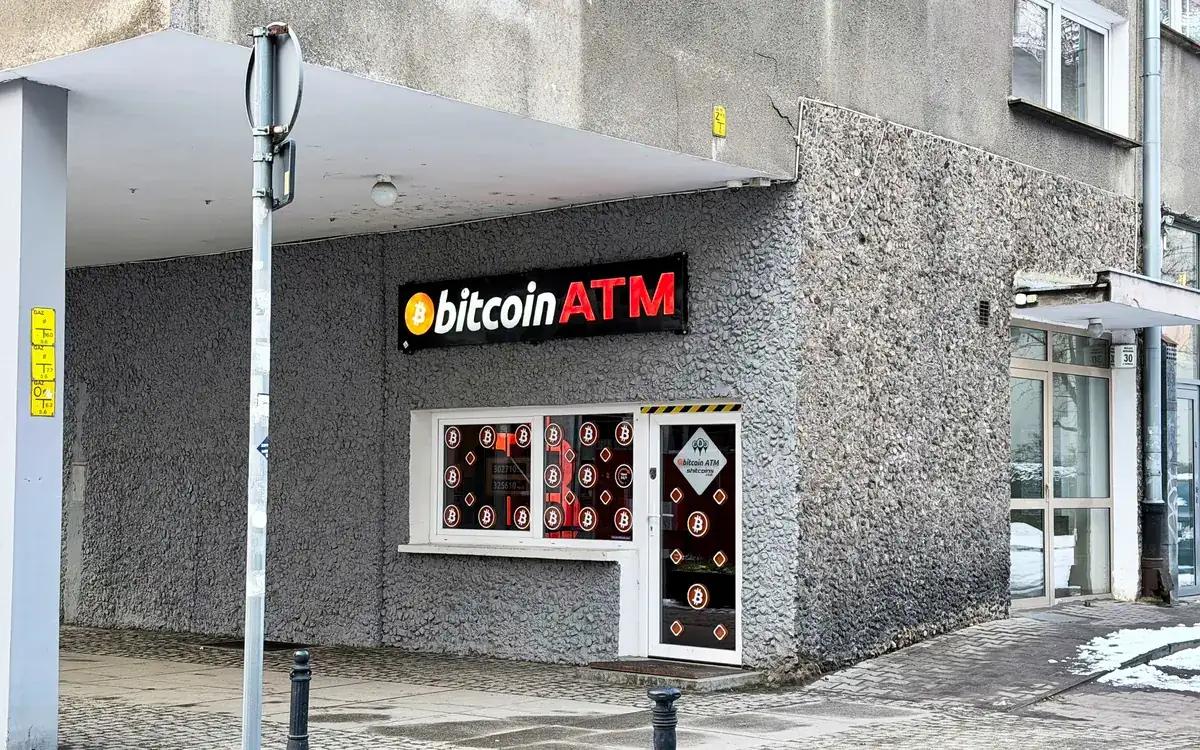
| Bitcoin ATM | Cash purchases | Very high fees (often 7–15%) |
Check that the platform is licensed in your country. Regulators keep public registers — for example, South Korea recently blocked the websites of 27 unregistered exchanges. Avoid platforms you found through social-media ads or "investment managers" who contact you first.
For a deeper look at the difference between custodial platforms and decentralized exchanges that you use from your own wallet, read our CEX vs DEX guide.
Open and verify an account
Expect to provide an email, phone number, ID document and a selfie. This "know your customer" (KYC) check is required by law in most countries. Turn on two-factor authentication with an authenticator app or security key — not SMS if you can avoid it.
Fund the account and place an order
- Bank transfer is usually cheapest; cards are faster but cost more.
- A market order buys immediately at the current price; a limit order waits for the price you set.
- You don't need a whole bitcoin: one BTC is 100 million satoshis, and most platforms let you buy for as little as $1–10.
- Compare the total cost (fee + spread), not just the advertised fee.
Decide where to keep it
Coins on an exchange are held by the exchange. That is convenient, but if it is hacked or fails, your funds are at risk. For larger amounts consider withdrawing to your own wallet:
- A mobile wallet for small amounts you spend.
- A hardware wallet bought directly from the manufacturer for savings. See how to store crypto safely.
Always send a small test transaction first and double-check the address.
Want to spend small amounts quickly and cheaply? Many wallets also support bitcoin's Lightning Network.
Keep records
Many countries tax crypto gains. Export your transaction history and keep it with your tax records.
Common scams to avoid
- Anyone promising guaranteed returns.
- "Support agents" who ask for your recovery phrase — no legitimate company ever will.
- Fake apps and look-alike websites: type the address yourself or use a bookmark.
This article is for information only and is not financial advice. Crypto assets are volatile; do your own research. Read our disclaimer
More from Bitcoin
View all →Read next

Goldman, Wells Fargo, Morgan Stanley bet on tokenization
Q3 earnings calls showed how Goldman Sachs, Wells Fargo and Morgan Stanley each expect to profit from tokenization: more trading, faster payments, more advice.

Ether margin longs on Bitfinex climb as prices stall
Bitfinex traders hold about 367,500 ETH in margin longs against under 9,000 ETH in shorts, while bitcoin and ether trade flat into a quiet Saturday evening.

Fidelity's Solana health check: reliable, but too concentrated
Fidelity's FCAT says Solana has gone two years without a major outage, yet 18 validators, one host and two EU cities hold an outsized share of its stake.