Quantum Alliance forms as 6.4M bitcoin have exposed keys
Nine crypto firms formed a Quantum Alliance to set shared post-quantum standards, estimating 6.4M BTC have exposed public keys. Experts split on timing.
CryptoGroup Newsroom · · 3 min read
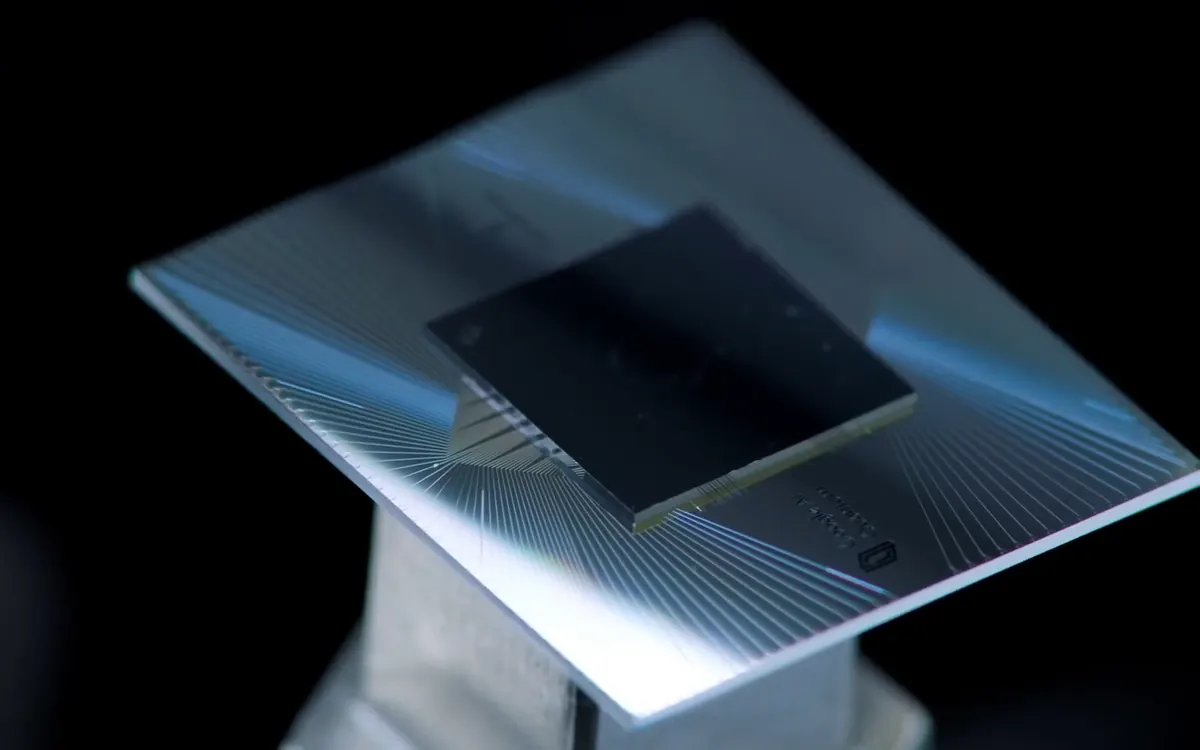
Nine crypto companies have launched a Quantum Alliance to write common security standards for Bitcoin, Ethereum and other blockchains, as the group estimates that about 6.4 million BTC — 30.2% of the supply — sit at addresses whose public keys are already exposed, CoinDesk reported on Friday. None of those coins can be stolen today: no existing quantum computer is powerful enough.
What the alliance plans
- Members named so far include security auditor Hacken, Charles Hoskinson's Midnight Foundation, quantum-resistant layer-1 Quantus and Postquant Labs.
- The group says it will publish shared security tests and migration guidance for moving existing networks to quantum-resistant signatures.
- The exposed-key estimate includes roughly 1.1 million BTC attributed to Satoshi Nakamoto, coins that have not moved for more than a decade.
The worry is simple to state: a sufficiently large quantum computer could, in theory, derive a private key from a visible public key and sign away the funds.
No agreement on the date
Richard Carback, CTO of Postquant Labs, told CoinDesk he sees 2028 as a realistic date for a machine able to break today's cryptography. Bryn Bennett, chief revenue officer at The Vault, was more cautious: nobody knows the date, he said, and the real question for custodians is whether they can migrate in time if it arrives early. Quantus CEO Christopher Smith warned that whoever builds the first cryptographically relevant quantum computer could take dormant coins, possibly with a government's blessing.
The debate sharpened this week after Google Quantum AI published a paper in Science describing a roughly 40-fold cut in one class of errors on its Willow chip, Decrypt reported. Breaking real-world keys still needs far cleaner and far larger machines than anything shown so far.
Freeze, move or leave alone?
Proposals to freeze vulnerable coins — floated in different forms by Binance founder Changpeng Zhao and developer Jameson Lopp — clash with Bitcoin's promise that nobody can confiscate funds. Carback prefers moving such coins or placing them in a trust that owners could claim; Bennett said a freeze would swap quantum risk for a precedent on property rights. Any change means replacing Bitcoin's signature scheme, which needs broad agreement among developers, miners, wallets and exchanges, and larger signatures could raise fees.
Coinbase has already argued that the migration has to start now, and Starknet has opened a vote on becoming a post-quantum L1. For everyday safety basics, see how to store crypto safely.
Frequently asked questions
Can a quantum computer steal bitcoin today?
No. The Quantum Alliance and the researchers quoted by CoinDesk agree that no existing machine is powerful enough to derive private keys from Bitcoin public keys.
Which coins are considered exposed?
Coins held at addresses whose public key is already visible on the blockchain, for example very old outputs and addresses that have signed transactions before. The alliance puts the total at about 6.4 million BTC.
Is Bitcoin changing its cryptography?
Not yet. Moving to quantum-resistant signatures would need agreement across developers, miners, wallets, exchanges and users, and no such upgrade has been adopted.
This article is for information only and is not financial advice. Crypto assets are volatile; do your own research. Read our disclaimer
More from Bitcoin
View all →Read next

Goldman, Wells Fargo, Morgan Stanley bet on tokenization
Q3 earnings calls showed how Goldman Sachs, Wells Fargo and Morgan Stanley each expect to profit from tokenization: more trading, faster payments, more advice.

Ether margin longs on Bitfinex climb as prices stall
Bitfinex traders hold about 367,500 ETH in margin longs against under 9,000 ETH in shorts, while bitcoin and ether trade flat into a quiet Saturday evening.

Fidelity's Solana health check: reliable, but too concentrated
Fidelity's FCAT says Solana has gone two years without a major outage, yet 18 validators, one host and two EU cities hold an outsized share of its stake.