Bitcoin hashrate rebounds 45% to 1,050 EH/s as miners return
CryptoQuant's Ki Young Ju calls the hashrate recovery from 726 EH/s in July an 'indirect bullish signal' from institution-backed public miners. Here's our take.
CryptoGroup Newsroom · · 2 min read
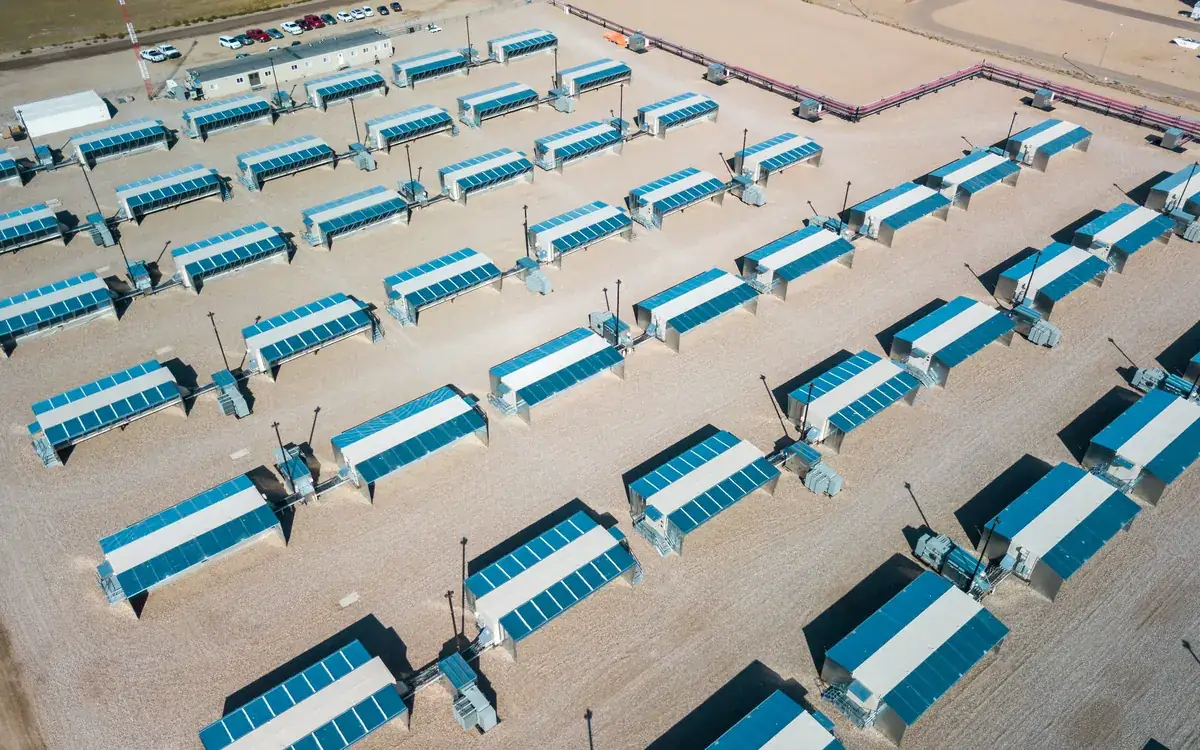
A rising hashrate tells you miners expect to earn money. It does not tell you where the price goes next.
On this page
Bitcoin's hashrate has climbed about 45% from its summer low, from roughly 726 exahashes per second (EH/s) in July to about 1,050 EH/s on Wednesday, according to CryptoQuant data reported by Cointelegraph. CryptoQuant founder Ki Young Ju called it an "indirect bullish signal" from institutions, because many public miners are backed by traditional finance.
The numbers
- ~1,050 EH/s now, up from ~726 EH/s in July.
- Still below the 1,305 EH/s peak of October 2025, when bitcoin traded above $111,000; it was near $81,843 at Thursday's US open.
- Nasdaq-listed NIP Group agreed to buy about 4.47 EH/s of already-running machines, taking its three-tranche total to an expected 13.85 EH/s. It currently runs 3.11 EH/s; the largest listed miner, Bitdeer, runs 79.9 EH/s, per Ziven data.
Our take
"Higher hashrate means stronger security," Ju wrote, and that part is solid: more computing power makes a 51% attack far more expensive. Hashrate is the clearest real-world measure of how much is being spent to secure the network.
The "bullish" part needs more care. Machines get switched on when operators expect revenue to beat electricity costs, and capacity is often ordered many months ahead. That makes hashrate a lagging, capital-spending signal rather than a price forecast. The hashrate peak itself came when bitcoin traded above $111,000, and the price is far lower now while hashrate is recovering.
Miner balance sheets also tell a mixed story. NIP Group's stock closed at $6.10 on Wednesday, down 86% over a year, and TeraWulf, Core Scientific, Cipher Mining and IREN each fell about 12% in Wednesday's selloff. Several of those firms now also sell power and data-centre space to AI customers, so their capacity decisions are not purely a bet on bitcoin.
So the fair reading is narrower than "institutions are bullish": well-funded miners are still willing to spend on bitcoin's security. For how that security model compares with Ethereum's, see proof of work vs proof of stake, and for the investment side of the trade, bitcoin ETF vs buying bitcoin.
This article is for information only and is not financial advice. Crypto assets are volatile; do your own research. Read our disclaimer
More from Bitcoin
View all →Read next

Uniswap v4 becomes an aggregator as hooks go live on 3 chains
Uniswap's aggregator hooks now route swaps through Curve, Fluid, PancakeSwap and other venues on Ethereum, Base and Robinhood Chain, with fees feeding UNI burns.

What is a layer 2? Rollups and L2 networks explained
What layer-2 networks like Arbitrum, Base and Starknet are, how optimistic and ZK rollups work, why fees are lower, and the risks to check before you bridge.

Italy busts mafia 'secret bank' that used crypto, seizes €21M
Italian police arrested 30 people over a car-rental firm near Milan that allegedly ran an underground bank for mafia clans, moving money abroad and into crypto.